October 2026, Volume 37, Issue 4

Competitive Authoritarianism in America

  • Steven Levitsky
  • Lucan A. Way
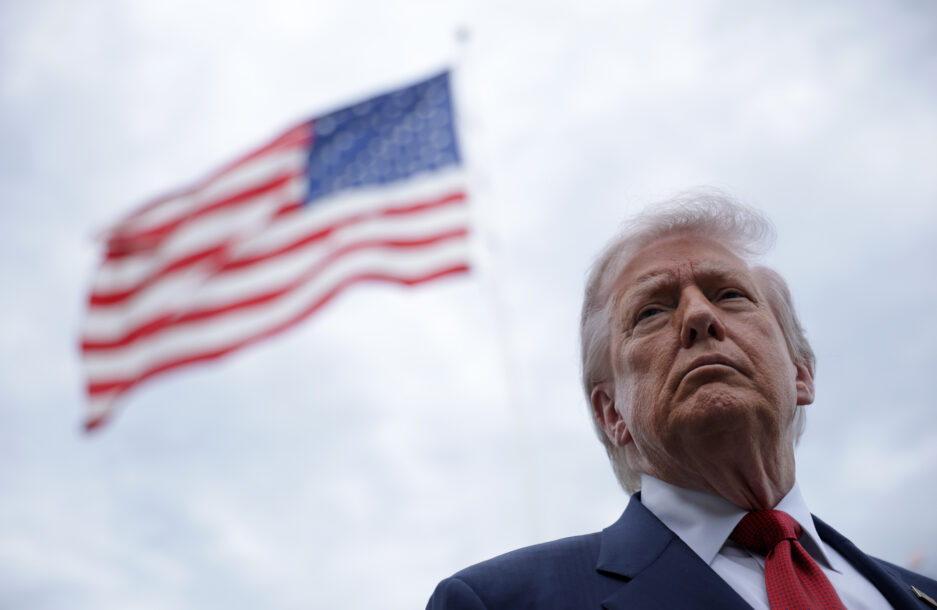
The United States has slid into competitive authoritarianism. The slide has been modest and remains reversible—but it is real. Even after Donald Trump, American democracy will remain fragile.
October 2026, Volume 37, Issue 4

Polarization Is Not the Problem

  • Lilliana Mason
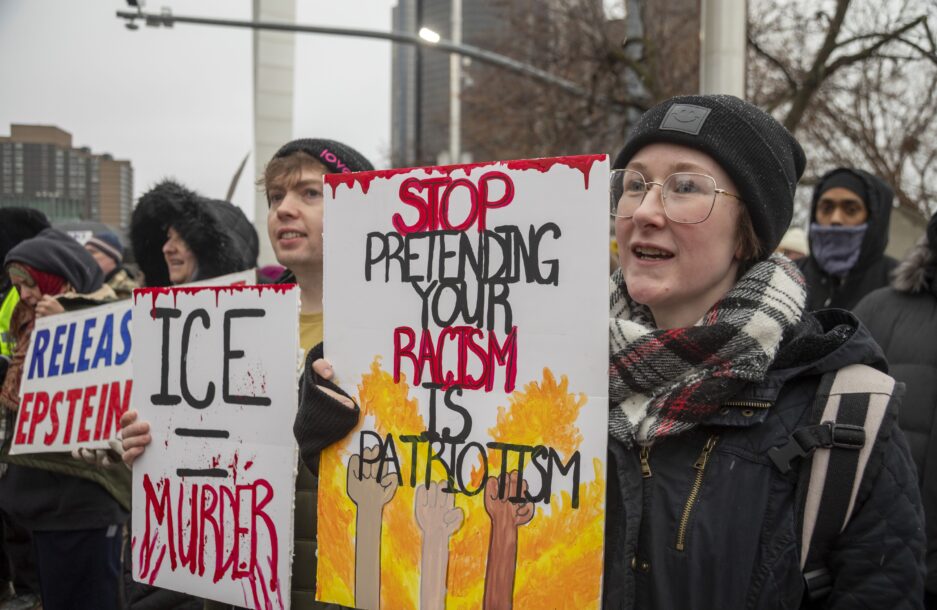
Americans have never been angrier with one another. But polarization is not the disease—it is the response to a revanchist movement seeking to roll back sixty years of social progress.
October 2026, Volume 37, Issue 4

Does Nonviolent Action Still Work?

  • Breza Race Maksimovic
  • Jamila Raqib
Mass movements topple dictators but struggle to secure democracy afterward. The theory of nonviolent struggle is not broken; it is out of date. Regimes have adapted their repression—movements must now adapt their strategies.

More from the Journal


View Archive

Free

October 2026, Volume 37, Issue 4

How to Build the Right Coalition

Opposition parties cannot defeat backsliding incumbents alone, but big united fronts often fail, too. The important choice lies between unity coalitions and quiet ones—and knowing which to choose can make all the difference.

Free

October 2026, Volume 37, Issue 4

How to Protect the Media in Eroding Democracies

Independent journalism is under siege from lawsuits, shutdowns, and digital dominance. Good reporting is no longer enough: The media must win distribution, build solidarity networks, diversify funding, and connect the consequences of democratic erosion to daily life.

Free

October 2026, Volume 37, Issue 4

How Courts Survive Democratic Backsliding

When elected leaders attack the courts, judges rarely prevail on their own. Across 25 cases of backsliding, judicial independence survived only where legislators, protesters, and international institutions stood ready to defend it.

Free

October 2026, Volume 37, Issue 4

How Protest Can Halt Backsliding

Opposition movements have begun to question the power of taking to the street. But protest matters in backsliding democracies when it builds opposition strength—politicizing new voters, emboldening institutions, and fracturing the ruling coalition.

Latest Online Exclusives

What “Leaderless” Actually Means | Kinuthia Ndung’u and Wanjira Wanjiru
Gen Z protests are about more than a generation. Uprisings like the one we helped lead in Kenya are rewriting how movements organize, and how states fight back.

Zambia’s Authoritarian Turn | Wiriranai Brilliant Masara
Hakainde Hichilema came to power five years ago promising to restore Zambia’s democracy. But his government now commits the very abuses he once railed against.

Why Germany’s Mainstream Parties Have Lost Their Way| Justin Daniels and Luca Siepmann
The country’s far right is connecting with voters where they live. Germany’s mainstream parties need to borrow from that playbook and become a presence in the communities they hope to lead.

News & Updates


Is Germany Falling for the Far Right?

September 2026

For the first time since the party’s founding in 2013, the “firewall” that has kept the far right out of German government is trembling. Can it hold? And what does the AfD’s breakthrough reveal about the health of democracy across Europe?


View More

Most Read

Free

What Putin Fears Most

Forget his excuses. Russia’s autocrat doesn’t worry about NATO. What terrifies him is the prospect of a flourishing Ukrainian democracy.

On Democratic Backsliding

Old-fashioned military coups and blatant election-day fraud are becoming mercifully rarer these days, but other, subtler forms of democratic regression are a growing problem that demands more attention.

Free

Who Decides What Is Democratic?

The “crisis” of democracy is a crisis of representation. New parties, some of which are populist in troublingly illiberal ways, are arising from this moment. The danger that they pose is not that they are antidemocratic, but that they are…

Free

How AI Threatens Democracy

Generative AI can flood the media, internet, and even personal correspondence, sowing confusion for voters and government officials alike. If we fail to act, mounting mistrust will polarize our societies and tear at our institutions.

Free

The Rise of Political Violence in the United States

In a deeply polarized United States, ordinary people now consume and espouse once-radical ideas and are primed to commit violence.