
Read the full essay here.
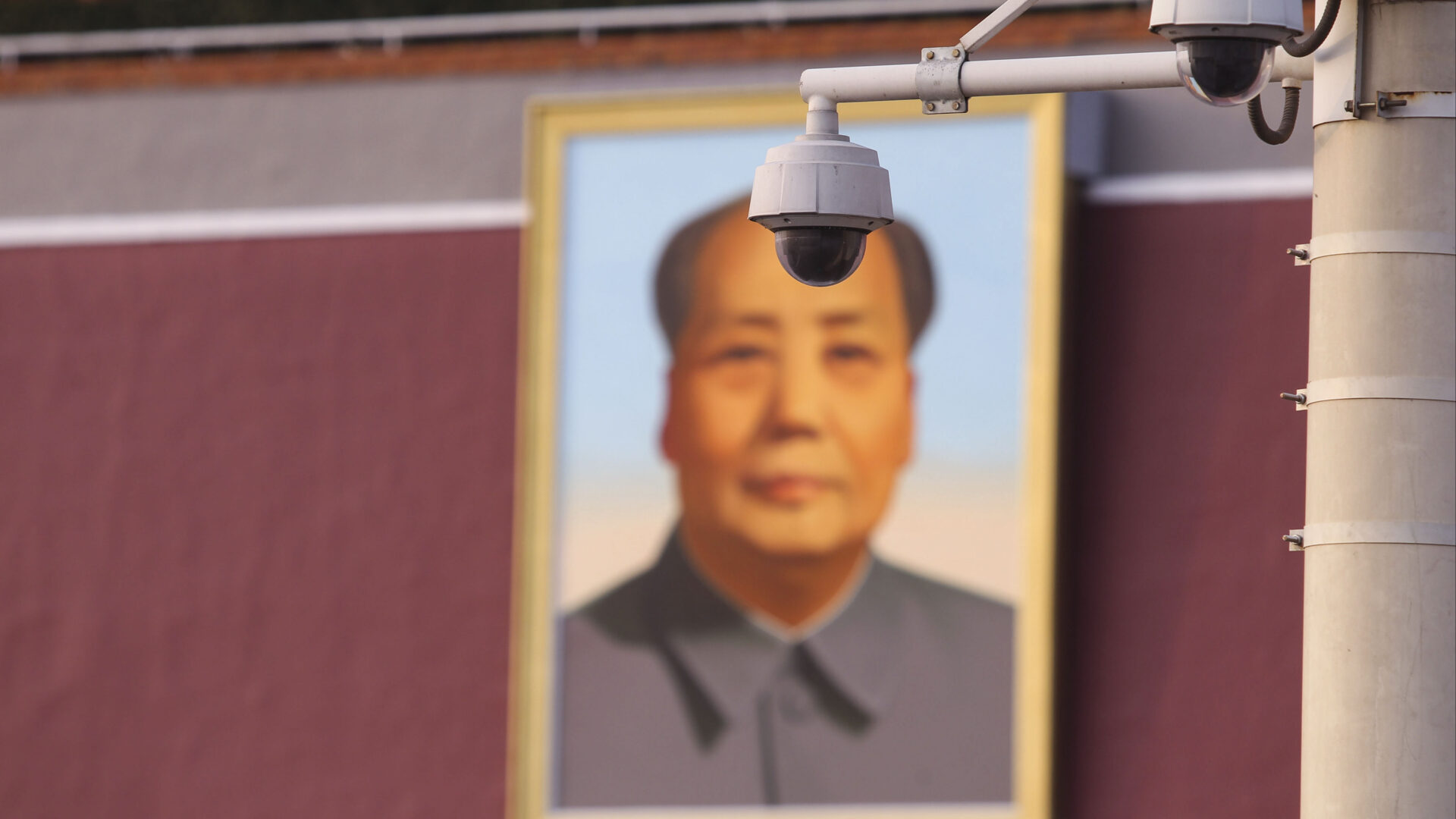
This essay argues that the effectiveness of China’s online censorship springs not from the party-state’s bureaucratic capacity but from its ability to coopt market forces. What began as the rumored “fifty-cent army” of idle posters has grown into a profit-making industry worth hundreds of millions of dollars a year, as Chinese Communist Party committees and government agencies outsource digital surveillance and opinion management to private firms. These companies detect “sensitive” words, flood platforms with propaganda, and suppress troublesome posts with a technical precision the state lacks on its own—letting some discussion continue while stopping the rest, and heading off “online mass incidents” before they spill into the streets. The arrangement, the author concludes, does not bode well for dissent: Surveillance is becoming more precise and preemptive, and so long as businesses find it profitable to collaborate, society will struggle to find a counterweight to market-enhanced digital repression.
Image Credit: Simon Song/South China Morning Post via Getty Images