
Read the full essay here.
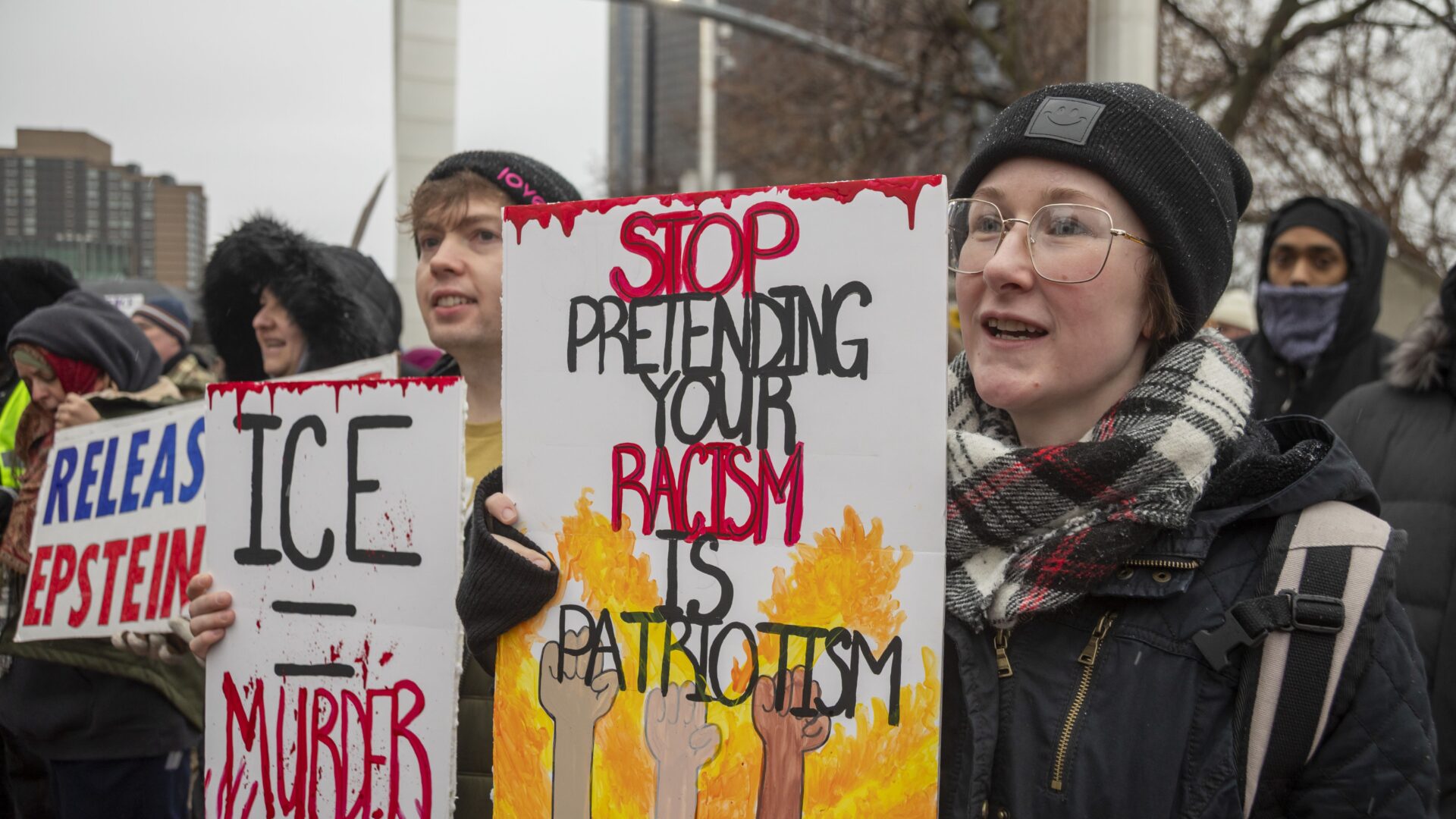
Partisan polarization is not the greatest threat to U.S. democracy, but a symptom of a deeper struggle over who belongs and deserves equal rights. Rapid gains by racial minorities, women, and LGBTQ citizens have produced an ethnonationalist backlash whose adherents now wield disproportionate power through the Republican Party. This conflict has intensified partisan animosity and moral disengagement, but a “both sides” diagnosis obscures the asymmetry between a faction seeking to reverse social progress and those resisting it. Polarization is therefore less the disease than democracy’s immune response to an unpopular, antidemocratic movement. Suppressing that response in the name of civility would only strengthen the movement and imperil pluralistic self-government. The United States can still become its most inclusive democracy, but only if leaders defend equal rights and voters hold accountable those who will not.
Image Credit: Jim West/UCG/Universal Images Group via Getty Images