
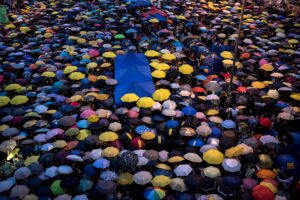
How Repression (and Protest) Gets Repeated
We can learn a lot about the crackdown in Hong Kong if we compare it to Thailand—and vice versa. Autocrats and activists are learning from each other in real time.
278 Results
We can learn a lot about the crackdown in Hong Kong if we compare it to Thailand—and vice versa. Autocrats and activists are learning from each other in real time.
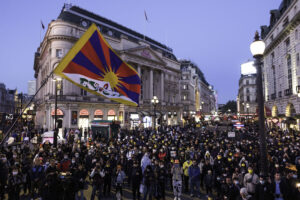
The CCP is engaged in a sprawling campaign to undermine democracy. Governments too often can be lumbering or weak in response. Look to civil society for the creativity and skill to keep the CCP on its heels.

The country’s military brass has a larger role governing Mexico than at any time in the past eighty years. It’s creating a dangerous dependency that won’t be easy to break. Can the generals be reined in?

For years, they were a fringe vote. Now they are broadening their agenda, tapping into voter frustration, and getting Germans to favor them once again.

Almost no one thought that an underdog political reformer could defeat Guatemala’s corrupt political machine, but Bernardo Arévalo did just that. Now comes the hard part.
Reports on elections in Botswana, Bulgaria, Georgia, Ghana, Lithuania, Mauritius, Moldova, Mozambique, Namibia, Palau, Romania, Senegal, Sri Lanka, Uruguay, and Uzbekistan.
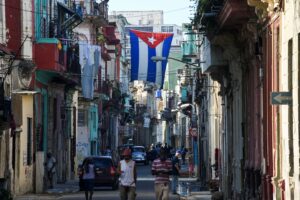
Cuba’s dictatorship has kept student movements under its thumb for decades. But the regime’s repressive tactics have inadvertently breathed new life into a new generation of student activists. These young people are willing to fight for the island’s freedom.

It has long been a stalwart defender of democracy. But in this election season, the Czech Republic’s growing polarization is bringing illiberal political parties to the fore.

The election of Rodrigo Paz Pereira as Bolivia’s new president signals the end of the MAS era. But it is more than an end to Evo Morales’s leftist party. It showcases how Indigenous political power has transformed the country’s political landscape.

Faith in democracy is fading, as citizens increasingly find self-rule slow, tired, and opaque. It’s time for democratic institutions to lean into the tech revolution. Digital governance isn’t a gadget; it’s democracy’s lifeline.

Last month Rio’s police conducted the deadliest police operation in Brazil’s history, killing 117 people. It is one episode in a long history of state violence. Not only are such iron-fisted methods ineffective, they pose a danger for democracy itself.
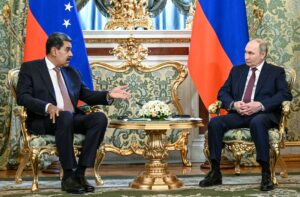
Nicolás Maduro’s regime has long relied on support from China, Cuba, Russia, and other authoritarians to stay afloat. But now that the United States is stepping up the pressure, will his fellow autocrats leave him high and dry?
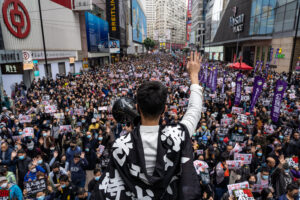
What are the true lessons from Tiananmen Square? Why does nonviolent resistance offer the best chance of challenging the CCP? Hu Ping, a leading Chinese dissident, reflects on the mistakes that were made and what it will take to succeed next time.

Authoritarians are developing new tools to project their malign influence across the globe. The world of sports can teach us a lot about the games they play.

Moscow and China pose a great danger to the democratic world. But they pose threats that need to be managed, not won. Every great foreign-policy battle doesn’t end with a decisive victory.

Aspiring authoritarians share some common tactics for trying to dismantle a democracy. But recent cases also reveal lessons on how to defend against these attacks and slow the threat of democratic backsliding.
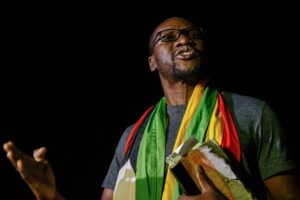
Evan Mawarire never thought of himself as a revolutionary. In a gripping new memoir, he tells the story of how he went from a humble clergyman to the leader of a movement that helped the Zimbabwean people find their voice.