

Cameroon’s Election Casts a Long Shadow
Cameroonians just reelected the 92-year-old Paul Biya in an election that voters rightly view with suspicion. The tensions under the surface don’t bode well for the country or its people.
2855 Results
Cameroonians just reelected the 92-year-old Paul Biya in an election that voters rightly view with suspicion. The tensions under the surface don’t bode well for the country or its people.
Steven Radelet will discuss his essay "The Rise of the World's Poorest Countries" at NED on Oct. 26 at noon.
October 19, 2015

Gulf monarchies are exerting influence all over the world — in sports, media, entertainment, and politics. Where their human-rights records once drew censure, these oil-rich kingdoms are now being courted and their leaders welcomed in Western halls of power. How have these countries remained bastions of repression while white-washing their reputations? The following Journal of Democracy essays…

If you want to understand why generals support a presidential power grab, then you need to understand the logic that motivates them. Why they leave the barracks — and what we must do to get them to stand down.
Will artificial intelligence end democracy? Plus: Why global democracy is proving to be far more resilient than people think; how African church leaders became unlikely defenders of democracy; and the ways in which vast networks of hidden wealth are eating away at our democratic institutions.

The Russian leader declared war on his country’s independent journalists. But Russian media outsmarted him by taking their operations overseas. They are now reaching more people than ever before.

Faith in democracy is fading, as citizens increasingly find self-rule slow, tired, and opaque. It’s time for democratic institutions to lean into the tech revolution. Digital governance isn’t a gadget; it’s democracy’s lifeline.

Minxin Pei, a leading expert on Chinese authoritarianism, has been writing for the Journal of Democracy since 1992. Over three decades, the Claremont McKenna political scientist has chronicled China’s transformation into a global superpower and descent into neo-Stalinism. The following ten essays comprise some of Pei’s best.

Voters across the world see democracy as unresponsive, out of touch, inept, and even corrupt. Something needs to change, but no one can agree on what. What democracy needs, Joel Day argues in a new Journal of Democracy online exclusive, is a single bold and effective reform plan.

His military didn’t just fail. Ordinary Ukrainians, Russians, and people across the globe are creatively and nonviolently protesting Putin’s war on Ukraine, and they are making a difference.
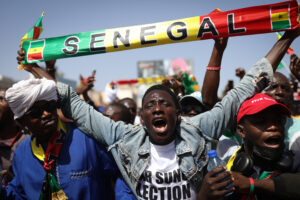
The president wanted to remain in power, but the people’s demands prevailed in the end.

The Journal of Democracy has covered the “Women, Life, Freedom” movement since the protests first erupted. Following is a selection of essays on the protests in Iran and the key role women play in securing democracy and freedom across the globe.
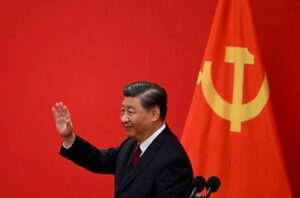
Beijing’s focus has been on strong and steady economic growth for decades. But China’s leader has just put an end to that era. For Xi, it’s only about power—at home and abroad.

Last month Rio’s police conducted the deadliest police operation in Brazil’s history, killing 117 people. It is one episode in a long history of state violence. Not only are such iron-fisted methods ineffective, they pose a danger for democracy itself.

Autocrats rely on propaganda and censorship to manipulate public opinion and maintain control. Journalists, activists, and the public must work together to counter media manipulation and keep press freedom alive.
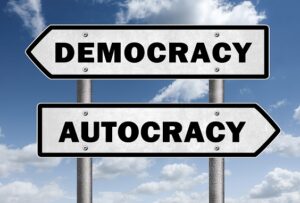
In the new issue of the Journal of Democracy, Kurt Weyland argues that democracy almost always triumphs over populism. In fact, while strongmen may strain democratic institutions, they rarely come out on top.