
What is the nature of Russia’s regime?
Marc Plattner tackles this question in an interview with the Levada Center's Denis Volkov.
April 6, 2015
3266 Results
Marc Plattner tackles this question in an interview with the Levada Center's Denis Volkov.
April 6, 2015
In celebration of the Journal of Democracy‘s 30th anniversary issue, editors and contributors will gather on January 23 for reflections and discussion on authoritarianism and the global state of democracy.
January 23, 2020
William (“Will”) Dobson, most recently chief international editor at NPR, has held senior editorial posts at Foreign Affairs, Foreign Policy, and Slate. He is author of The Dictator’s Learning Curve: Inside the Global Battle for Democracy (2012). Read the full press release here.
January 9, 2020
In a year marked by high political drama, economic unrest, and rising assaults on democracy, we at the Journal of Democracy sought to provide insight and analysis of the forces that imperil freedom. Here are our 10 most-read essays of 2021.
Ten of the former ambassador’s best JoD essays spanning the last thirty years.
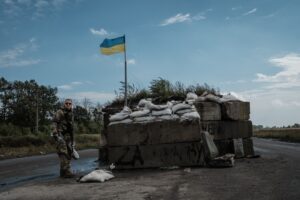
Two years ago, Vladimir Putin launched an unprovoked full-scale invasion of Ukraine. Hundreds of thousands have been wounded or killed in this war of attrition. The following Journal of Democracy essays reveal the impulses that led Putin to launch this brutal campaign and the resilience of those fighting to stop him.
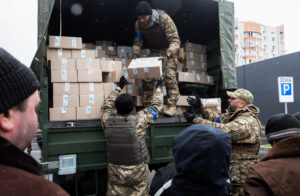
Afghanistan taught us that a firehose of unaccountable aid can destroy a country’s democratic future. In Ukraine, we are making the same mistake all over again.
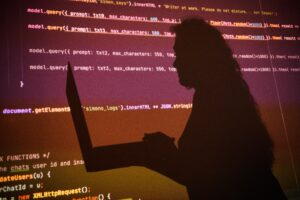
As artificial intelligence continues to advance at breakneck speed and world powers vie against each other in the AI arms race, democracies are searching for ways to control a technology that is transforming our lives while threatening to break our democratic guardrails.
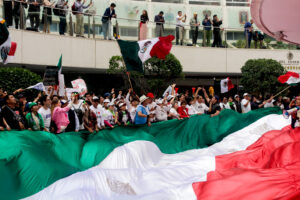
Mexico launched a radical overhaul of its judiciary on June 1 with its first-ever judicial election. The controversial plan risks weakening judicial independence, checks on presidential power, and democracy itself.
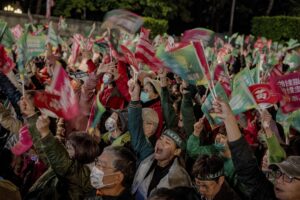
Millions of voters are casting ballots in a string of elections across the globe this year. At the midyear point, how well is democracy holding up?
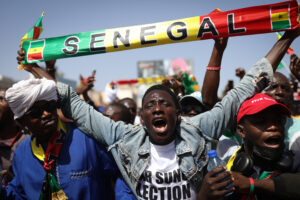
The president wanted to remain in power, but the people’s demands prevailed in the end.
From the early days of this journal to our most recent issue, the JoD editors have compiled ten essays we think you should not miss this summer.
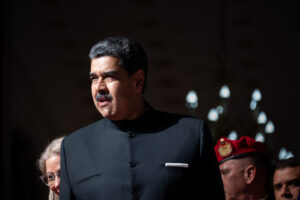
The strongman lost in a landslide, and the Venezuelan people are paying the price.
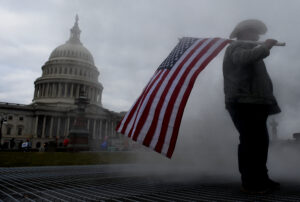
In the face of acute polarization, predatory populists, and dysfunctional parties, what can we do to fix our democracies? In the new issue of the Journal of Democracy, Adam Przeworski, Michael Ignatieff, and Thomas Carothers grapple with these questions and explore possible solutions. Read their essays for free until the end of this month.

Syria now has another chance at democracy. In our April issue, leading scholars of Syria reflect on why there is reason to hope Syria will be free, despite the difficult road ahead.
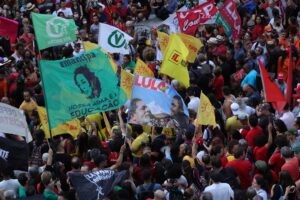
How resilient are democracies, really? While many countries have gone from democratic to authoritarian and back again, few have been able to sustain their recovery. The following essays offer strategies for defending and deepening democracy around the world.
To mark International Women’s Day, the Journal of Democracy looks at how women are shaping the fight for freedom.
In December 2024, South Korean president Yoon Suk Yeol declared martial law, shocking the world and plunging the country into political turmoil. As Joan Cho and Aram Hur argue in the new issue of the Journal of Democracy, the political chaos has revealed deep-seated divisions within South Korean society and politics.

Today, President Nicolás Maduro will take the oath of office, despite a clear defeat in the July election. In the new issue of the Journal of Democracy, Javier Corrales and Dorothy Kronick explain how this came to pass.
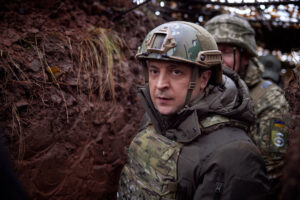
The war in Ukraine, stolen elections, student revolutions, and the climate crisis: The latest issue of the Journal of Democracy offers incisive analysis and illuminating debates on some of today’s biggest challenges.