
New JoD Available Now
Essays on Eygpt and Syria in latest issue of the Journal of Democracy, as well as Francis Fukuyama and Marc F. Plattner on governance and democracy & essays on the “Arab Spring,” Paraguay, Malaysia, & more.
October 15, 2013
3264 Results
Essays on Eygpt and Syria in latest issue of the Journal of Democracy, as well as Francis Fukuyama and Marc F. Plattner on governance and democracy & essays on the “Arab Spring,” Paraguay, Malaysia, & more.
October 15, 2013
In many parts of the world, democracy seems to be under threat. Populism is on the rise, as is public dissatisfaction with such key features of liberal democracy as political parties, representative institutions, and minority rights. Even in the long-established democratic regimes of Western Europe and the United States, attachment to democracy is weakening, particularly…
January 10, 2017
Reports on elections in Comoros, El Salvador, Senegal, and Tuvalu.

While widespread violence or civil war was averted, the consequences for Russia—and Putin—could be grave.
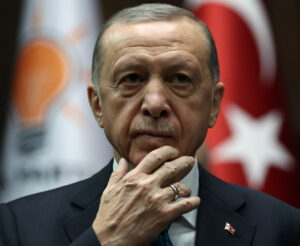
The Turkish president came to power as an antiestablishment everyman. Twenty years later he is an authoritarian leader clinging to power. Will the forces that catapulted him to power be his demise?

The Hungarian leader appears to be working overtime at fraying the country’s ties with even its longstanding friends and allies — and the strain is beginning to show.

The South American country may be on the verge of real change. But it isn’t going to descend into civil-war chaos like Libya. It will be difficult, imperfect, and far better than what Venezuelans have had to endure.

The Cuban regime has created a narrative of victimhood as a smoke screen for its gross incompetence and corruption. I should know. I once believed it, too.

Thailand’s voters—especially its young people—have sent the country’s junta a message: They want change now. But will the military listen?

Ukraine doesn’t just deserve EU membership. Its bid could revive and reunify Europe.
New "Democracy Ideas" interview with Steven Heydemann about his JoD article "Tracking the "Arab Spring": Syria and the Future of Authoritarianism."
October 16, 2013
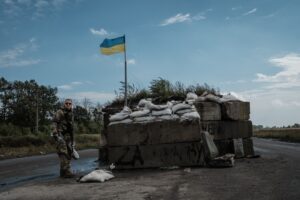
Billions in much-needed American military aid are now headed for Ukraine. The following Journal of Democracy essays demonstrate what it will take to reverse the course of this war of attrition, and why this struggle is a “contest between democracy and dictatorship.”

The 2024 International Day of Democracy is spotlighting the potential of artificial intelligence to improve governance while also recognizing the risks it poses. Over the last year, the Journal of Democracy has published some of the world’s leading AI experts on the promise and peril it presents for democracy.
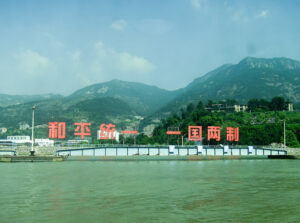
Beijing is bent on curbing democratic freedoms and imposing totalitarianism at home and abroad. The following Journal of Democracy essays dissect China’s influence operations and offer ways for even fragile democracies to combat autocratic influence.
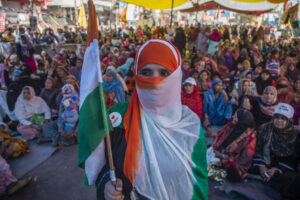
Prime Minister Narendra Modi and his Hindu-nationalist BJP explicitly exclude and routinely attack the country’s largest minority, but the political opposition is silent, too afraid to jeopardize its base of support. These essays explore India’s complex democratic history and its prospects for the future.

Ecuador’s presidents have a history of asking the public to back their initiatives rather than building political coalitions to accomplish their goals. The country’s current president is no different — and it comes at a high cost.
"The Authoritarian Resurgence: China, Russia, Saudi Arabia, and Venezuela" panel discussion featuring JoD authors Javier Corrales, Andrew J. Nathan, Lilia Shevtsova, and Frederic Wehrey. (4/23, 12-2 pm, at NED)
April 14, 2015

Russia’s autocrat may be weakened, but his grip on power is greater than many people realize.

Even as the ruling party has grown more repressive, the people have swarmed the streets in protest — every day. The protesters know the government’s true goal is to appease Russia, and Georgians will never accept it.

The regime tilted the playing field to its advantage, but it didn’t matter. Thailand’s opposition won with creativity, shrewd tactics, and a strategy that united the people.