El Salvador’s Nayib Bukele may be overwhelmingly popular, but he wasn’t going to let his electoral ambitions hinge on being well-liked. Instead, he rigged the playing field before the first vote was cast.
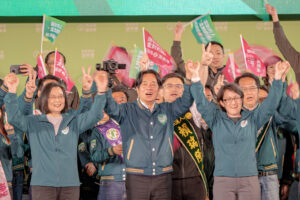
Taiwan’s voters rewarded the ruling party with an unprecedented third consecutive term, despite the mainland’s attempts to intimidate. Expect Beijing to find new ways to threaten the democracy off its coast.
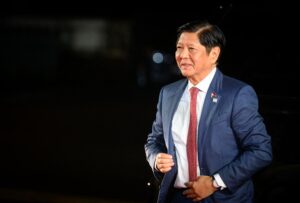
Many feared Ferdinand Marcos Jr.’s election would spell the end of Philippine democracy. But the dictator’s son has surprised nearly everyone, playing the role of a reformer while moving fast to sideline his populist rivals.
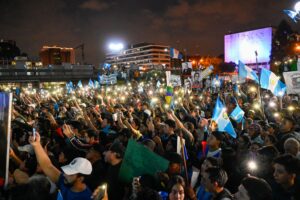
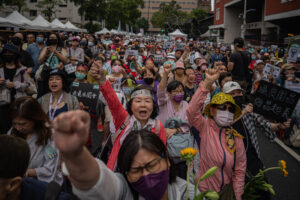
They are organized, nonviolent, and they have come out in great numbers. Guatemalans may also be writing the script on how to defeat democracy’s enemies.
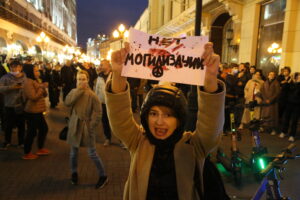
The Kremlin’s order to call up Russians to fight in Ukraine risks massive protests. It’s the riskiest decision of Putin’s rule, and it could lead to his undoing.
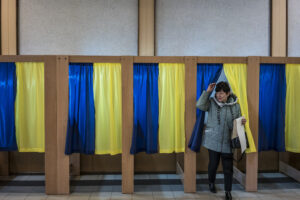
Russia’s brutal ongoing invasion is preventing Ukrainians from holding a presidential election and the campaigning that comes with it. What does that mean for Ukraine’s democracy?
Beijing assaults Taiwan with a nonstop barrage of conspiracy theories and lies to undermine people’s faith in democracy — and China’s efforts are getting more sophisticated. Taiwan must do even more to fight back.
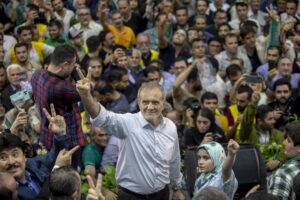
Masoud Pezeshkian won’t be a “reformer” in any genuine sense. Like all Iranian presidents, he has pledged his loyalty to Iran’s supreme leader. What he really offers is a softer version of Iran’s grim repression.
The country’s 2024 presidential contest was a big surprise, as voters elected a new party for the first time. Despite decades of dominant-party rule, a strong democratic culture has long been ingrained in Botswana.
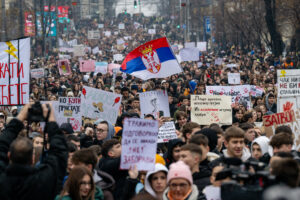
Serbs from all walks of life have had enough with their corrupt, inept, and increasingly authoritarian government. Will Serbia’s president be able to withstand the crisis?
The Chinese Communist Party’s newest AI advance is making repression smarter, cheaper, and more deadly. Even worse, they aim to export it to the world.
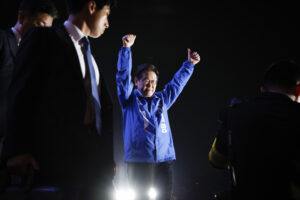
South Koreans have elected Lee Jae-myung president. Will he be a pragmatic democratic reformer? Or will he continue the polarizing political warfare of recent South Korean leaders?
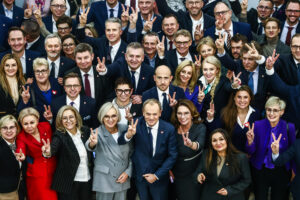
There is no clear roadmap. But Poland may be setting out on its first steps in stamping out populism and holding accountable those responsible for the worst violations of the rule of law.
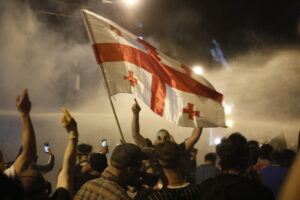
The ruling party is growing more repressive as it draws from Vladimir Putin’s playbook. If the opposition is to push back successfully, they must first unify.
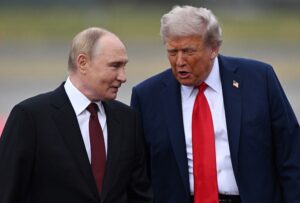
It’s impossible to make peace with someone who doesn’t want it. But if there is any chance of stopping the killing in Ukraine, this is the path forward.
The election of Rodrigo Paz Pereira as Bolivia’s new president signals the end of the MAS era. But it is more than an end to Evo Morales’s leftist party. It showcases how Indigenous political power has transformed the country’s political landscape.
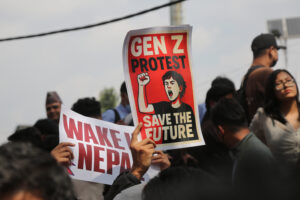
The government of Nepal has become the third South Asian government to collapse amid mass protests in three years. It will take more than elections to restore stability. Young protesters want to see real change.
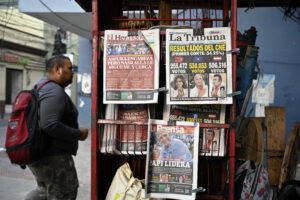
Days after the election and no one knows who the next president will be. Even worse, none of the likely winners offer much hope for the country’s democracy.