
Read the full essay here.
Contemporary repression, this essay contends, is no longer mainly the visible work of censors and jailers; it is networked, algorithmic, and invisible, teaching millions who have never been imprisoned to hesitate and self-censor. Freedom, the author insists, is not an abstraction but a set of concrete capacities—to communicate, move, organize, and connect—that these distributed systems of control quietly strip away before overt repression is ever needed. The response must therefore itself be networked: building resilient, distributed infrastructure that keeps those capacities genuinely accessible. This is not defeatism but a structural argument—leadership and courage still matter yet cannot succeed inside systems an adversary controls. Whoever controls the infrastructure of freedom, the author concludes, will shape the future of democracy.
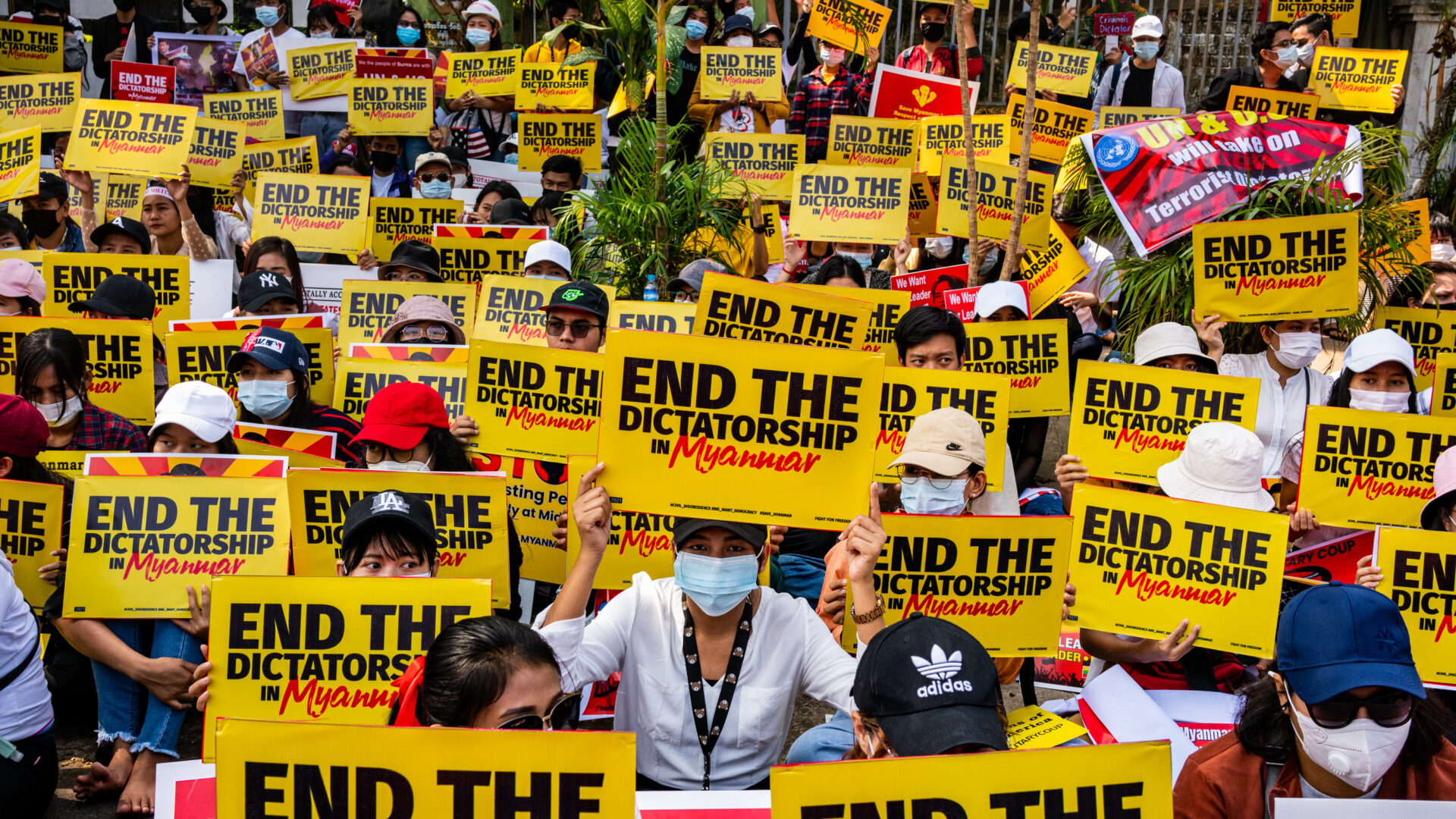
Image Credit: Hkun Lat/Getty Images