

January 2013, Volume 24, Issue 1
China at the Tipping Point? Foreseeing the Unforeseeable
The resilience of the Chinese authoritarian regime is approaching its limits. A breakthrough moment could be triggered by several kinds of events.
3273 Results
January 2013, Volume 24, Issue 1
The resilience of the Chinese authoritarian regime is approaching its limits. A breakthrough moment could be triggered by several kinds of events.
October 2024, Volume 35, Issue 4
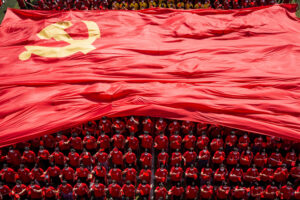
The People’s Republic of China has entered a new age, abandoning the ideological openness of the reform era and the socialist legacy of the revolutionary period. Under Xi Jinping, regime stability trumps all — and the PRC is weaker and less stable as a result.
April 2015, Volume 26, Issue 2
Why do some hybrid regimes remain stable over time, while others become more authoritarian? Venezuela’s autocratic turn has been driven by the ruling party’s declining electoral fortunes and by a foreign policy that has shielded it from international scrutiny.
July 2018, Volume 29, Issue 3
Viktor Orbán’s Fidesz party has used its two-thirds majority in parliament to change the constitution, erase checks and balances, and make the electoral system even more majoritarian.
January 2025, Volume 36, Issue 1
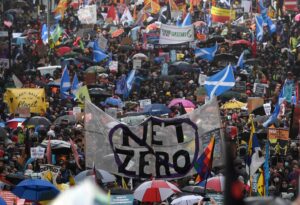
Democracy’s unique, flexible, and substantial resources make it better than authoritarianism at confronting climate change.

October 2025, Volume 36, Issue 4
Authoritarian regimes are targeting exiles and diaspora communities in more places than ever before. Activists, journalists, and regular people living abroad must watch their backs, because these governments now have the power to suppress dissent even outside their borders.
January 2018, Volume 29, Issue 1
International Forum for Democratic Studies report on "Sharp Power: Rising Authoritarian Influence"; Emmerson Mnangagwa's inaugural address as interim president of Zimbabwe; letter from Zimbabwean civil society organizations; address by U.K. prime minister Theresa May; statement by former Soviet political prisoners and dissidents.
July 2011, Volume 22, Issue 3
Strongman Alyaksandr Lukashenka’s suspiciously lopsided 2010 electoral victory—and subsequent crackdown on dissent—may seem like a repeat of the events of 2006, but much has changed in the interval, and his regime is much more precarious today.
January 2025, Volume 36, Issue 1
A Hong Kong prodemocracy activist’s statement upon her sentencing; Georgia’s president denounces the election results; Alaa Abd el-Fattah was named Writer of Courage and joint recipient of the 2024 PEN Pinter Prize; an open letter for Xu Zhiyong; and a Nigerian senator condemns the arrests of youth protesters.

April 2024, Volume 35, Issue 2
Around the world, democracy has lost steam. If we are to regain the momentum, we must harness these essential elements and wage the struggle with the conviction that the times demand.
April 2018, Volume 29, Issue 2
After Mao, Deng Xiaoping tried to institutionalize collective leadership, but this did not stop Xi Jinping from grasping all the levers of power.
April 2012, Volume 23, Issue 2
The strong state in Malaysia and Singapore best explains why their authoritarian regimes have proved so stable and enduring. That is also the reason why democratization would go smoothly in both countries—yet, paradoxically, might never happen there at all.
Commentary on Leslie Anderson and Larry Dodd's July 2009 essay on Nicaragua's 2008 municipal elections.
January 1, 2010
January 2020, Volume 31, Issue 1
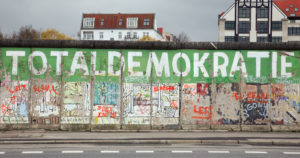
Is liberal democracy the endpoint of history? The ongoing democratic recession, growing disaffection among citizens, and rising populism pose new challenges to this view. Yet testing Francis Fukuyama’s much-criticized thesis requires us to consider not only liberal democracy’s internal contradictions, but also those of its authoritarian rivals.
April 2008, Volume 19, Issue 2
Excerpts from: Kosovo’s Declaration of Independence from Serbia; U.K. foreign secretary David Miliband’s speech, “The Democratic Imperative”; the power-sharing agreement between the Kenyan president and opposition leader; “Pakistan’s Tipping Point” by Bilawal Bhutto Zardari, chairman of the Pakistan Peoples Party.
October 2020, Volume 31, Issue 4
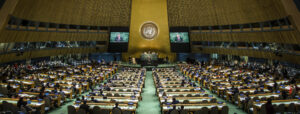
Through greater savvy engagement with international law, authoritarians are seeking not only to shield themselves from criticism, but to reshape global norms in their favor.
April 2021, Volume 32, Issue 2
With brutal resolve, the ruling party sought not merely to win an election, but to annihilate the opposition. Now, with President John Magufuli gone, that strategic rationale will likely only grow stronger.
January 2019, Volume 30, Issue 1
Excerpts from: the G7 Charlevoix Commitment on Defending Democracy from Foreign Threats; victory speech by Brazilian president Jair Bolsonaro; inaugural address by Mexican president Andrés Manuel López Obrador; inaugural address by Maldivian president Ibrahim Mohamed Solih; remarks by Angolan journalist Rafael Marques; and address by former U.S. Secretary of State Madeleine Albright commemorating the 100th anniversary of the Washington Declaration.
January 2019, Volume 30, Issue 1
At present, the key struggle for the future of liberal democracy appears as if it will be unfolding among parties and thinkers on the right.