
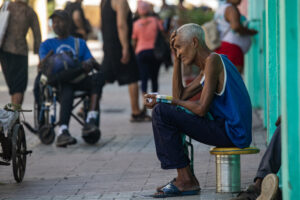
The Cuban Embargo Does Not Exist
The Cuban regime has created a narrative of victimhood as a smoke screen for its gross incompetence and corruption. I should know. I once believed it, too.
1984 Results
The Cuban regime has created a narrative of victimhood as a smoke screen for its gross incompetence and corruption. I should know. I once believed it, too.
The Journal of Democracy has analyzed democracy’s fortunes across the globe, from Ukraine to Afghanistan and the Philippines, from Hungary to Tunisia. Here are our top-ten most-read essays from 2022.
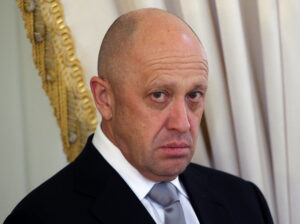
In the days ahead, the West must remain calm—and redouble its support for Ukraine.
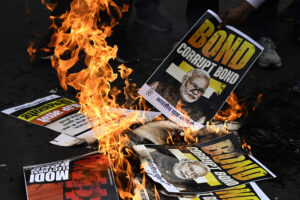
“Electoral bonds” were supposed to make political contributions transparent. Instead they became a form of legalized corruption, funneling huge sums and making the political playing field even more uneven.
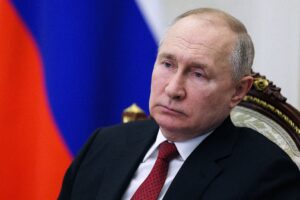
The Russian autocrat wanted to go down in history on par with Russia’s greatest leaders. He is increasingly looking like one of its weakest.

The perennial Slovak politician practices a hardnosed, vengeful form of politics. It is also bad news for the future of Slovakian democracy.
Commentary on Leslie Anderson and Larry Dodd's July 2009 essay on Nicaragua's 2008 municipal elections.
January 1, 2010
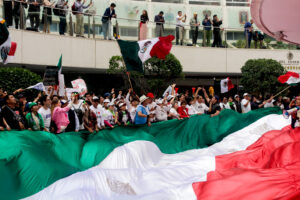
Mexico launched a radical overhaul of its judiciary on June 1 with its first-ever judicial election. The controversial plan risks weakening judicial independence, checks on presidential power, and democracy itself.

Don’t let the Hungarian prime minister’s globe-trotting and grandstanding fool you. Behind the posturing and attempts to steal the spotlight is a strongman who feels his position slipping.
The world’s biggest democracy and its brand of Hindu nationalism were top of mind for our readers in 2024. Meanwhile, this “year of elections” raised questions about liberalism, civic virtue, and democratic resilience across the world. The Journal of Democracy covered all of these ideas — plus the biggest stories of the year.
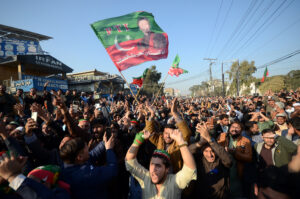
The country’s polls were marred by delayed results and charges of rigging. Worse, they might plunge Pakistan into an even deeper political crisis.
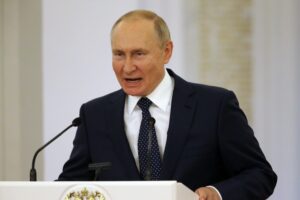
Yevgeny Prigozhin’s rebellion has exposed the fundamental instability of Putinism.
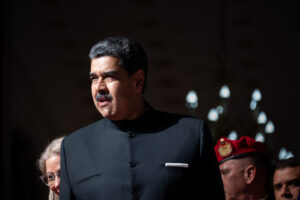
The strongman lost in a landslide, and the Venezuelan people are paying the price.
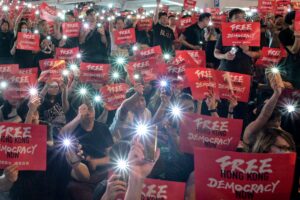
Many derided it as naïve idealism, but the vision undergirding the Freedom Agenda offers lessons for the biggest global tests of our time.
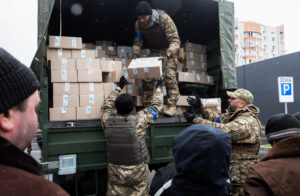
Afghanistan taught us that a firehose of unaccountable aid can destroy a country’s democratic future. In Ukraine, we are making the same mistake all over again.
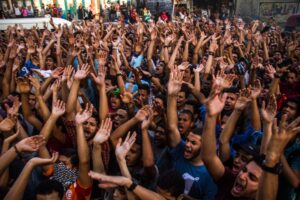
Egypt’s upcoming presidential elections are a sham. But the opposition can still take advantage of this moment to push for genuine reforms that the country desperately needs.

Aleksandar Vučić is tearing down what remains of Serbian democracy while the West remains silent. Serbia has become a test case for democratic resolve, and the region’s would-be strongmen are taking notice.

For years, they were a fringe vote. Now they are broadening their agenda, tapping into voter frustration, and getting Germans to favor them once again.
The ten most-read online exclusives this year focused on the Russia-Ukraine war as well as events in China, Iran, Western Europe, and Latin America.
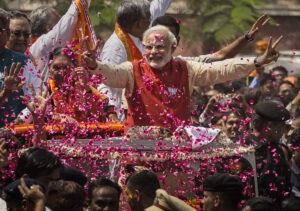
Democratic institutions, norms, and practices have been under threat in India. Should the country’s democracy fail, it will affect not only the lives of 1.4 billion Indians, but also democracy movements around the world.