Why Did Argentina Just Elect a Radical Right-Wing Political Outsider?
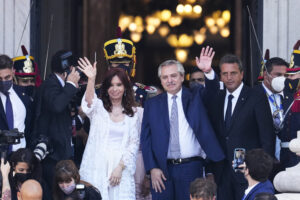
By choosing Javier Milei, Argentinian voters didn’t just reject the status quo. They have sent their country hurtling in an unknown direction.
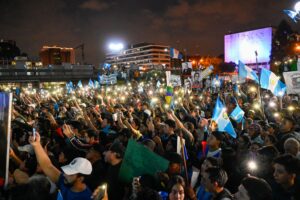
They are organized, nonviolent, and they have come out in great numbers. Guatemalans may also be writing the script on how to defeat democracy’s enemies.
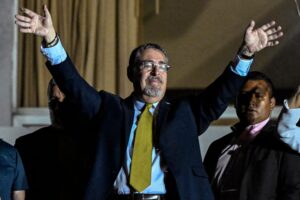
Almost no one thought that an underdog political reformer could defeat Guatemala’s corrupt political machine, but Bernardo Arévalo did just that. Now comes the hard part.
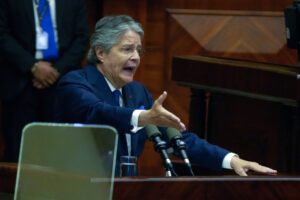
The small Latin American country was a brief democratic bright spot. But it appears to have fallen victim to a clash between populists and anti-populists, without a democrat in sight.
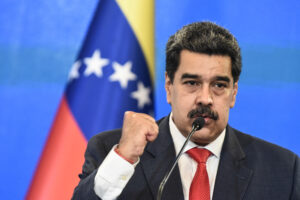
The Venezuelan dictator defied sanctions, international isolation, and massive protests. He appears to have a firmer footing than he’s had in years. Now what?
Across Latin America, former leaders are keeping a chokehold on their countries’ politics. It’s time their successors break free.
This book addresses such broad issues as whether democracy promotes inequality, the socioeconomic factors that drive democratic failure, and the basic choices that societies must make as they decide how to deal with inequality.
Political parties are one of the core institutions of democracy. But in democracies around the world, there is growing evidence of low or declining public confidence in parties. But are they in decline, or are they simply changing their forms and functions?
"Emerging Market Democracies provides useful insights into topics that connect market economies to various nations' politics, especially efforts at democratization, and compares and contrasts two important regions of the world in their quests for modernization."—John F. Copper, Asian Affairs
This book compares the experiences of diverse countries, from Latin America to southern Africa, from Uruguay, Japan, and Taiwan to Israel, Afghanistan, and Iraq.
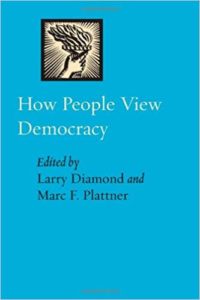
No serious student of democracy can afford to be without this book. It offers an original and comprehensive view of what citizens around the world think as democracy's global "third wave" prepares to enter its fourth and perhaps most challenging decade.