
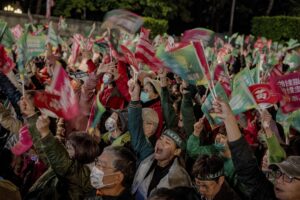
Is Democracy Surviving the “Year of Elections”?
Millions of voters are casting ballots in a string of elections across the globe this year. At the midyear point, how well is democracy holding up?
Millions of voters are casting ballots in a string of elections across the globe this year. At the midyear point, how well is democracy holding up?
Reports on elections in Algeria, Azerbaijan, Jordan, Kiribati, Sint Maarten, and Sri Lanka.
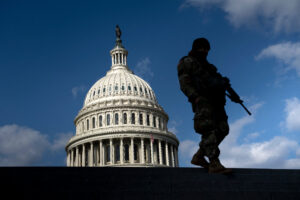
Political violence is rising in wealthy democracies — not just the United States, but around the world. In a special release from the October issue of the Journal of Democracy, Rachel Kleinfeld and Nicole Bibbins Sedaca argue that political leaders have the power to stoke or stamp out this dangerous cycle of violence.
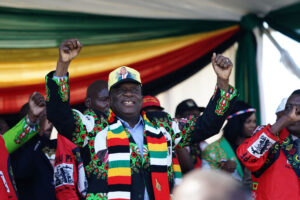
The continent’s aspiring dictators are attacking term limits with a vengeance, finding new ways to avoid handing over power. But citizens are overwhelmingly against it — and can help keep their leaders in check.
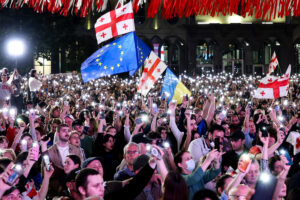
Later this month the country will be holding an absolutely pivotal election. The stakes? Whether Georgia will remain anchored to the West or become Vladimir Putin’s newest satellite state.
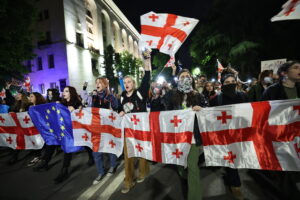
Georgia’s opposition is facing a pivotal election. But it isn’t enough to win: They need to be prepared to move quickly, mobilize the public, and force the regime to concede.
Reports on elections in Austria, the Czech Republic, and Tunisia.
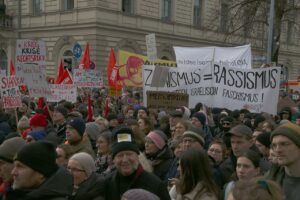
Immigration to the West has been soaring for a decade, as rising numbers of people flee conflict, hunger, and poverty. In the new issue of the Journal of Democracy, four leading thinkers explore the future of multiracial democracy and show how democracies must adapt if they are to succeed.

Authoritarian aggression, democratic recession, political violence, nationalism, and far-right resurgence. The latest issue of the Journal of Democracy offers incisive analysis and cogent solutions to these troubling trends across the globe.

By choosing Javier Milei, Argentinian voters didn’t just reject the status quo. They have sent their country hurtling in an unknown direction.

He is rude, foul-mouthed, and one of the most popular politicians in the world. Like it or not, Argentina’s chainsaw-wielding president is the new face of populism.
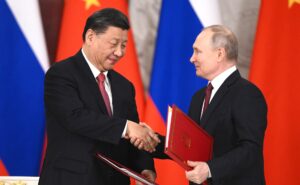
Authoritarians are evolving — becoming more unconstrained and repressive at home, and more destructive on the global stage. The following essays unpack the authoritarians’ toolkit, revealing their strategies for taking power and upending the liberal world order.
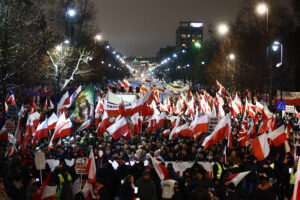
The latest issue of the Journal of Democracy covers important and alarming global trends, including authoritarian aggression, political violence, rising nationalism, and the far right’s resurgence. Don’t miss your chance to read it for free!
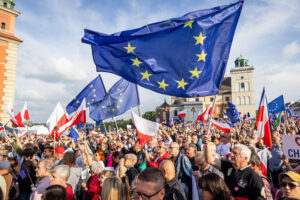
If mainstream parties don’t listen to voters, extremists will be rewarded at the ballot box.
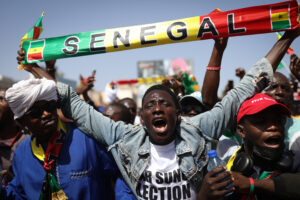
The president wanted to remain in power, but the people’s demands prevailed in the end.
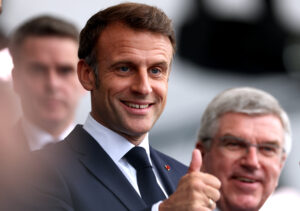
The French president made a big bet, and the far right lost.
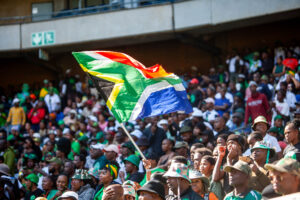
The ANC lost its majority for the first time, but populist forces were held at bay.
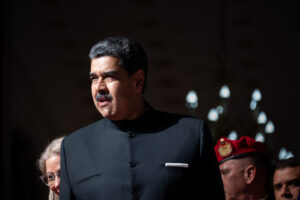
The strongman lost in a landslide, and the Venezuelan people are paying the price.
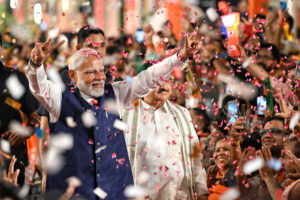
For all the warning signs, India held the line after a decade of backsliding.
The “year of elections” is entering its final stretch, and the contests of 2024 have run the gamut. We saw landslides, charades, and — in democratic and authoritarian settings alike — a fair number of surprises. What were the most significant elections of the year so far?