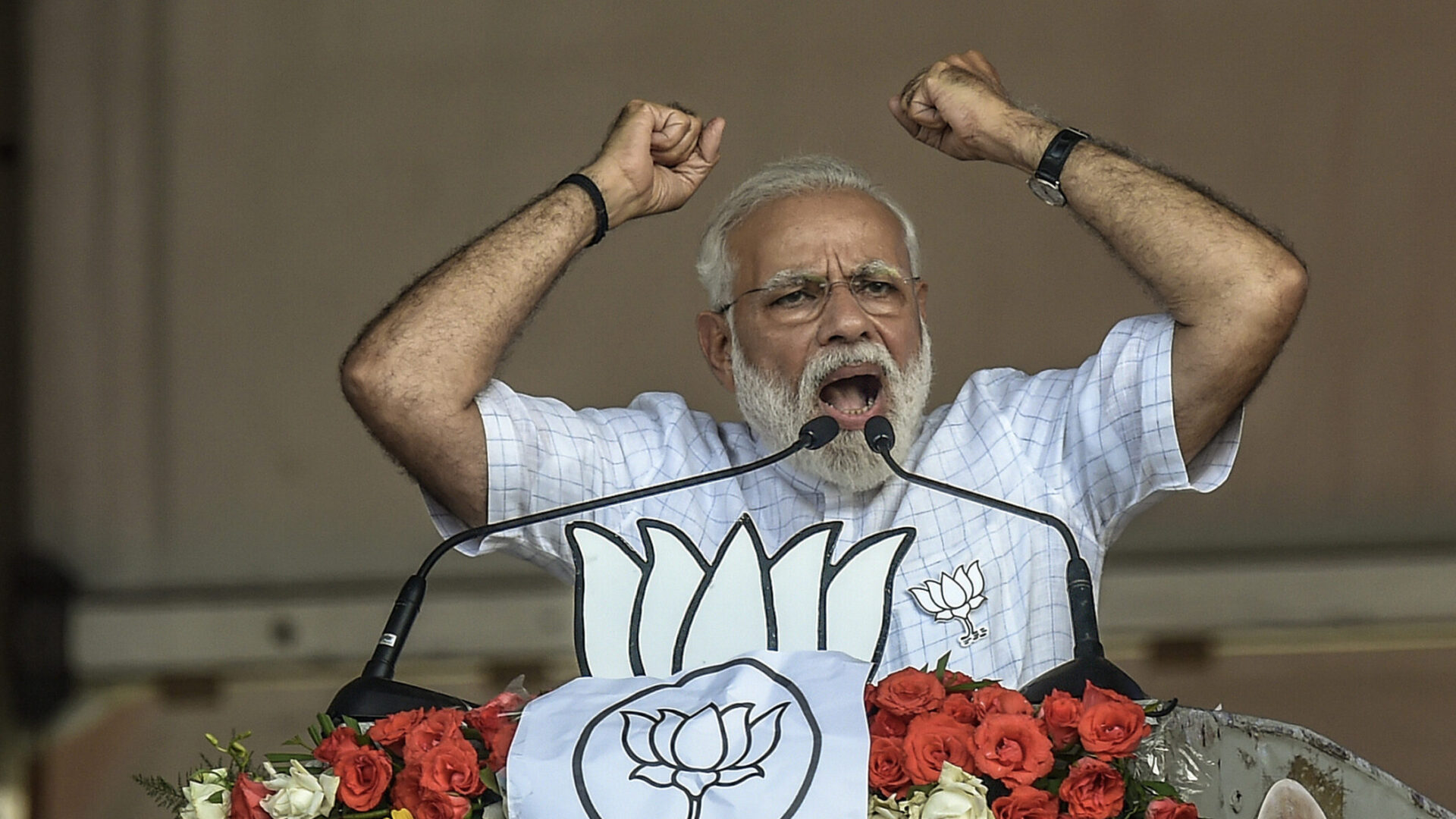
This essay argues that a number of the policies that the current, ruling Bharatiya Janata Party government in India is pursuing threaten to rend the very fabric of India’s democracy. Its policies toward press freedoms, civil liberties, and judicial independence are all profoundly inimical to the functioning of a democratic state. Unless these policies are checked or reversed the future of India’s democracy may well be imperiled.
About the Author
Šumit Gangulyis a senior fellow at the Hoover Institution at Stanford University, where he directs the Huntington Program on Strengthening US-India Relations and is also Distinguished Professor of Political Science and the Rabindranath Tagore Chair in Indian Cultures and Civilizations Emeritus at Indiana University, Bloomington. He is the author (with William Thompson) of Ascending India and Its State Capacity (2017) and the coeditor (with Eswaran Sridharan) of The Oxford Handbook of Indian Politics (2014).
Indian voters pulled off a surprise by allowing the Congress party to retain power at the head of a more coherent coalition that is far less dependent on a congeries…
When it comes to backing democracy and human rights in international forums, the behavior of the world’s six most influential rising democracies ranges from sympathetic support to borderline hostility.
Over the last two decades, India has gone through a series of peaceful revolutions-in society, in economic life, and in the political system-that have strengthened Indian democracy and given it…