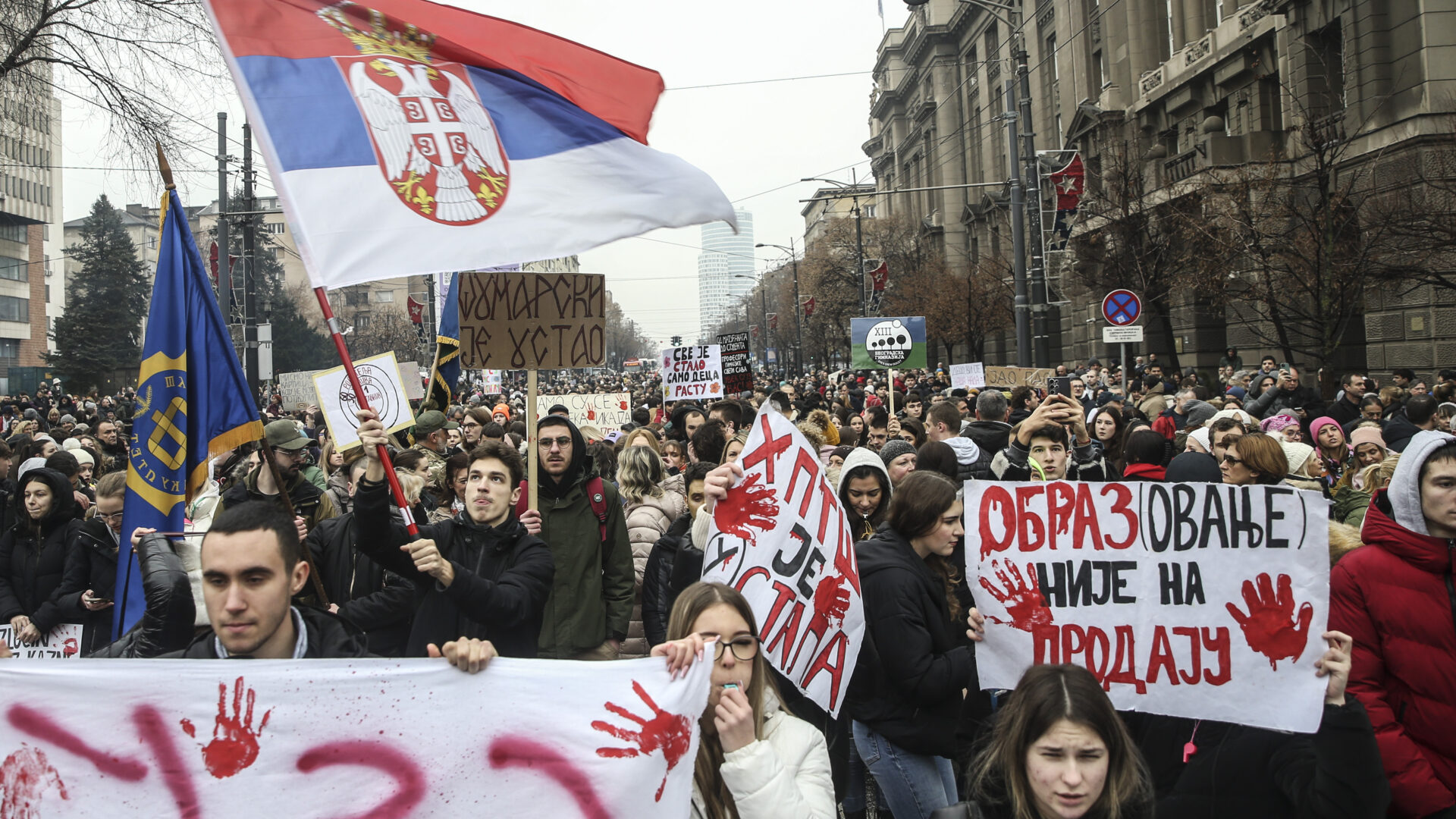
From Burma to Belarus, one question keeps surfacing: Does nonviolent action still work? The authors argue that the theory hasn’t failed, but rather that the field has fallen behind. Authoritarian regimes have modernized repression while movements have reduced strategic nonviolent struggle to street protest, mistaking visibility for leverage. That gap helps explain why organizers facing lethal repression have turned to arms, even though nonviolent campaigns still outperform violent ones. The authors also challenge how success gets measured: Leader-centric, single-cycle standards obscure real gains. What the field needs now isn’t new doctrine but investment in countering smart repression, rebuilding noncooperation, and sharing lessons across movements.
About the Authors
Breza Race Maksimovic
Breza Race Maksimovicis program director at CANVAS. Her work with prodemocracy activists and external partners includes strategic planning, implementation and evaluation of programs, and using nonviolent creative activism to achieve positive change.
Jamila Raqib is executive director of the Albert Einstein Institution and a specialist in the study and practice of strategic nonviolent action. Her current work focuses on how authoritarian regimes and resistance movements adapt, and on translating emerging knowledge into trainings and resources for practitioners.
Ukraine gained independence in 1991, but its people gained their freedom only in 2004 with the Orange Revolution—an uprising of the human spirit in which Ukrainians joined together to gain…
Something happened in America starting in the mid-to-late twentieth century to diminish civic engagement and social connectedness. What could that “something” be? Why were fewer and fewer Americans going the…