
1256 Results
archivo general del estado de méxico
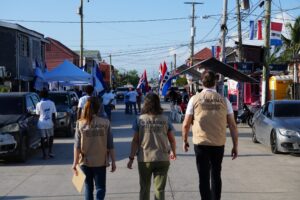
Why Election Observers Are Human-Rights Defenders
Election observers are the first line of defense for democratic rights and freedoms, and they work in some of the most challenging places. They deserve the same protections as human-rights defenders.
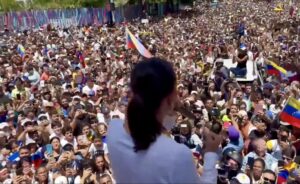
Maduro Can Only Rule Through Fear and Terror
The Venezuelan strongman lost the election and everyone knows it. He has nothing left to offer but violence and repression. It will be his undoing.

Thailand’s Revolutionary Election
Thailand’s voters—especially its young people—have sent the country’s junta a message: They want change now. But will the military listen?
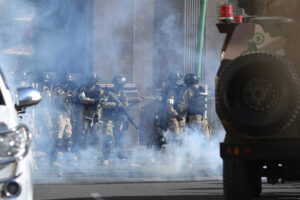
Can Bolivia Ever Escape the Coup Trap?
The South American country was once the most coup-prone in the world. Many thought it had closed that chapter. So why did it just suffer another attempted coup?
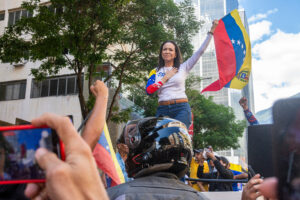
Women Are Leading Venezuela’s Fight for Democracy
María Corina Machado’s Nobel Peace Prize has made her the face of the struggle for democracy in Venezuela. But throughout the opposition, women are the backbone of the fight against Nicolás Maduro’s corrupt authoritarian regime.
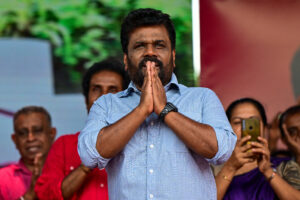
The Man Who Would Oust a Dynasty
A few years ago Anura Kumara Dissanayake led a struggling political party with bleak prospects. Now he is Sri Lanka’s newly elected president. The hardest work may still lie ahead.
Maduro Can Only Rule Through Fear and Terror
Venezuela’s opposition defeated Nicolás Maduro in the country’s July presidential election, but the Venezuelan strongman refuses to relinquish power. The Journal of Democracy essays below, free for a limited time, chronicle Venezuela’s struggle against Maduro’s authoritarianism — and what makes this election different.
Election Observers Are Human-Rights Defenders
Election observers are the first line of defense for democratic rights and freedoms. The essays below highlight the importance of election monitoring, especially in highly polarized, autocratic settings, the dangers that observers face, and the repercussions of rigged contests.
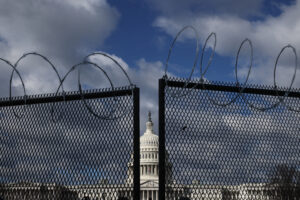
Political Violence — And How to Prevent It
Rachel Kleinfeld and Nicole Bibbins Sedaca detail the dangers of deep polarization and lay out steps that leaders and citizens can take to stop the violence.
Women Are Leading Venezuela’s Fight for Democracy
When María Corina Machado was awarded the Nobel Peace Prize earlier this month, she made sure to emphasize that her accomplishments were not hers alone — they were shared with countless other activists agitating for democracy in Venezuela.
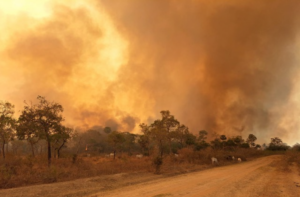
Bolivia’s Silent Destruction
Bolivia’s Amazon forests are becoming scorched earth, with millions of acres lost each year to raging fires. Worse, this disaster is being caused by a government more interested in corrupt profits than protecting its people and wildlife.
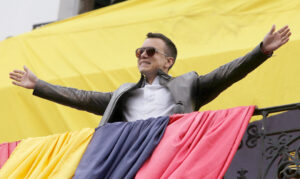
Why Democracy by Referendum Seldom Works
Ecuador’s presidents have a history of asking the public to back their initiatives rather than building political coalitions to accomplish their goals. The country’s current president is no different — and it comes at a high cost.
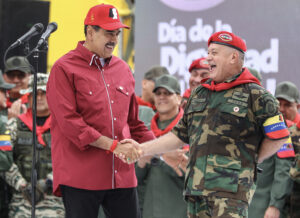
How Venezuela Became a Gangster State
Nicolás Maduro is a mafia boss, not a president, and the Venezuelan government is now a criminal enterprise with the power of a state. It poses a threat to democracies everywhere.
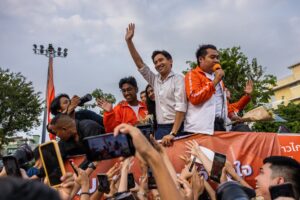
How Thai Activists Outsmarted the Generals
The regime tilted the playing field to its advantage, but it didn’t matter. Thailand’s opposition won with creativity, shrewd tactics, and a strategy that united the people.
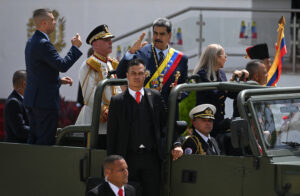
Is This the Beginning of Maduro’s End?
The Venezuelan strongman is attempting to steal the country’s presidential election and daring the people to stop him. But even if military leaders are backing him, Maduro is already weaker than he appears.
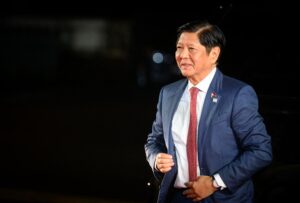
The Son Also Rises
Many feared Ferdinand Marcos Jr.’s election would spell the end of Philippine democracy. But the dictator’s son has surprised nearly everyone, playing the role of a reformer while moving fast to sideline his populist rivals.