

Where Conspiracy Theories Come From
There is nothing inherently menacing or antidemocratic about conspiracy theories. They can even be a source of amusement. The trouble comes when political elites weaponize them to invite violence.
3266 Results
There is nothing inherently menacing or antidemocratic about conspiracy theories. They can even be a source of amusement. The trouble comes when political elites weaponize them to invite violence.
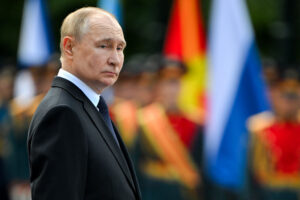
Monday, February 24, marks the third anniversary of Russia’s full-scale invasion of Ukraine. Hundreds of thousands have been wounded or killed, Ukrainian arsenals are drained, and Western allies are divided. Even so, Putin’s effort to stir support for his war has fallen flat. New evidence shows that the Russian people don’t support the fight.
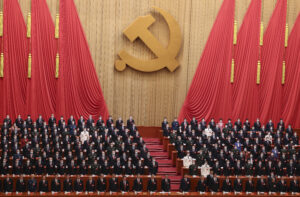
At the Chinese Communist Party’s Twentieth National Congress last week, Xi Jinping secured a third term as Party secretary. But the most important development wasn’t Xi extending his rule or the Party’s elevation of new leaders. Rather, Xi made clear that the era of Chinese economic growth above all else was over. Now the Party’s…
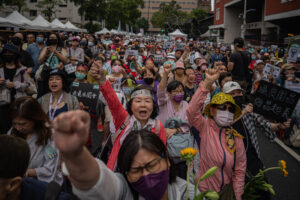
China’s efforts to sway the Taiwanese people with conspiracy theories and lies are starting to resonate, undermining their faith in democracy and deepening polarization. In a new Journal of Democracy online exclusive, Tim Niven argues that defending against China’s information war will require tireless resistance from the whole of society.

The latest issue of the Journal of Democracy covers important and alarming global trends, including authoritarian aggression, political violence, rising nationalism, and the far right’s resurgence. Don’t miss your chance to read it for free!

A week from today, voters across all 27 European Union countries will head to the polls to elect the next European Parliament. The following Journal of Democracy essays chronicle the far right’s rise across Europe and consider the dangers it presents in the region and beyond.

For years, the Venezuelan opposition has fought hard against a corrupt regime — and come up short. But this time, with four key ingredients in place, we are on the cusp of a historic victory.

Mexico’s ruling party is using its majority to overhaul democratic institutions. Venezuela’s autocrat, Nicolás Maduro, has been sworn in for a third term after stealing an election he clearly lost. And the legacy of covid-19 is still shaping the region’s politics. The following JoD essays unpack the latest in Latin American democracy.

The 2022 World Cup has just kicked off in Qatar. Long before the first match, the small Arab monarchy made a bet that investing billions in the “beautiful game” might do wonders for their reputation, too.

Immigration to the West has been soaring for a decade, as rising numbers of people flee conflict, hunger, and poverty. In the new issue of the Journal of Democracy, four leading thinkers explore the future of multiracial democracy and show how democracies must adapt if they are to succeed.
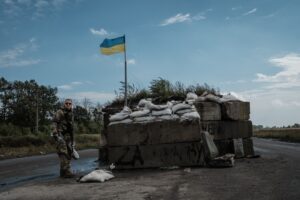
Billions in much-needed American military aid are now headed for Ukraine. The following Journal of Democracy essays demonstrate what it will take to reverse the course of this war of attrition, and why this struggle is a “contest between democracy and dictatorship.”

The 2024 International Day of Democracy is spotlighting the potential of artificial intelligence to improve governance while also recognizing the risks it poses. Over the last year, the Journal of Democracy has published some of the world’s leading AI experts on the promise and peril it presents for democracy.

Beijing is bent on curbing democratic freedoms and imposing totalitarianism at home and abroad. The following Journal of Democracy essays dissect China’s influence operations and offer ways for even fragile democracies to combat autocratic influence.

The country’s polls were marred by delayed results and charges of rigging. Worse, they might plunge Pakistan into an even deeper political crisis.
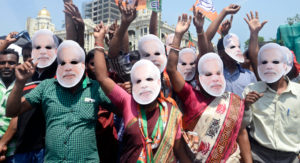
With India’s next general election just a year away, here are five of his Journal of Democracy essays that offer critical analysis of the world’s largest democracy at a crucial time.

A democratic recession has been sweeping the globe for more than two decades, and it’s picking up steam. What explains this alarming decline? In the April issue, leading scholars debate the root causes of democratic backsliding, and what can be done to stop it.
Most of the world’s democracies remain extremely vulnerable to sharp-power threats. The following Journal of Democracy essays explore how authoritarians weaponize universities, technologies, media, entertainment, and culture to attempt to crack democracy’s foundations.
The biggest election in this “year of elections” is finally over. In contests across the world, voters have spoken. But what do their choices tell us about the state of democracy globally?