
Read the full essay here.
The article reassesses early-2000s optimism about “Muslim democracy,” arguing that Islamist participation and pragmatism have not produced stable democratization. Drawing on the cases of Turkey, Egypt, Tunisia, Morocco, Pakistan, and others, the authors show that without a genuine normative commitment to pluralism, civil liberties, and institutional checks, Islamist parties often instrumentalize elections and slide into authoritarian or majoritarian rule. Structural legacies of secular authoritarianism, regional counterrevolution (notably Gulf monarchies), inconsistent Western “linkage and leverage,” and a global wave of populist authoritarianism further constrain democratization. The authors conclude that durable democracy in Muslim-majority states requires stronger institutions, engaged civil society, and sustained international support.
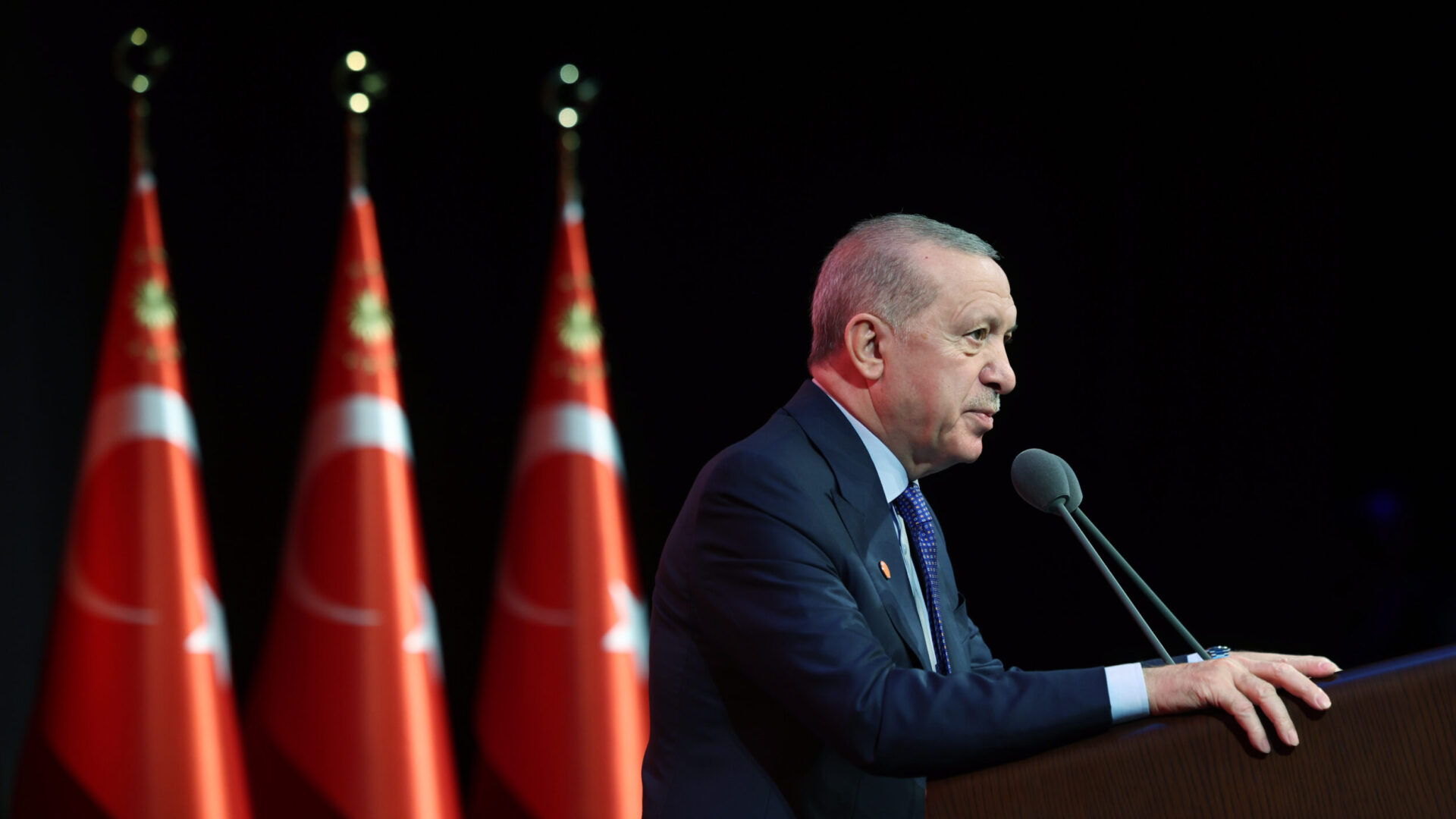
Image Credit: Turkish Presidency / Mustafa Kamaci / Handout/Anadolu via Getty Images