
Read the full essay here.
This essay argues that the post-unipolar international order, combined with unprecedented interdependence, has created an “age of authoritarian abundance.” As the relative power of the United States and Europe declines and democratic erosion spreads within the West, Western governments increasingly repurpose their influence toward transactional partnerships with illiberal actors. At the same time, autocrats can draw political, financial, technological, and diplomatic support from a diverse array of great powers, authoritarian middle powers, international institutions, and private firms, reducing dependence on any single patron and exploiting asymmetries in areas such as migration, energy, and digital infrastructure. These mutually reinforcing trends expand the resources available for autocratic survival while leaving prodemocracy forces with little external support. Democracy’s prospects are not foreclosed, but in a fragmented order without a major power committed to promoting democratic norms, they depend on many actors whose interests rarely align with democratic ends.
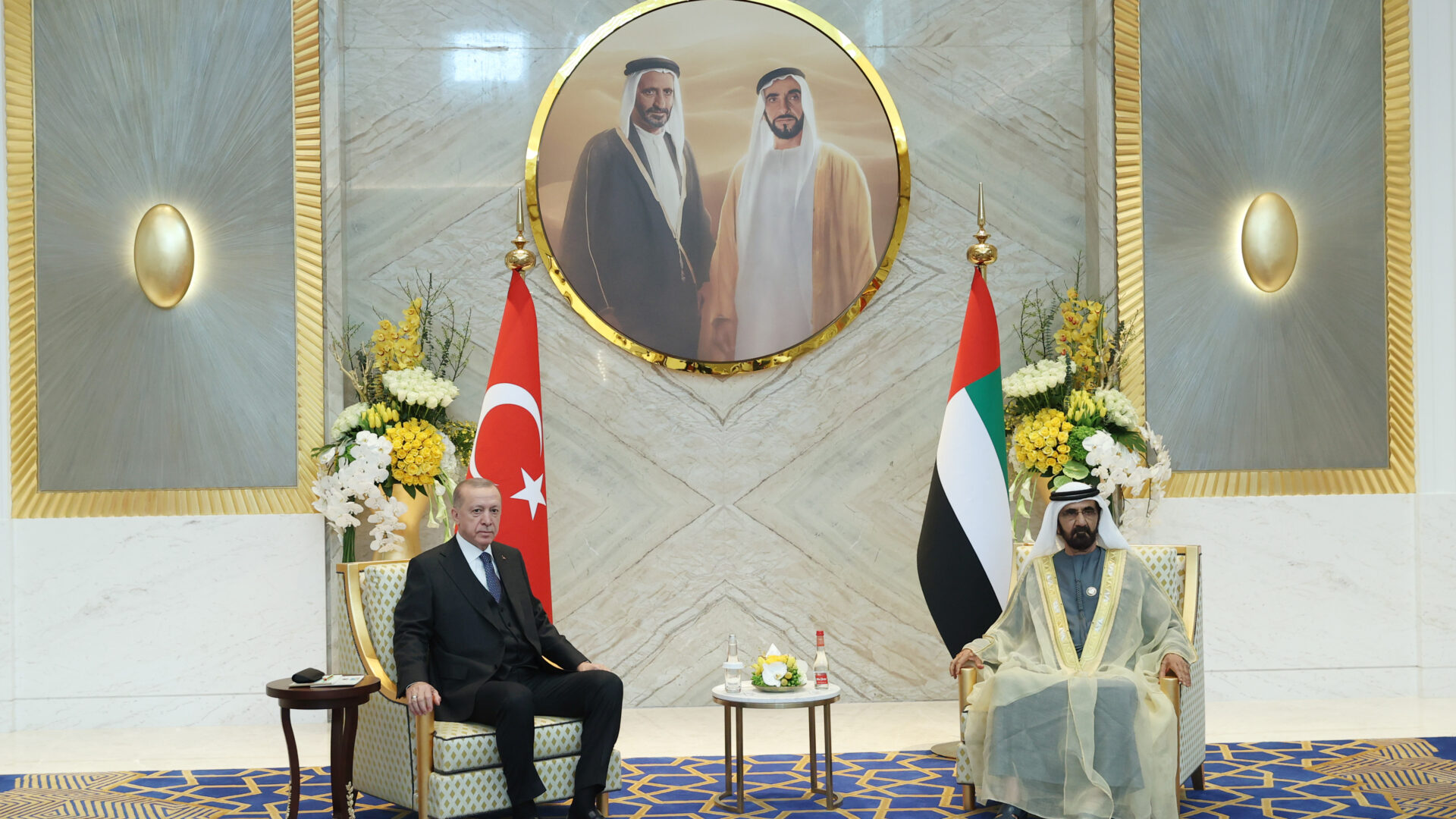
Image Credit: Presidential Press Office via dia images via Getty Images