
Read the full essay here.
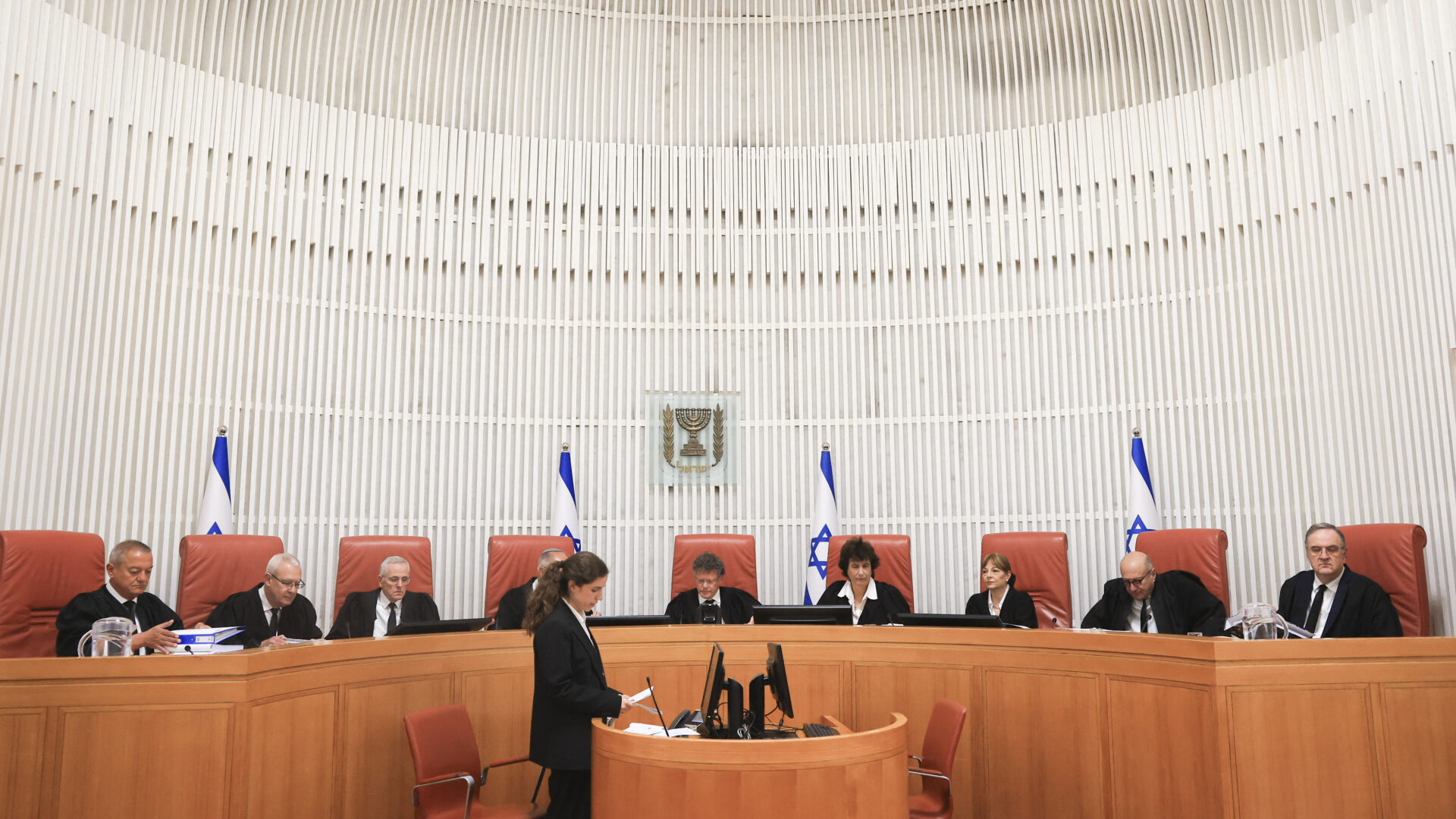
When elected leaders attack the courts, why does judicial independence sometimes survive? This essay argues that courts rarely prevent executive power grabs on their own. Rather, judges depend on judicial allies—especially legislators, civil society groups, and international actors—who empower courts to resist executive aggrandizement. By analyzing cross-national evidence as well as case studies of Brazil, Israel, and Poland, the author finds that judicial independence is most resilient when opposition parties retain power in the legislature. Yet even when illiberal governments control the legislature, protests and international actors can still protect the courts. The case studies illustrate that mobilization by judicial allies often generates positive feedback effects, as mobilization empowers judges, whose decisions energize further resistance. At a time when courts are under attack in the United States and globally, judicial allies must not only defend courts but also, in the longer term, reform them.
Image Credit: Ronen Zvulun / POOL / AFP via Getty Images