140 Results

Free Articles: POLITICAL PARTIES

SORT BY:
Free

April 2018, Volume 29, Issue 2

The Undemocratic Dilemma

The ability of liberal democracies around the world to translate popular views into public policy has been declining. Yet there is no easy way to overcome this trend without weakening the capacity of governments to solve some of the most pressing challenges of the coming decades.

Free

January 2020, Volume 31, Issue 1

30 Years of World Politics: What Has Changed?

Democracies are grappling with an era of transformation: Identity is increasingly replacing economics as the major axis of world politics. Technological change has deepened social fragmentation, and trust in institutions is falling. As our most basic assumptions come under question, can liberal democracy rebuild itself?

Free

October 2023, Volume 34, Issue 4

AI and Catastrophic Risk

AI with superhuman abilities could emerge within the next few years, and there is currently no guarantee that we will be able to control them. We must act now to protect democracy, human rights, and our very existence.

Free

April 2024, Volume 35, Issue 2

Power, Performance, and Legitimacy

Around the world, democracy has lost steam. If we are to regain the momentum, we must harness these essential elements and wage the struggle with the conviction that the times demand.

Free

October 2022, Volume 33, Issue 4

Why Democracies Survive

Democracies are under stress, but they are not about to buckle. The erosion of norms and other woes do not spell democratic collapse. With incredibly few exceptions, affluent democracies will endure, no matter the schemes of would-be autocrats.

Free

January 2026, Volume 37, Issue 1

How to Bring Authoritarians to Justice

Brazil did something that few democracies achieve: It convicted a former president of attempting a coup. How did the country’s courts hold would-be autocrat Jair Bolsonaro accountable when so many other coup plotters go unpunished?

Free

April 2019, Volume 30, Issue 2

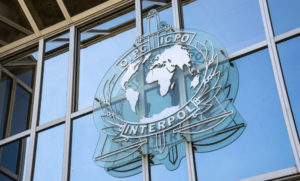
Weaponizing Interpol

Globalized authoritarian regimes are increasingly abusing Interpol’s notice system to go after political opponents based abroad. These regimes seek not only to punish their critics, but also to legitimate their own acts of repression.

Free

January 2026, Volume 37, Issue 1

The AI Democracy Dilemma

A revolution in political participation is underway: Political players and advocacy groups are using AI to draft ballot initiatives, gather signatures, and persuade voters—undermining democratic legitimacy in the process.

Free

April 2010, Volume 21, Issue 2

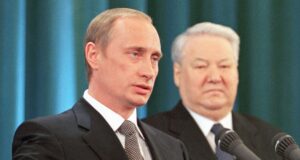
The Ex-Presidents

What makes elected leaders step down at the appointed hour, and what do they have to look forward to once their terms end? A look at the political afterlives of world leaders tells us that the future prospects of presidents and premiers may well affect their behavior while in office.

Free

July 2020, Volume 31, Issue 3

China’s Pandemic Power Play

President Xi Jinping and the Chinese Communist Party are taking advantage of the coronavirus pandemic to seize new ground and promote China’s global influence. But their assertive, strong-arm tactics are born from fear and restless insecurity.

Free

January 2018, Volume 29, Issue 1

Fighting Terrorism: The Democracy Advantage

Despite worries that terror groups can turn open societies’ very openness against them, the numbers reveal that liberal democracies enjoy significant advantages in resisting the threat of terrorism. 

Free

April 2024, Volume 35, Issue 2

America’s Crisis of Civic Virtue

The problem for democracy today is not capitalism; it is a decline in public honesty and civility. But there is an opportunity to revive our sense of national community, if we seize it.

Free

January 2020, Volume 31, Issue 1

The End of History Revisited

Is liberal democracy the endpoint of history? The ongoing democratic recession, growing disaffection among citizens, and rising populism pose new challenges to this view. Yet testing Francis Fukuyama’s much-criticized thesis requires us to consider not only liberal democracy’s internal contradictions, but also those of its authoritarian rivals.