
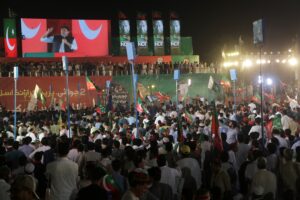
Why Pakistan Always Seems on the Brink of Collapse
The military has spent decades trying to impose order on Pakistani politics. It has led to chaos.
2036 Results
The military has spent decades trying to impose order on Pakistani politics. It has led to chaos.
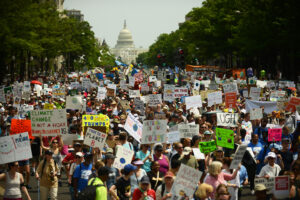
Citizens have lost faith in democracy. Misinformation, disinformation, hyperpolarization, and conspiracies, exacerbated by the modern media environment, have heightened distrust and anger. The following Journal of Democracy essays explore these dynamics and the important role ordinary citizens can play in countering democratic erosion.
The world’s biggest democracy and its brand of Hindu nationalism were top of mind for our readers in 2024. Meanwhile, this “year of elections” raised questions about liberalism, civic virtue, and democratic resilience across the world. The Journal of Democracy covered all of these ideas — plus the biggest stories of the year.
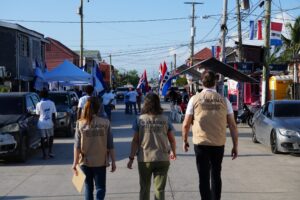
Election observers are the first line of defense for democratic rights and freedoms, and they work in some of the most challenging places. They deserve the same protections as human-rights defenders.
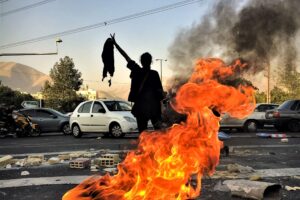
The escalating conflict between Iran and Israel now includes the United States, and fears are growing that it could become a regional war. But there’s another war that people aren’t talking about: the Islamic Republic’s brutal campaign against its own people.

He is rude, foul-mouthed, and one of the most popular politicians in the world. Like it or not, Argentina’s chainsaw-wielding president is the new face of populism.
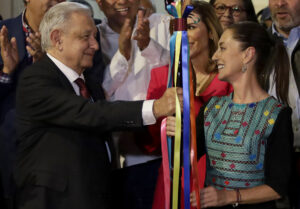
She was just elected Mexico’s first woman president in a landslide. The future of Mexico’s democracy rests on whether she can break from her predecessor’s ways and carve her own democratic path.

The attack on Donald Trump is one of the worst instances of political violence in recent years. Such violence is the result of a moment in which people begin to see their political opponents as enemies instead of citizens of a different political stripe.
What explains democracy’s declining fortunes — governments’ failure to deliver or institutions’ failure to stop power-hungry leaders? Why Ukraine’s defeat would jeopardize the entire liberal-democratic order. And how Syria must navigate the complexities of transitional justice and sectarian violence now that the hard work of rebuilding has begun.
Commentary on Leslie Anderson and Larry Dodd's July 2009 essay on Nicaragua's 2008 municipal elections.
January 1, 2010
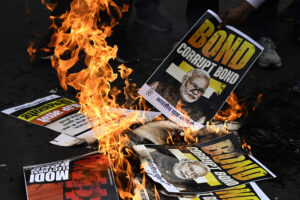
“Electoral bonds” were supposed to make political contributions transparent. Instead they became a form of legalized corruption, funneling huge sums and making the political playing field even more uneven.
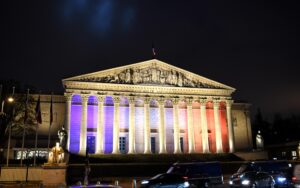
France is burning through prime ministers and Macron’s political gambles are going bust. The French president needs to change his tactics before it’s too late.
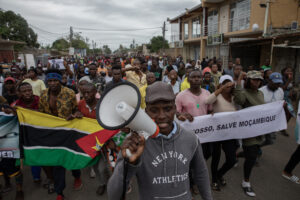
People are calling for a so-called unity government to stem the violence in Mozambique. But there is a better way to set the country on the right course.
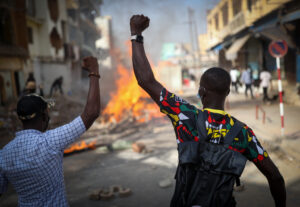
Democracy is more resilient than many people realize, but that doesn’t mean there aren’t worrying signs on the horizon.
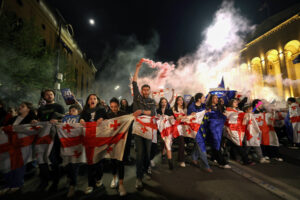
The country is at risk of collapsing into a full Russian autocracy, and Georgians understand it as a make-or-break moment. The strength and resolve of the country’s civil society will decide the outcome.
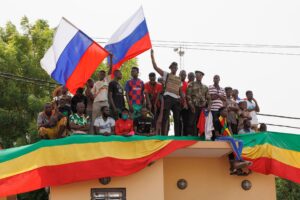
A string of Kremlin-backed military coups have brought a collection of juntas to power. The West should resist calls to placate them, and instead stick to its values and push for a return to civilian rule.
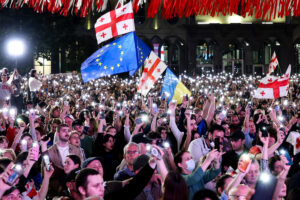
Later this month the country will be holding an absolutely pivotal election. The stakes? Whether Georgia will remain anchored to the West or become Vladimir Putin’s newest satellite state.
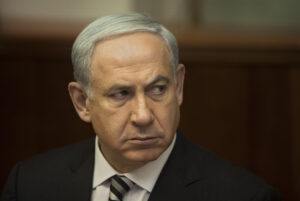
The country’s mass protests were its last democratic guardrail. But Israel’s wartime goals have become a higher priority than keeping Netanyahu in check.
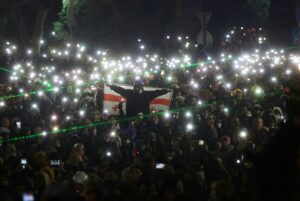
Georgians have returned to the streets to fight for their country’s future. They refuse to let it slip quietly into the autocracy the ruling party seeks.