
Democracy Without Liberalism?
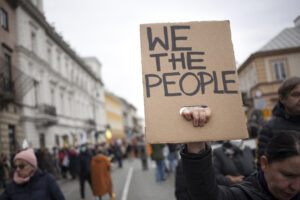
We have long assumed democracy and liberalism went hand in hand. But in truth there have always been tensions between them, and the rise of illiberal democracy cannot be ignored.
2031 Results
We have long assumed democracy and liberalism went hand in hand. But in truth there have always been tensions between them, and the rise of illiberal democracy cannot be ignored.
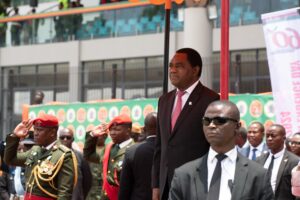
There’s a fine line between genuine cybersecurity and digital authoritarianism. Many autocrats use the pretext of digital order to surveil, silence, and suppress their citizens. State cyber repression creates a climate of fear around social media and the internet, shrinking one of the last remaining spaces for free speech.

If you want to understand why generals support a presidential power grab, then you need to understand the logic that motivates them. Why they leave the barracks — and what we must do to get them to stand down.
The Cuban opposition recently lost one of its towering figures. Click here to read an exchange between Payá and Václav Havel that appeared in the April 2004 Journal of Democracy.
August 1, 2012
An editorial on China’s digital repression highlights the work of JoD contributor Xiao Qiang, who in our January issue warns that the integration of new digital technologies and mass information collection may soon enable Chinese authorities to preemptively crush opposition.
January 16, 2019
In an interview with The Signal and a Foreign Policy piece based on his April article in the Journal, Christian Welzel argues that the global shift toward democratic values runs deeper than today’s autocratic upswell.
Nilay Saiya, whose essay “Why Freedom Defeats Terrorism” appeared in our April issue, argues in a Slate piece based on his article that civil liberties—not crackdowns—are the key to preventing terrorism.
In a year marked by high political drama, economic unrest, and rising assaults on democracy, we at the Journal of Democracy sought to provide insight and analysis of the forces that imperil freedom. Here are our 10 most-read essays of 2021.
As political polarization deepens in the world’s democracies, political violence is on the rise. And in the wake of these acts, conspiracy theories often bloom. We offer three essays that look at these forces that threaten to upend democracy, and what must be done to overcome them.
To mark International Women’s Day, the Journal of Democracy looks at how women are shaping the fight for freedom.

Mikhail Gorbachev risked everything. Neither Russia nor the West could live up to his vision.

The United States, like other polarized democracies, is in turmoil. Increasing radicalism, intolerance, and violence continue to rock the country in the run-up to the November election. These essays reflect on this polarization and how to protect ourselves from the damage it is inflicting.
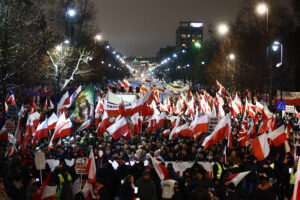
The biggest election in this “year of elections” is finally over. In contests across the world, voters have spoken. But what do their choices tell us about the state of democracy globally?
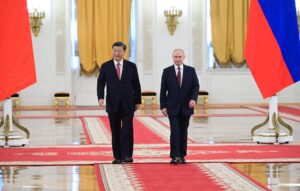
They are benefiting from a world that has grown more hostile for democracy and human rights. But it doesn’t need to be the case. Democracies need to double down on their own competitive advantage.

Samuel Huntington’s classic theory offered a new way of understanding democracy’s global trajectory. But amid rising populism and increasingly aggressive authoritarian leaders, has Huntington’s thesis outlived its usefulness?

Russia’s invasion of Ukraine isn’t just another land grab. It’s an attempt to recolonize lost empire, and threatens to return us to the age of conquest.

Why we must tackle the threat posed by Putin and his authoritarianism head on.

Tunisia’s president is looking to strengthen his chokehold on the country.