
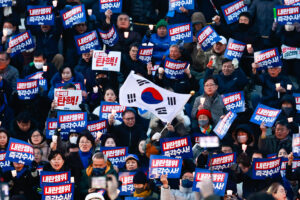
What Happened to South Korea’s Democracy?
The quick reversal of President Yoon’s martial-law order is being celebrated as a democratic victory. But the problems run deeper than one man. What comes next?
2855 Results
The quick reversal of President Yoon’s martial-law order is being celebrated as a democratic victory. But the problems run deeper than one man. What comes next?

He is rude, foul-mouthed, and one of the most popular politicians in the world. Like it or not, Argentina’s chainsaw-wielding president is the new face of populism.
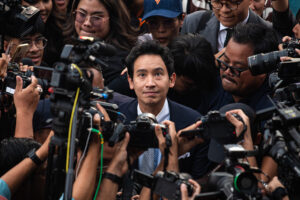
Thai politics appears to be in a loop, with the military keeping people’s democratic hopes under wraps. But there is reason to believe the streets won’t be quiet for long.
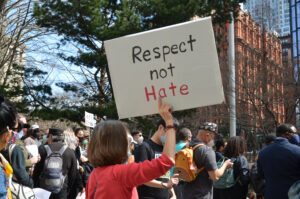
The world increasingly appears afflicted by “us-them” divides that breed anger, resentment, and violence. But across the globe small local groups are mounting a thoughtful resistance against polarization and hate.
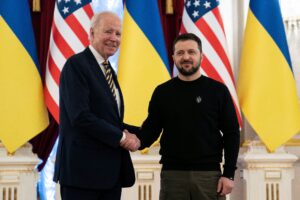
The case for liberal democracy remains powerful. It may get its biggest boost in the near term from success on the battlefields of Ukraine.
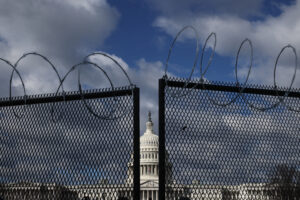
Rachel Kleinfeld and Nicole Bibbins Sedaca detail the dangers of deep polarization and lay out steps that leaders and citizens can take to stop the violence.
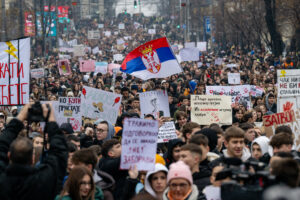
Serbs from all walks of life have had enough with their corrupt, inept, and increasingly authoritarian government. Will Serbia’s president be able to withstand the crisis?
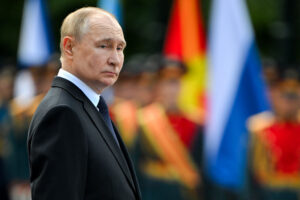
Vladimir Putin wants to stir patriotic fervor for his war in Ukraine. But most Russians don’t think the war is worth the cost, and it’s putting the Kremlin in a bind.
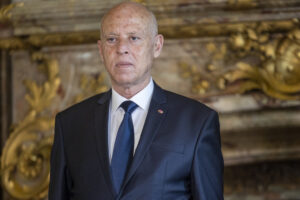
Kais Saied is claiming a landslide election win. The truth is he was never willing to face a real competition. Just how insecure he feels will likely determine how much more repressive he will become.
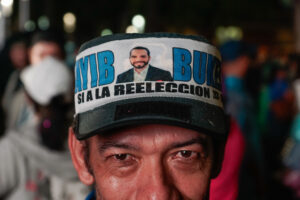
Of course not. But the region’s democratic hopes are fighting an uphill battle against corruption, crime, and a violent past.
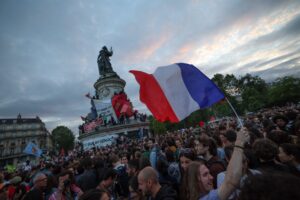
The French president risked it all to hand the far right a stinging loss. But the celebration can’t last long. If the country is to avoid greater political chaos, voters must be encouraged to think about broader coalitions that go beyond a narrow left-right divide.
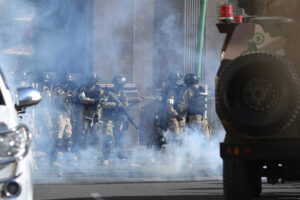
The South American country was once the most coup-prone in the world. Many thought it had closed that chapter. So why did it just suffer another attempted coup?
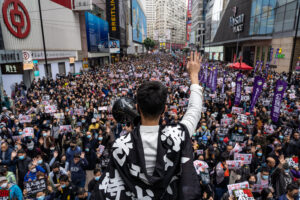
What are the true lessons from Tiananmen Square? Why does nonviolent resistance offer the best chance of challenging the CCP? Hu Ping, a leading Chinese dissident, reflects on the mistakes that were made and what it will take to succeed next time.

Why are would-be strongmen so unlikely to succeed in undoing democracy? What steps can we take to protect democracies from advanced AI? Should we be worried about the Gulf states’ growing influence?
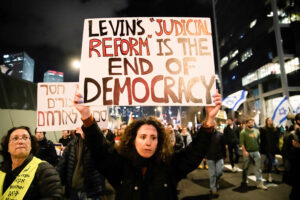
Prime Minister Benjamin Netanyahu wants the public to see his efforts to overhaul the Israeli judiciary as a “reform.” But people have seen it for what it is: a struggle over the very future of democracy itself.
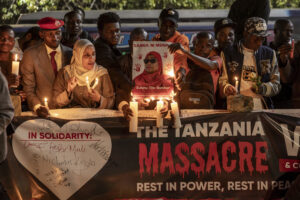
Tanzania’s October election was a sham. When people rose up in protest, the regime responded with a brutal crackdown. That reign of terror marks a turning point for the country, and there is no going back.
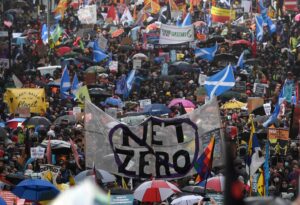
Climate change poses a grave and urgent threat to the entire planet. The consequences — natural disasters like the Los Angeles wildfires, rising food insecurity, violent conflict, increased migration — are intensifying before our eyes. How can we confront these challenges? Are “eco-authoritarian” responses the best way forward, or is more democracy the answer?