
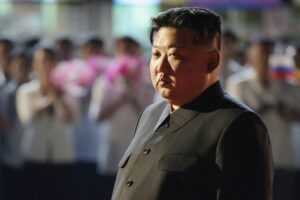
How South Korea’s Next Leader Should Handle Kim Jong-un
South Korea is about to elect a new president. North Korea has changed in recent years. Seoul’s approach to the Kim regime must change to reflect new risks — and Korea’s democratic strength.
2485 Results
South Korea is about to elect a new president. North Korea has changed in recent years. Seoul’s approach to the Kim regime must change to reflect new risks — and Korea’s democratic strength.
Journal of Democracy essays go beyond the page. Here are five recent podcasts featuring JoD authors discussing their essays with historians, journalists, students, and democracy scholars. Listen, read, and learn!
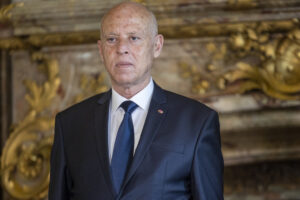
Kais Saied is claiming a landslide election win. The truth is he was never willing to face a real competition. Just how insecure he feels will likely determine how much more repressive he will become.

The country’s military brass has a larger role governing Mexico than at any time in the past eighty years. It’s creating a dangerous dependency that won’t be easy to break. Can the generals be reined in?
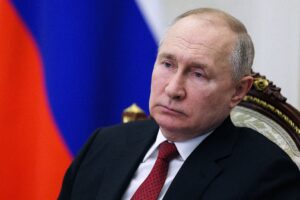
The Russian autocrat wanted to go down in history on par with Russia’s greatest leaders. He is increasingly looking like one of its weakest.

A string of Kremlin-backed military coups have brought a collection of juntas to power. The West should resist calls to placate them, and instead stick to its values and push for a return to civilian rule.

Almost no one thought that an underdog political reformer could defeat Guatemala’s corrupt political machine, but Bernardo Arévalo did just that. Now comes the hard part.
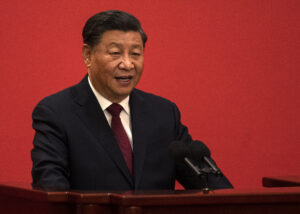
Nationwide protests against Xi Jinping’s zero-covid policy caught the Chinese Communist Party off-guard. Expect the Party’s security apparatus to strike back with quiet precision.
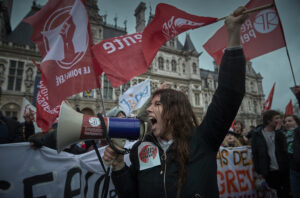
Why are the French protesting this time? Emmanuel Macron is imposing deeply unpopular reforms, and it’s one of the only ways left to check an arrogant and tone-deaf president.
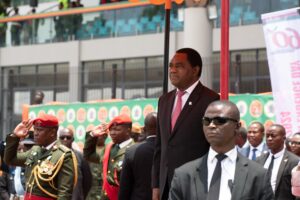
The hope was that President Hakainde Hichilema would bring much-needed reform and openness. Instead, he has ushered in new laws that are silencing dissent and free expression.
Foreign Policy's Democracy Lab recommends Olivier Roy's essay in the July issue of the Journal.
July 23, 2012
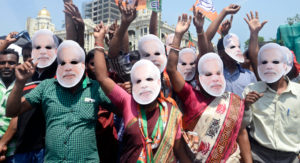
With India’s next general election just a year away, here are five of his Journal of Democracy essays that offer critical analysis of the world’s largest democracy at a crucial time.

Six new podcast episodes featuring JoD authors discussing their essays with political scientists, historians, and journalists. Listen, read, and learn!
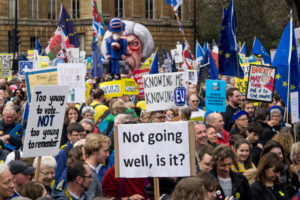
Francis Fukuyama, one of the world’s leading scholars of democracy, has written for the Journal of Democracy more than two-dozen times over the last thirty-two years. The following essays include some of his most incisive, offering bold insights into the relationship between democracy, modernization, and political culture.
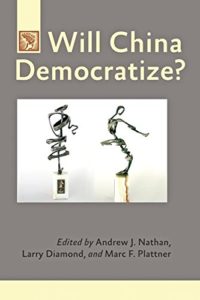
Although China has achieved extraordinary economic success without the CCP regime loosening its authoritarian grip, can the country continue its growth without political reform?
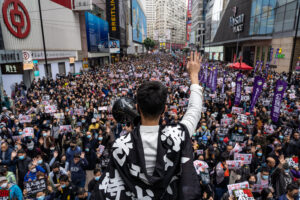
What are the true lessons from Tiananmen Square? Why does nonviolent resistance offer the best chance of challenging the CCP? Hu Ping, a leading Chinese dissident, reflects on the mistakes that were made and what it will take to succeed next time.
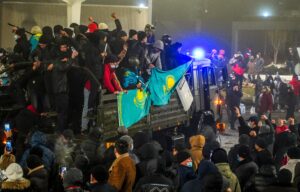
Thousands took to the streets to protest. While the regime promises to listen, its actions make clear: Dissent will not be tolerated.
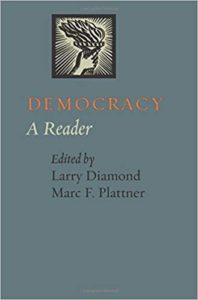
With such influential contributors as Francis Fukuyama, Robert Putnam, His Holiness the Dalai Lama, and Anwar Ibrahim, this is an indispensable resource for students of democracy and instructors at the undergraduate and graduate levels.