
April 2015, Volume 26, Issue 2
Stealing Russia Blind
A review of Putin’s Kleptocracy: Who Owns Russia? by Karen Dawisha.
741 Results
April 2015, Volume 26, Issue 2
A review of Putin’s Kleptocracy: Who Owns Russia? by Karen Dawisha.

April 2023, Volume 34, Issue 2
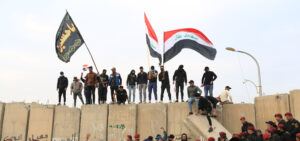
Although Saddam fell twenty years ago, the politicians who have come after him still think like Baathists. But a new generation has begun making itself heard. It believes in Iraq as a nation and it understands democracy as more than a source of spoils to be divided among groups.
April 2024, Volume 35, Issue 2
Liberal societies are those which offer refuge from the very people they empower—through individual choice, mobility, and the possibility of exit. This is the form of liberty that most clearly elevates the liberal project.

April 2024, Volume 35, Issue 2
Around the world, democracy has lost steam. If we are to regain the momentum, we must harness these essential elements and wage the struggle with the conviction that the times demand.
January 2021, Volume 32, Issue 1
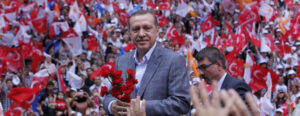
While analysts of populism have focused on economic woes and “cultural backlash,” a thirst for the restoration of order may better explain the appeal of authoritarian populists in fragile democracies where governance is falling short.
October 2018, Volume 29, Issue 4
A review of Tunisia: An Arab Anomaly by Safwan M. Masri.
April 2022, Volume 33, Issue 2
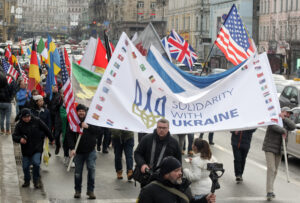
Forget his excuses. Russia’s autocrat doesn’t worry about NATO. What terrifies him is the prospect of a flourishing Ukrainian democracy.

October 2023, Volume 34, Issue 4
AI with superhuman abilities could emerge within the next few years, and there is currently no guarantee that we will be able to control them. We must act now to protect democracy, human rights, and our very existence.
October 2024, Volume 35, Issue 4
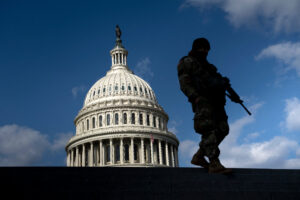
Political violence is rising in wealthy democracies. Polarized societies and bitter party politics are putting candidates and election officials in serious peril. Political leaders, more than anyone, have the power to stoke or stamp out this dangerous cycle of violence.
April 2025, Volume 36, Issue 2
A Ukrainian human-rights lawyer on moral responsibility during war; Nilofar Shidmehr’s poem “Say Her Name: Mahsa Jina Amini”; a Cuban prodemocracy activist vows to never give up; Sviatlana Tsikhanouskaya on Belarus’s sham election; a Zimbabwean journalist turns himself in to police; the frontlines of the protests in Georgia; and an open letter to Xi Jinping.
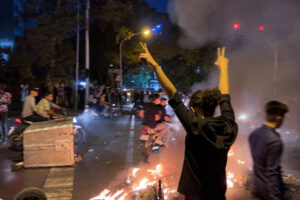
Iran’s women were the Islamic Republic’s first target for repression. This is the newest chapter in their struggle to win back their rights. | Ladan Boroumand
October 2022, Volume 33, Issue 4
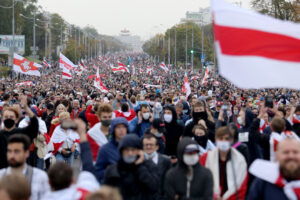
Opposition movements often boycott rigged polls rather than risk legitimizing an autocrat. It is usually a mistake. Here is the playbook for how one opposition seized the advantage.
January 2020, Volume 31, Issue 1
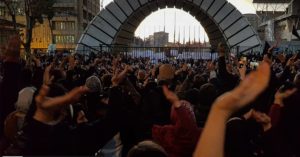
Iran is in the midst of an ideological crisis. Growing numbers of Iranians are rejecting the religious underpinnings of the Supreme Leader’s rule, and turning their backs on the Islamic Republic. The regime’s only response is harsher repression—a response that will deepen the anger that is bringing everyday Iranians out into the streets.
January 2024, Volume 35, Issue 1
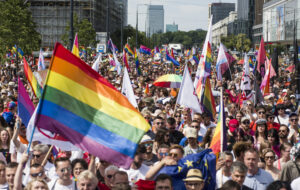
Autocrats have found a new way to turn citizens against liberal democracy: convincing them that LGBTIQ rights, granted and protected in much of the West, pose a threat to their nation and its values.
January 2018, Volume 29, Issue 1
Despite high hopes for progress toward democracy, the military’s power remains stubbornly entrenched, while Aung San Suu Kyi seems to lack the skills to run the government effectively.
October 2024, Volume 35, Issue 4
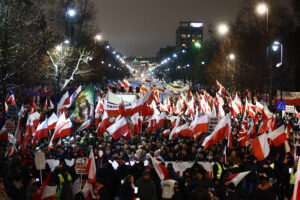
Democracy’s defenders have failed to appreciate the power of nationalism. They must arm themselves with emotionally compelling narratives to counter illiberal foes of free government. When they do, they are championing a winning message.
July 2025, Volume 36, Issue 3
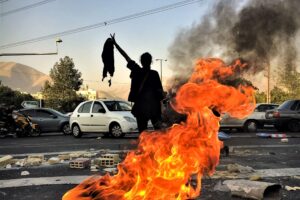
Iran’s theocracy has waged a brutal campaign against its own citizens for years. Now that the Woman, Life, Freedom movement has stripped the regime of any legitimacy, the mullahs have had no response but to sharpen their instruments of repression.

Cash is king, even if you are an activist leading a democratic movement against some of the world’s worst dictators. That’s why Bitcoin has quickly become the currency of choice for dissidents working everywhere.

This is the darkest moment for freedom in half a century. Whether democracy regains its footing will depend on how democratic leaders and citizens respond to emboldened authoritarians and the fissures within their own societies.