

Why Aspiring Autocrats Are Watching Serbia
Aleksandar Vučić is tearing down what remains of Serbian democracy while the West remains silent. Serbia has become a test case for democratic resolve, and the region’s would-be strongmen are taking notice.
2494 Results
Aleksandar Vučić is tearing down what remains of Serbian democracy while the West remains silent. Serbia has become a test case for democratic resolve, and the region’s would-be strongmen are taking notice.

Taiwan’s voters rewarded the ruling party with an unprecedented third consecutive term, despite the mainland’s attempts to intimidate. Expect Beijing to find new ways to threaten the democracy off its coast.

They are organized, nonviolent, and they have come out in great numbers. Guatemalans may also be writing the script on how to defeat democracy’s enemies.
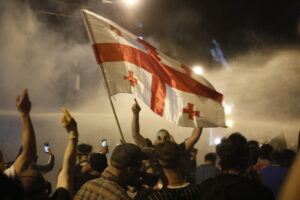
The ruling party is growing more repressive as it draws from Vladimir Putin’s playbook. If the opposition is to push back successfully, they must first unify.

They have been smart, creative, leaderless, and transparent. And they aren’t targeting any one politician or party. They aim to change the entire system.
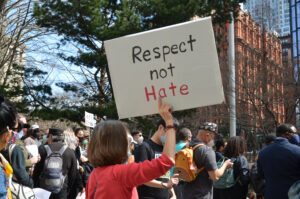
The world increasingly appears afflicted by “us-them” divides that breed anger, resentment, and violence. But across the globe small local groups are mounting a thoughtful resistance against polarization and hate.
Reports on elections in Azerbaijan, Belarus, Finland, Indonesia, Iran, Pakistan, Portugal, Russia, and Zimbabwe.
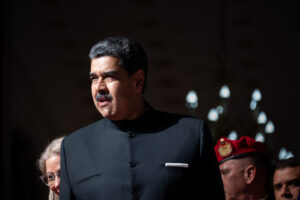
The strongman lost in a landslide, and the Venezuelan people are paying the price.
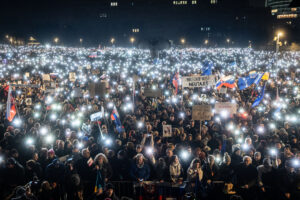
The people have taken to the streets to demonstrate against corruption and Prime Minister Robert Fico’s pro-Moscow policies. Once again, Slovaks see their future in Europe, not Russia.
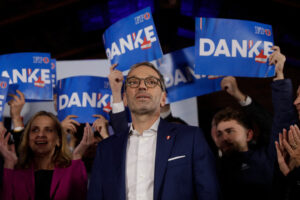
Herbert Kickl and his far-right allies have never hidden their contempt for democratic norms, and they are rising in the polls. But those who want to preserve Austria’s democracy may have one last chance.

The pillars of Sisi’s regime are straining, and Assad’s collapse is raising the pressure. If Egypt is going to follow Syria’s path, these are signals to watch.

The country has a long history of power-sharing deals that are sealed with a handshake. The truth is that this type of political bargaining typically does more harm than good.
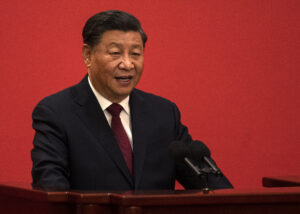
Nationwide protests against Xi Jinping’s zero-covid policy caught the Chinese Communist Party off-guard. Expect the Party’s security apparatus to strike back with quiet precision.
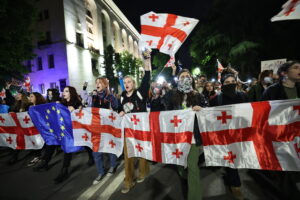
Georgia’s opposition is facing a pivotal election. But it isn’t enough to win: They need to be prepared to move quickly, mobilize the public, and force the regime to concede.
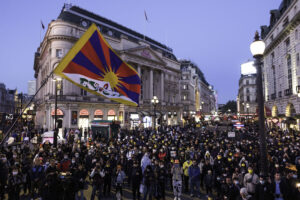
The CCP is engaged in a sprawling campaign to undermine democracy. Governments too often can be lumbering or weak in response. Look to civil society for the creativity and skill to keep the CCP on its heels.
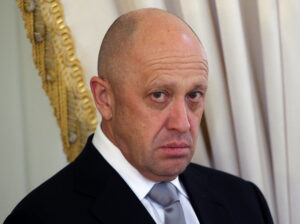
In the days ahead, the West must remain calm—and redouble its support for Ukraine.
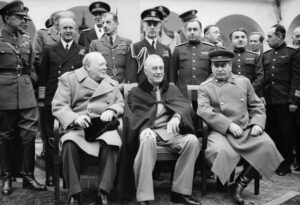
It is tempting to believe the horrors of the past will not haunt our future. Vladimir Putin is proving that we hold such beliefs at our peril.
On 4 June 1989, hundreds, perhaps thousands, of peaceful pro-democracy protesters were killed when the Chinese military opened fire on them in Tiananmen Square. The following are some of our most powerful essays on the meaning of the massacre.
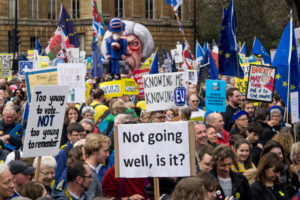
Francis Fukuyama, one of the world’s leading scholars of democracy, has written for the Journal of Democracy more than two-dozen times over the last thirty-two years. The following essays include some of his most incisive, offering bold insights into the relationship between democracy, modernization, and political culture.

The latest issue of the Journal of Democracy covers important and alarming global trends, including political polarization and rising illiberalism, as well the struggle between autocrats and democrats in Africa, Latin America, South Asia, and beyond. Read it before it goes behind a paywall.