
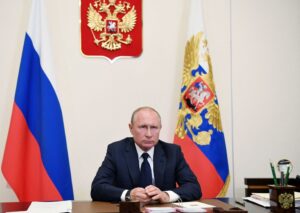
What Does a Humiliated Putin Mean for Russia?
While widespread violence or civil war was averted, the consequences for Russia—and Putin—could be grave.
2116 Results
While widespread violence or civil war was averted, the consequences for Russia—and Putin—could be grave.
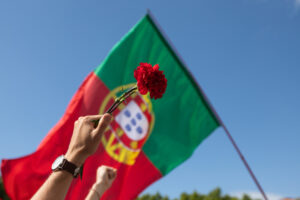
In the 1991 classic, The Third Wave: Democratization in the Late Twentieth Century, Samuel P. Huntington offered a new way of understanding democracy’s global trajectory. Amid rising global populism and increasingly aggressive authoritarian leaders, has Huntington’s framework outlived its usefulness?
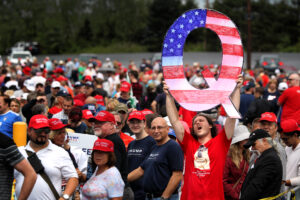
There is nothing inherently menacing or antidemocratic about conspiracy theories. They can even be a source of amusement. The trouble comes when political elites weaponize them to invite violence.

Authoritarian aggression, democratic recession, political violence, nationalism, and far-right resurgence. The latest issue of the Journal of Democracy offers incisive analysis and cogent solutions to these troubling trends across the globe.
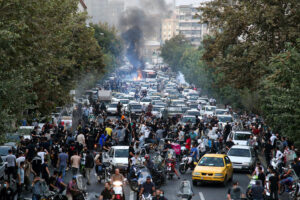
Iranians are once again flooding the streets in protest. How is this wave of demonstrations different?

Marine Le Pen has remade her image to obscure her far-right populism. There is a real risk French voters won’t see through it.
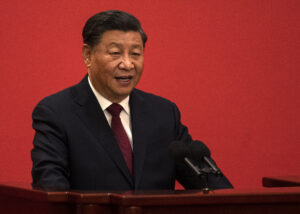
Nationwide protests against Xi Jinping’s zero-covid policy caught the Chinese Communist Party off-guard. Expect the Party’s security apparatus to strike back with quiet precision.
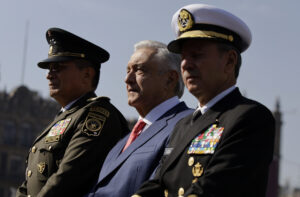
The country’s military brass has a larger role governing Mexico than at any time in the past eighty years. It’s creating a dangerous dependency that won’t be easy to break. Can the generals be reined in?

By choosing Javier Milei, Argentinian voters didn’t just reject the status quo. They have sent their country hurtling in an unknown direction.
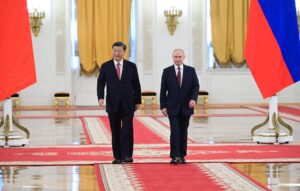
They are benefiting from a world that has grown more hostile for democracy and human rights. But it doesn’t need to be the case. Democracies need to double down on their own competitive advantage.
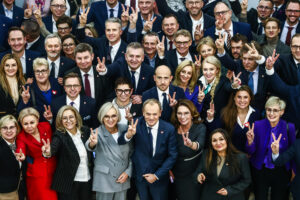
There is no clear roadmap. But Poland may be setting out on its first steps in stamping out populism and holding accountable those responsible for the worst violations of the rule of law.
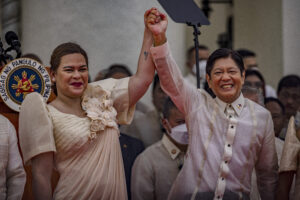
Want to distract the public? Little works better than family feuds ripped from soap opera plotlines. That’s how the Marcos and Duterte clans keep people glued to the drama while crowding out democratic reform.
The Times of India‘s Neelam Raja interviewed JoD coeditor Will Dobson about the 5-essay package on the state of Indian democracy in the July issue of the Journal of Democracy.
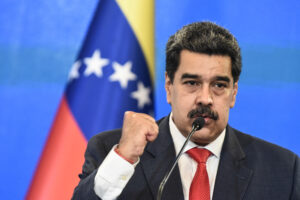
The Venezuelan dictator defied sanctions, international isolation, and massive protests. He appears to have a firmer footing than he’s had in years. Now what?
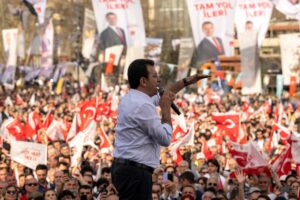
Don’t miss your chance to read the Journal of Democracy’s July issue for free through the 31.
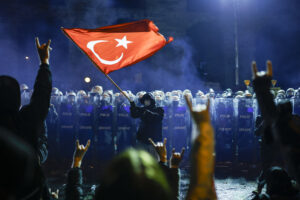
The latest issue of the Journal of Democracy answers some of today’s most pressing questions about democracy, and features essays on Iran, Turkey, Tanzania, the Philippines, and more. But it all goes behind a paywall after July 31. Don’t miss your chance to read the entire issue for free!
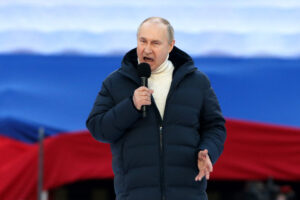
The system that Russia’s autocrat built wasn’t designed to survive the pressures it is now facing.

The French president risked it all to hand the far right a stinging loss. But the celebration can’t last long. If the country is to avoid greater political chaos, voters must be encouraged to think about broader coalitions that go beyond a narrow left-right divide.

El Salvador’s Nayib Bukele may be overwhelmingly popular, but he wasn’t going to let his electoral ambitions hinge on being well-liked. Instead, he rigged the playing field before the first vote was cast.