
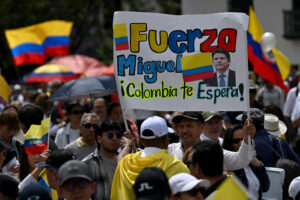
How Drug Wars Destroy Democracy
Colombia’s drug war has ravaged the country — leaving tens of thousands dead, disappeared, or displaced and entire communities broken. Democracy is among the casualties.
3285 Results
Colombia’s drug war has ravaged the country — leaving tens of thousands dead, disappeared, or displaced and entire communities broken. Democracy is among the casualties.
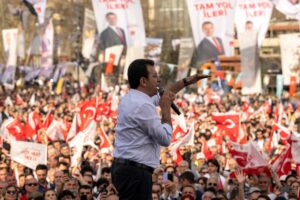
Don’t miss your chance to read the Journal of Democracy’s July issue for free through the 31.
From the early days of this journal to our most recent issue, the JoD editors have compiled ten essays we think you should not miss this summer.
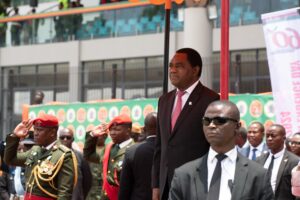
The hope was that President Hakainde Hichilema would bring much-needed reform and openness. Instead, he has ushered in new laws that are silencing dissent and free expression.
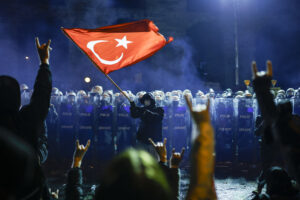
The latest issue of the Journal of Democracy answers some of today’s most pressing questions about democracy, and features essays on Iran, Turkey, Tanzania, the Philippines, and more. But it all goes behind a paywall after July 31. Don’t miss your chance to read the entire issue for free!
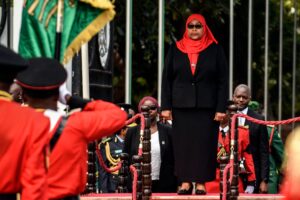
After years of increasingly authoritarian rule, Tanzanian president Samia Suluhu Hassan was hailed as a democratic reformer. But as Dan Paget and Aikande Clement Kwayu write in the July issue of the JoD, the president is more performer than reformer, relying on theatrics to delay real reform while sharpening her tools of repression.
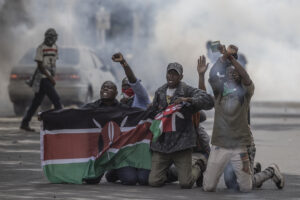
On International Youth Day 2025, the Journal of Democracy celebrates the creativity, determination, and courage of young people across the world fighting for democracy.
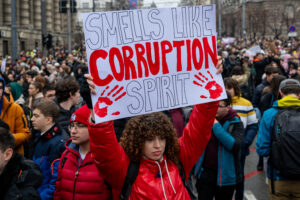
They have been smart, creative, leaderless, and transparent. And they aren’t targeting any one politician or party. They aim to change the entire system.
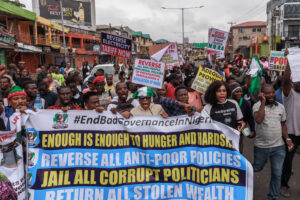
Democracy’s very survival is at the top of our readers’ minds this month. Democratic backsliding is a major concern, but democratic resilience appears shaky at best. Can anything be done? Read this month’s top ten essays to find out.
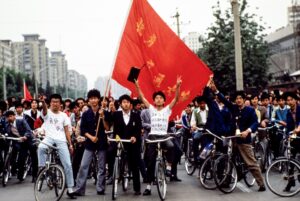
On this International Day of Democracy, we reflect on democracy’s inherent value, try to understand why faith in self-rule is waning, and consider what we can do to strengthen the cause, sharing a selection of milestone essays to aid in this effort.
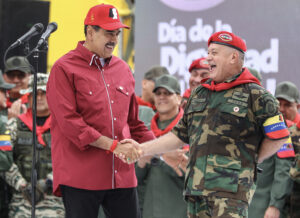
Nicolás Maduro is a mafia boss, not a president, and the Venezuelan government is now a criminal enterprise with the power of a state. It poses a threat to democracies everywhere.
The newly aggressive U.S. policy toward Nicolás Maduro and his autocratic regime, including the recent sinking of alleged Venezuelan drug boats, did not come out of nowhere.

The list of democratic countries suffering from polarized politics is long and growing. The Czech Republic — one of postcommunist Europe’s strongest democracies — is the latest to join.
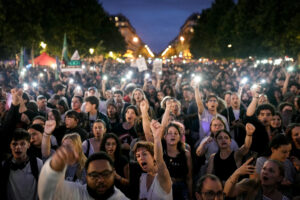
When democracies are clearly outperforming autocracies in so many ways, why the widespread disenchantment with democratic government? Why are democracy and human-rights activists across the globe turning to Bitcoin?

The election of Rodrigo Paz Pereira as Bolivia’s new president signals the end of the MAS era. But it is more than an end to Evo Morales’s leftist party. It showcases how Indigenous political power has transformed the country’s political landscape.
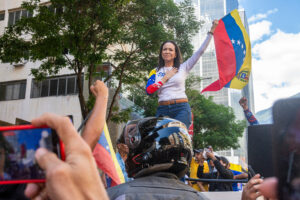
When María Corina Machado was awarded the Nobel Peace Prize earlier this month, she made sure to emphasize that her accomplishments were not hers alone — they were shared with countless other activists agitating for democracy in Venezuela.
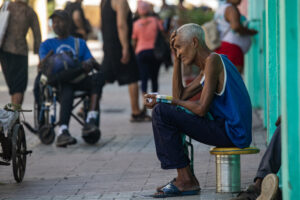
Last week, the UN General Assembly voted overwhelmingly to adopt a resolution condemning the United States’ “commercial and financial embargo” against Cuba. The outcome came as no surprise.
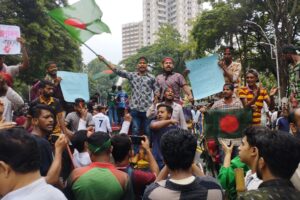
With democracy in trouble across the globe, it’s easy to forget how and why a steady succession of dictatorships fell in the last half of the twentieth century. Democracy’s strengths, and its record, should give cause for hope at a moment when autocracy appears ascendent.
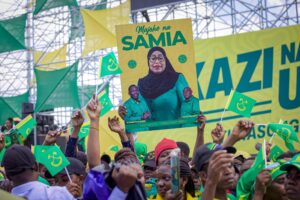
President Hassan promised Tanzanians freedom, transparency, and reform. Instead, she has delivered repression, violence, and arrests as she bars anyone who dares challenge her.
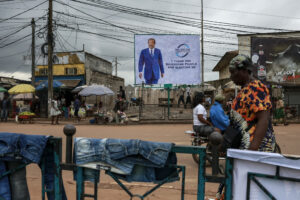
Cameroonians just reelected the 92-year-old Paul Biya in an election that voters rightly view with suspicion. The tensions under the surface don’t bode well for the country or its people.