

Meet the World’s Most Popular Dictator
Who is Nayib Bukele? Meet the president of El Salvador, the world’s most popular dictator.
3081 Results
Who is Nayib Bukele? Meet the president of El Salvador, the world’s most popular dictator.
Host Justin Kempf interviews Michael Ignatieff, author of “The Politics of Enemies,” on the contentious nature of democratic politics—and what happens when the tension grows too great.

This year of elections, just over halfway through, has been nothing short of dramatic, with shocks, upsets, protests, and political violence — most notably, the attempted assassination of Donald Trump last weekend. Democracy is being tested as increasingly polarized voters head to the polls. Will it succumb to division and distrust, or will it withstand its present trials?
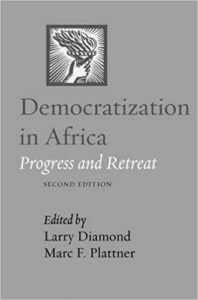
At a time when democracy seems to be in retreat in many parts of the world, Africa presents a more mixed picture. Democratization in Africa: Progress and Retreat brings into focus the complex landscape of African politics by pairing broad analytical surveys with country-specific case studies.

In the April issue of the Journal of Democracy, leading scholars reassess the third wave, its underlying assumptions, and the lessons we should take from democracy’s advance and retreat over the last half-century.
In a follow-up to his widely discussed Washington Post essay “The Strongmen Strike Back,” Robert Kagan recommends the JoD’s January 2019 cluster “The Road to Digital Unfreedom” as a resource on “how new technologies have become tools of dictatorship.”
March 20, 2019
How can liberal democrats take advantage of nationalism’s enduring appeal? How can Western democracies reduce rising political violence? And how can they protect freedom of expression while also preventing the harms such freedom might cause? The following essays from our new issue provide key answers to these important questions.
The Council on Foreign Relations has included Steven Heydemann's JoD essay "Syria and the Future of Authoritarianism" on its list of "Must Reads."
October 22, 2013

Rachel Kleinfeld and Nicole Bibbins Sedaca detail the dangers of deep polarization and lay out steps that leaders and citizens can take to stop the violence.
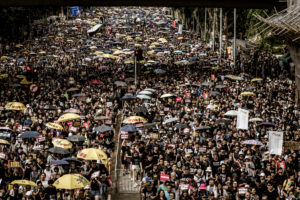
Dictators seem all-powerful—until they’re not. Those brave enough to challenge autocrats have scored some impressive victories in recent months. But how did they do it? And how could other opposition movements succeed where they once failed?

Prime Minister Benjamin Netanyahu’s plan to overhaul the country’s judiciary has sparked unprecedented protests across Israel. Two experts explain the roots of the crisis and what it could mean for the future of Israeli democracy.
The Wall Street Journal published a short version of Perry Link and Xiao Qiang's forthcoming JoD essay "China at the Tipping Point? From 'Fart People' to Citizens."
January 7, 2013
Drawing on her thought-provoking article "The Pipe Dream of Undemocratic Liberalism" from our July issue, Berman discusses the history of illiberal democracy, the relationship between technocracy and populism, and why liberalism and democracy still need one another.
July 20, 2017