
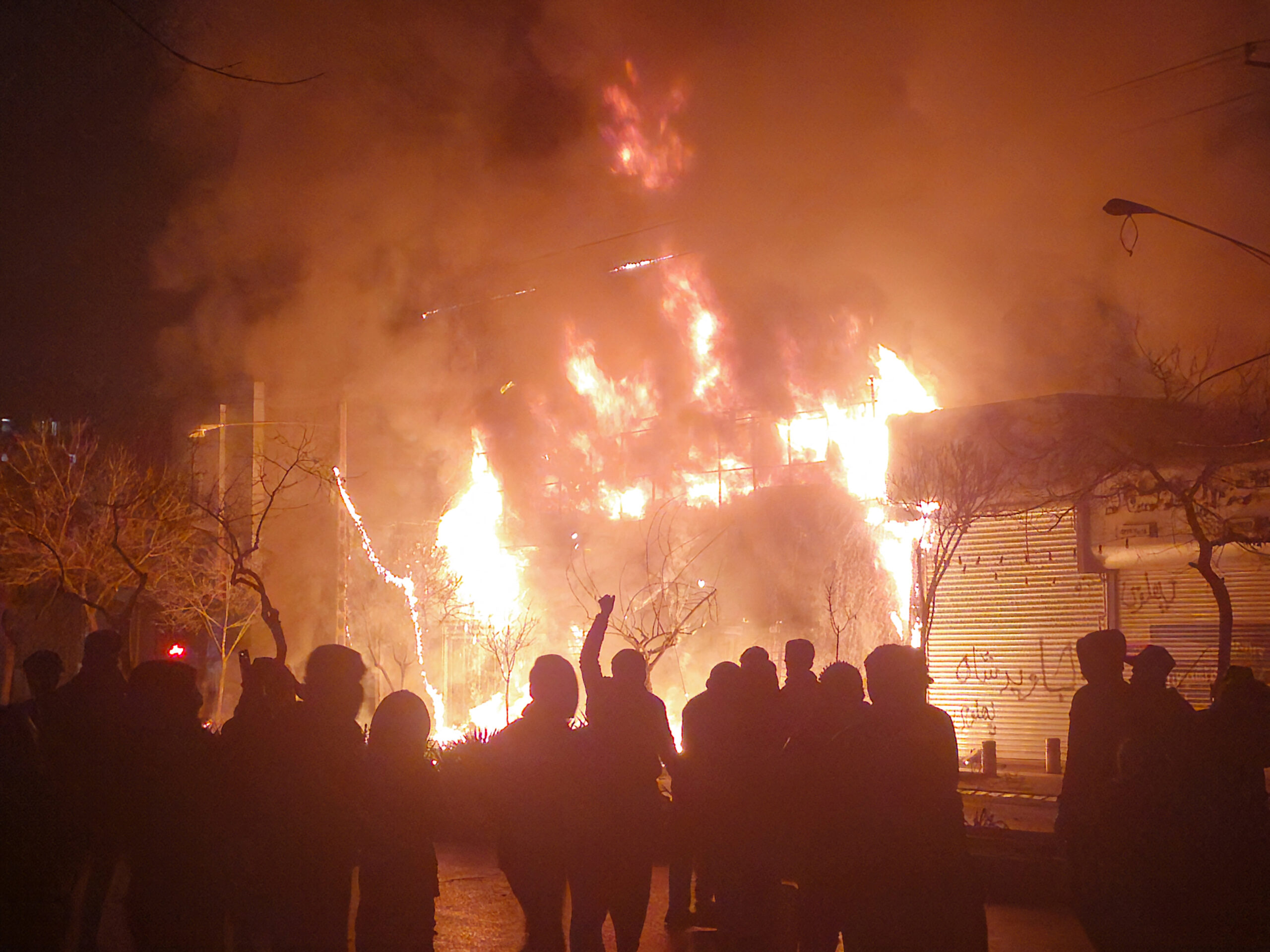
Iran’s hardline government responded to nationwide protests with horrific violence, killing thousands of Iranians in a matter of days. There is nothing the regime can offer its people to regain their support.
By Ehsan Habibpour and Sharan Grewal
January 2026
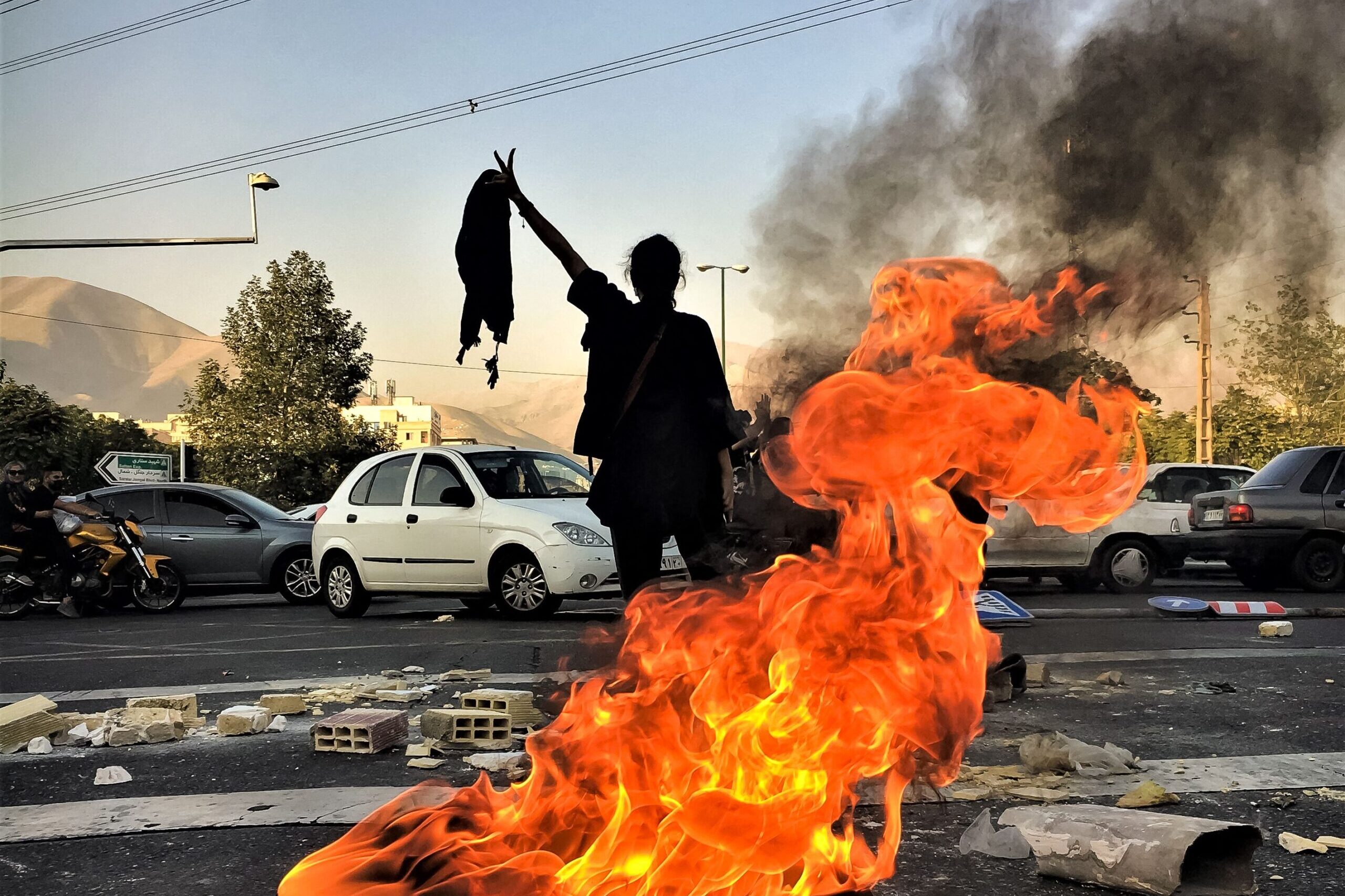
Earlier this month, Iranian authorities killed thousands of protesters, potentially tens of thousands — most of them over the course of just two days, January 8–9. These massacres, aimed at putting down nationwide protests that had begun on December 28, will likely haunt the regime for its foreseeable future. By further delegitimizing the system in the eyes of an already disaffected populace, the deadly repression will make it even more difficult for the regime to win back public support through reforms or concessions. Moreover, it could further fuel the popularity of exiled Prince Reza Pahlavi, who positioned himself as a leader of the opposition during the protests.
From Repression to Resistance
Cases from across the globe show that repression, and in particular mass killings, tends to breed intense bitterness toward the perpetrator regime that can last generations. Whether in Spain, Ukraine, Algeria, or China, people with friends or family who have suffered at the hands of authorities often develop strong antiregime sentiments — and, when the opportunity arises, a greater willingness to take to the streets.
A large share of Iranians today personally knew someone murdered by authorities this month. Thus even people who did not themselves participate in the demonstrations now have a personal grievance with the regime. And among those who did protest, the killings further inflamed their anger with the Islamic Republic.
Although the crackdown, along with the continued presence of security forces in the streets, has temporarily quashed the demonstrations, it has not quelled the fury. Iranians are still chanting antiregime slogans from their windows and rooftops. Given the digital blackout, comprehensive real-time evidence was difficult to obtain in the initial weeks; but reports that have emerged from inside Iran point to a level of shock, anger, and disgust with the regime that has become even deeper than before the massacres. “We are left with more anger and desperation in a sad city,” one protester told the Financial Times. “This regime has no sense of humanity,” noted another to a New Yorker reporter, after seeing an eight-year-old child shot in the chest. Raising photos of the dead, a group of mourners chanted, “This is the year of bloodshed, Khamenei will be toppled.”
The Impossibility of Reform
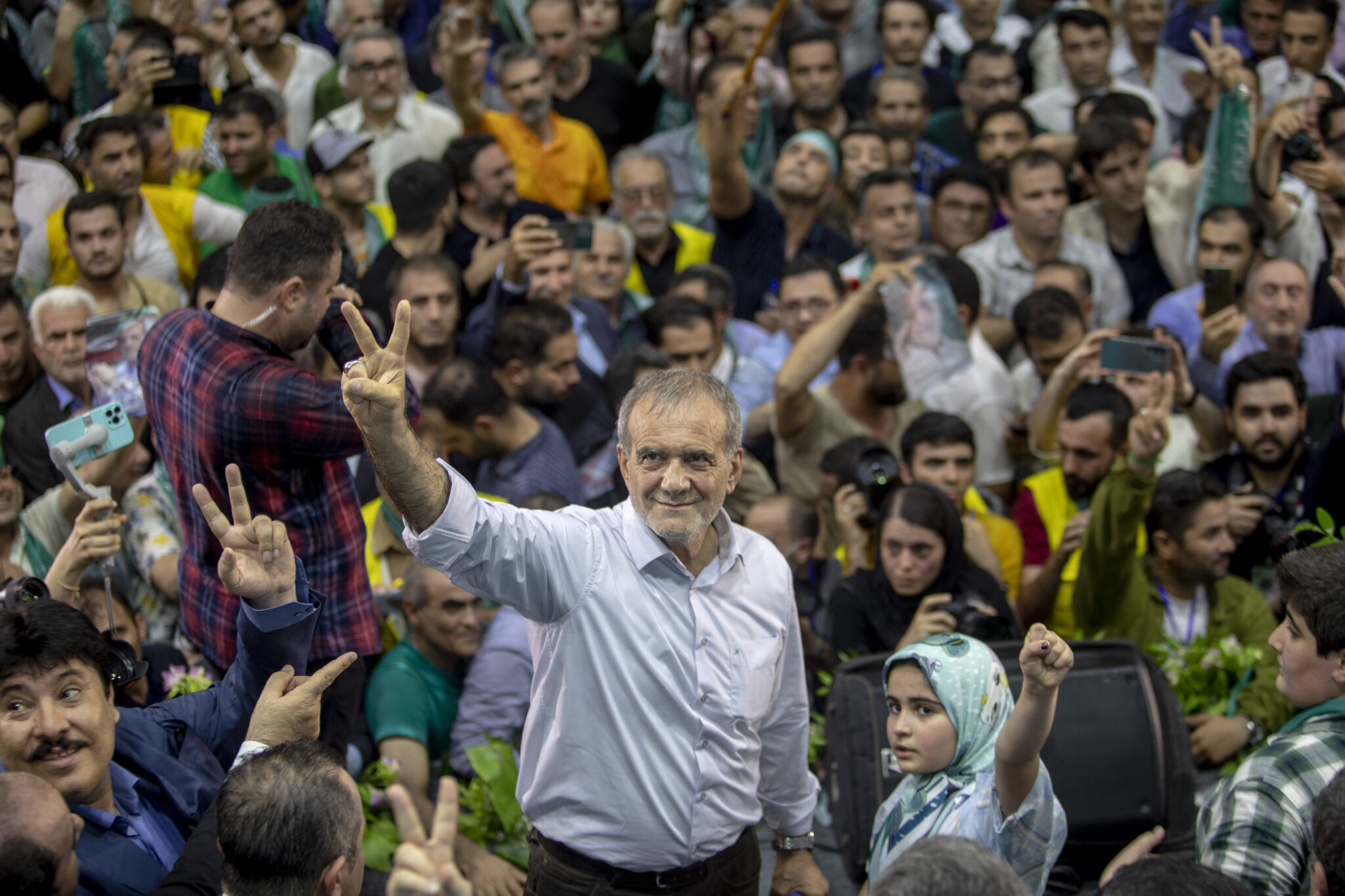
This widespread rejection of the system will make it almost impossible for the Islamic Republic to win back any public support. After previous uprisings, the clerical regime weathered the storm by offering concessions and reforms — bringing in a moderate, such as former President Hassan Rouhani (2013–21), or a reformist like the current president, Masoud Pezeshkian (elected in 2024), negotiating with the United States to get sanctions lifted, or temporarily easing enforcement of the mandatory hijab.
But such ploys, none of which produced meaningful change, are no longer credible. It was, in fact, a growing disillusionment with the very idea of reform, even among Pezeshkian voters, that had motivated the 2025–26 protests in the first place. The reformist president has not improved the lives of everyday citizens. Under his rule, Iranians have seen only continued isolation, economic deterioration, war, and expanded censorship and repression — in direct contradiction to the promises Pezeshkian himself had made — producing a deeper and broader sense that reforming the system is impossible.
Reformist voices, with their responses to the violence, have by now lost even more credibility. Defending the regime, some, including Pezeshkian, effectively denigrated the protesters as terrorists, while others like former President Mohammad Khatami (1997–2005) blamed the protests on a foreign plot. In the eyes of many Iranians, the purported reformists have shown that they are loyal to the system and unwilling to break with the regime even in the face of such large-scale massacres.
The Return of the Shah
With the entire system delegitimized, it is no wonder that Iranians have increasingly turned toward the Islamic Republic’s antithesis: Reza Pahlavi, the exiled heir to the pre-1979 monarchy. Over the course of the recent protests, there were increasing calls for Pahlavi’s return, with demonstrators chanting “Javid Shah (long live the king)” and “This is the last battle. Pahlavi will return.” The widespread adoption of these slogans across the country suggests that there is genuine support for Pahlavi, at least as a transitional figure.
That growing acceptance of an alternative to the regime makes its demise more likely and narrows the uncertainty of what a transition would look like. Pahlavi, for his part, has been keen to secure defections from within the regime, rejecting “de-Baathification” and promising that any police and Revolutionary Guard members who have kept their hands clean of repression could continue to serve. If so, the security forces could potentially envision a place for themselves in a post–Islamic Republic order.
No “Venezuelan Solution”
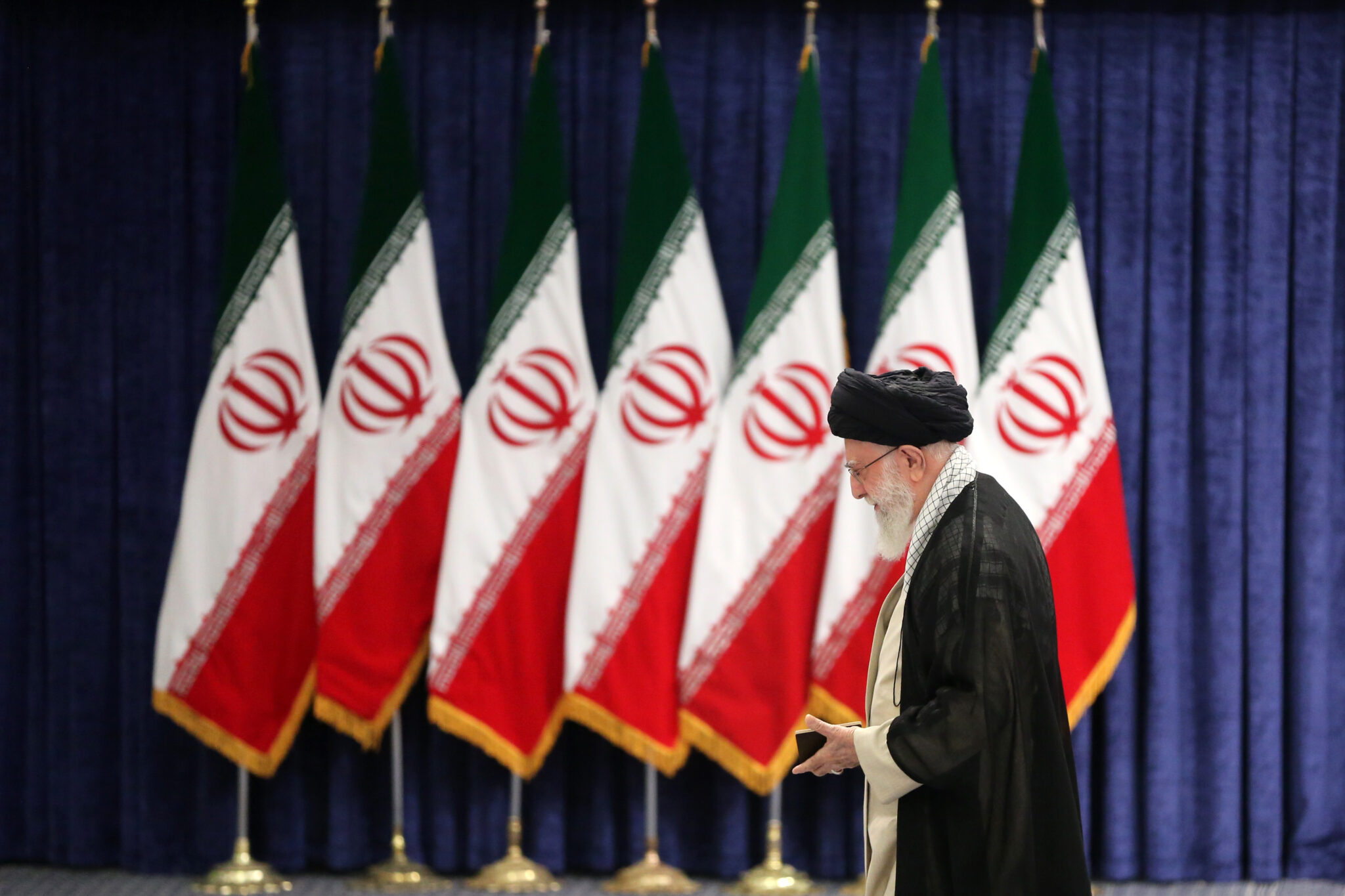
At the same time, the massacres underscore that there is, and will be, no “Venezuelan solution” in Iran. Since U.S. forces captured Venezuelan president Nicolás Maduro on January 3, there has been speculation that a similar operation or deal could be pursued in Iran to remove Supreme Leader Ayatollah Ali Khamanei and leave behind a loyal regime lieutenant — an Iranian equivalent of Delcy Rodríguez. It remains to be seen how things will play out in Venezuela. But in Iran, especially after the massacres, there is no one within the regime whom protesters would trust to rule. Resistance would continue whether a reformist or a hardliner were installed in Khamanei’s place. The massacres have created a sea of blood between society and the entire regime that will be near impossible to bridge. The United States will therefore not be able to simply reshuffle Iran’s regime as it did with Venezuela’s, and instead would have to commit to regime change — a more intensive and costly intervention.
In short, through intense repression, the Islamic Republic has managed to survive another day, but at a significant cost. The massacres have deepened antiregime sentiment across society in powerful ways, even if the long-term political consequences remain uncertain. What is clear is that mass violence has further discredited all internal figures associated with the system, and elevated Pahlavi as the major alternative. Unable to reform, and now facing a more unified opposition, the Islamic Republic will be haunted by the very massacres that helped it to survive.
Ehsan Habibpour is a PhD student in the Department of Government at American University. Sharan Grewal is assistant professor of government at American University and a nonresident senior fellow at the Brookings Institution.
Copyright © 2026 National Endowment for Democracy
Image credit: Majidreza / Middle East Images / AFP via Getty Images
|
FURTHER READING |
||
The Islamic Republic’s War on Iranians |
Why Iran Is Entering a Dangerous MomentThe country’s recent elections revealed deep fissures in Iranian society and there is already growing disillusionment with the new president. With mounting economic worries, Iran is in a volatile state. |
|