

Defending Democracy Must Begin in the Classroom
There are no heroes coming to save our democracy. If we are to mount a defense, it must begin with students learning the necessary skills in the classroom.
There are no heroes coming to save our democracy. If we are to mount a defense, it must begin with students learning the necessary skills in the classroom.
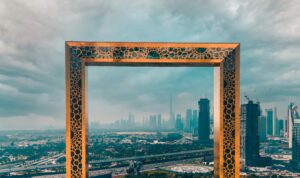
It’s happening in plain sight—and no one’s even trying to hide it.
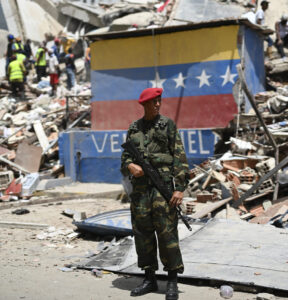
From state officials taking selfies amid the rubble to soldiers looting, Venezuela’s earthquake response reveals why corrupt authoritarian governments fail so badly when disasters strike.

Peruvians just narrowly elected Keiko Fujimori their next president. But the country’s political fragmentation combined with the manipulation of illiberal incumbents has left the majority of the country feeling unrepresented.

On the anniversary of America’s independence, it is a good moment to consider the state of this unprecedented experiment.
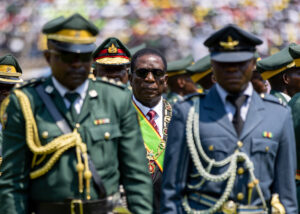
President Emmerson Mnangagwa wants to cling to power above all else, and he has launched a new effort to extend his reign. But, if they act fast, there is still time for Zimbabwe’s opposition and the international community to stop him.

With global democracy threatened by China, Russia, and their fellow autocrats, how can America help secure a democratic future? The world’s liberal democracies must pursue a strategy of “defensive liberalism” to defend the freedoms we value most.
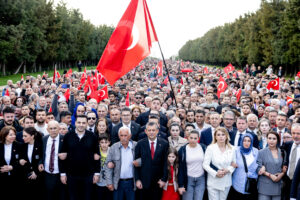
Since winning Turkey’s 2023 national election, President Erdoğan and the ruling AK Party have seen their popularity plummet. In response, they’ve ramped up their repression of the main opposition party — most notably, jailing its presidential candidate, Istanbul mayor Ekrem İmamoğlu and removing party leader Özgür Özel.
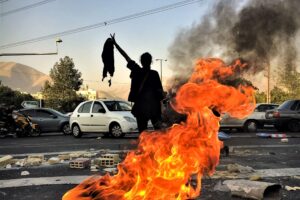
The United States and Iran formally signed a 14-point memorandum of understanding on June 17. Under the terms, which include ending sanctions on Iran, releasing its frozen funds, and pledging not to interfere in each other’s internal affairs, both sides have agreed to a 60-day ceasefire to allow further negotiations toward a final peace deal.
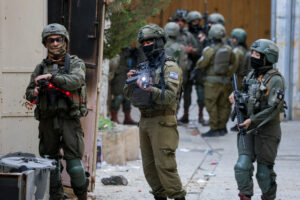
Extremist violence by Jewish Israelis in the West Bank is surging. But if you can’t articulate the threat you can’t combat it. Start with a basic principle: Name the ideology, not the demographic.
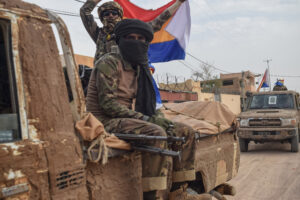
Mali’s spiraling security crisis puts its entire region at risk. A return to democracy will be key to preventing the country from becoming a terrorist safe haven in West Africa.

Immigration to the West has long been soaring, as growing numbers of people flee hunger, poverty, and war. This surge of migrants has taken a toll on the democracies they wish to call home, many of which are struggling to serve even their own citizens.

The Chinese Communist Party has sought to control the Tibetan people by attacking their religious leaders. But the strategy has failed. Faith can’t be commanded or coerced.
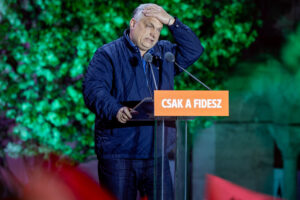
Viktor Orbán election defeat last month stunned many people. But in truth it’s not uncommon for would-be autocrats to lose at the ballot box. It’s a more hopeful picture than many people realize.
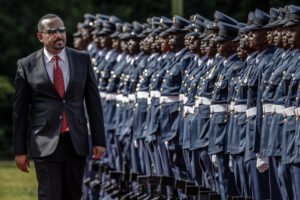
Ethiopia’s elections are more like performative rituals than democratic contests. But these hollow exercises are becoming more dangerous as the country stares down a series of looming threats.

When democracies pass laws against hate speech and extremism, they are giving autocrats the cover they need for their own crackdowns. We shouldn’t let democratic norms become a blueprint for repression.
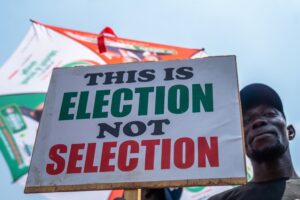
You hear the term “competitive authoritarianism” all the time these days. It was first introduced in the Journal of Democracy by Steven Levitsky and Lucan Way in 2002 to describe a type of political regime that is neither democratic nor fully authoritarian.

Beijing is engaged in a deliberate and devastating war on Tibetan heritage, culture, and memory. And in this war, the Chinese Communist Party’s chief target is Tibetan children.
President Erdoğan’s rule has grown more repressive as he realizes he has no democratic path to power. But we are united in our resolve and determined to make Turkey a democratic republic worthy of its people.
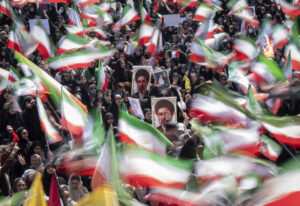
The progovernment rallies that crowd Iran’s streets are no accident. They are a critical and underappreciated pillar of the regime’s strength, and they are shaping Iran’s response to the war.