
Read the full essay here.
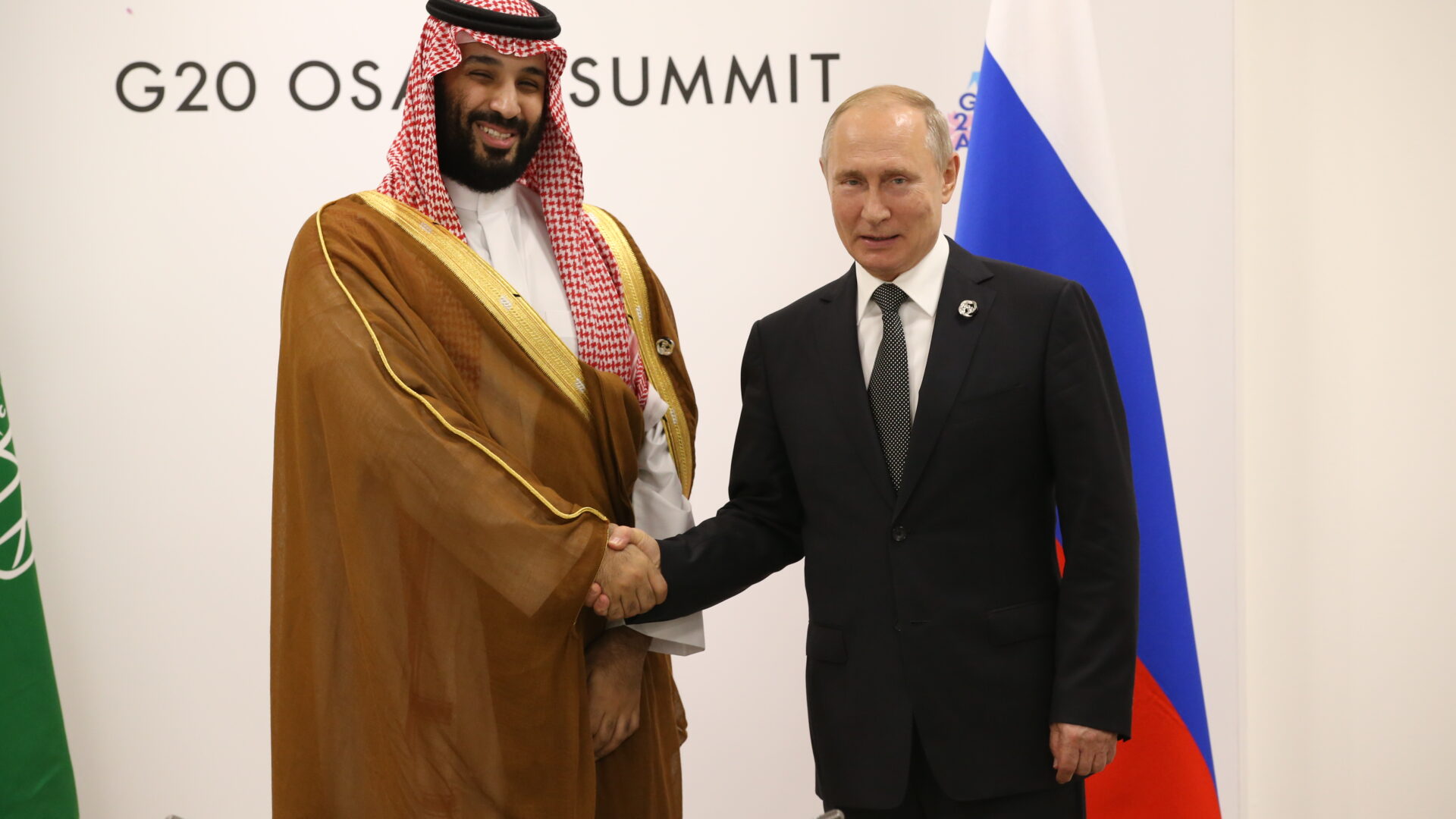
Political leaders such as Canadian Prime Minister Mark Carney have urged the world’s “middle powers” to unite in defense of democracy and the liberal rules-based order. While laudable, such appeals rest on an outdated conception of middle powers as largely benign democratic actors committed to providing global public goods. In reality, many middle powers are authoritarian and are more likely to contribute to the erosion of global norms and institutions than to efforts to sustain them. Drawing on evidence from cases including the United Arab Emirates, Saudi Arabia, and Turkey, this essay presents a new framework to understand how authoritarian middle powers use alliances with their democratic counterparts to hedge their bets while simultaneously undermining liberal multilateral institutions, promoting autocratic ideals, and engaging in cross-border repression. These practices merit greater attention because they serve to dilute global human-rights commitments, normalize authoritarian governance, and accelerate the unravelling of the international rules-based order.
Image credit:Mikhail Svetlov/Getty Images