
Read the full essay here.
This essay argues that explanations of democratic backsliding have overlooked a quiet but powerful mechanism: emigration. While economic inequality, cultural backlash, and authoritarian learning all matter, the author contends that the selective departure of a country’s most educated, worldly, and democratically inclined citizens reshapes the politics of the places they leave behind. Drawing on Gallup World Poll data spanning some 120 countries, the essay shows that dissatisfaction with governance is among the strongest predictors of the desire to leave. As these citizens exit, liberal opposition coalitions thin, civil society loses organizers and donors, and democratic norms lose their everyday reinforcement—turning “exit” into a substitute for “voice.” The result is “democratic drain,” a hidden demographic underpinning of authoritarian resilience. Backsliding, the essay concludes, is as much about who leaves as about who remains, and that selective exodus must be treated as politically consequential.
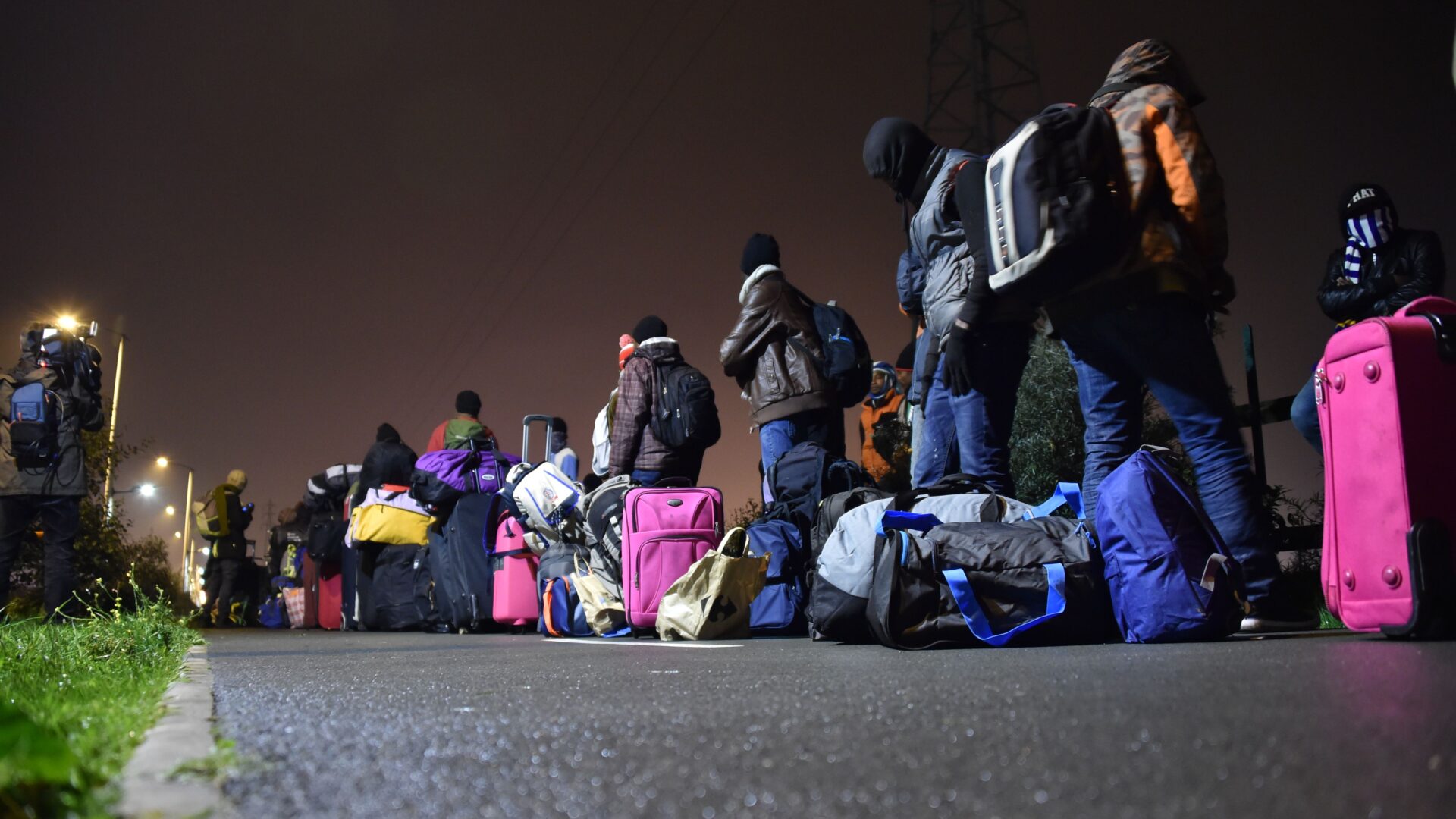
Image Credit: PHILIPPE HUGUEN/AFP via Getty Images