
Read the full essay here.
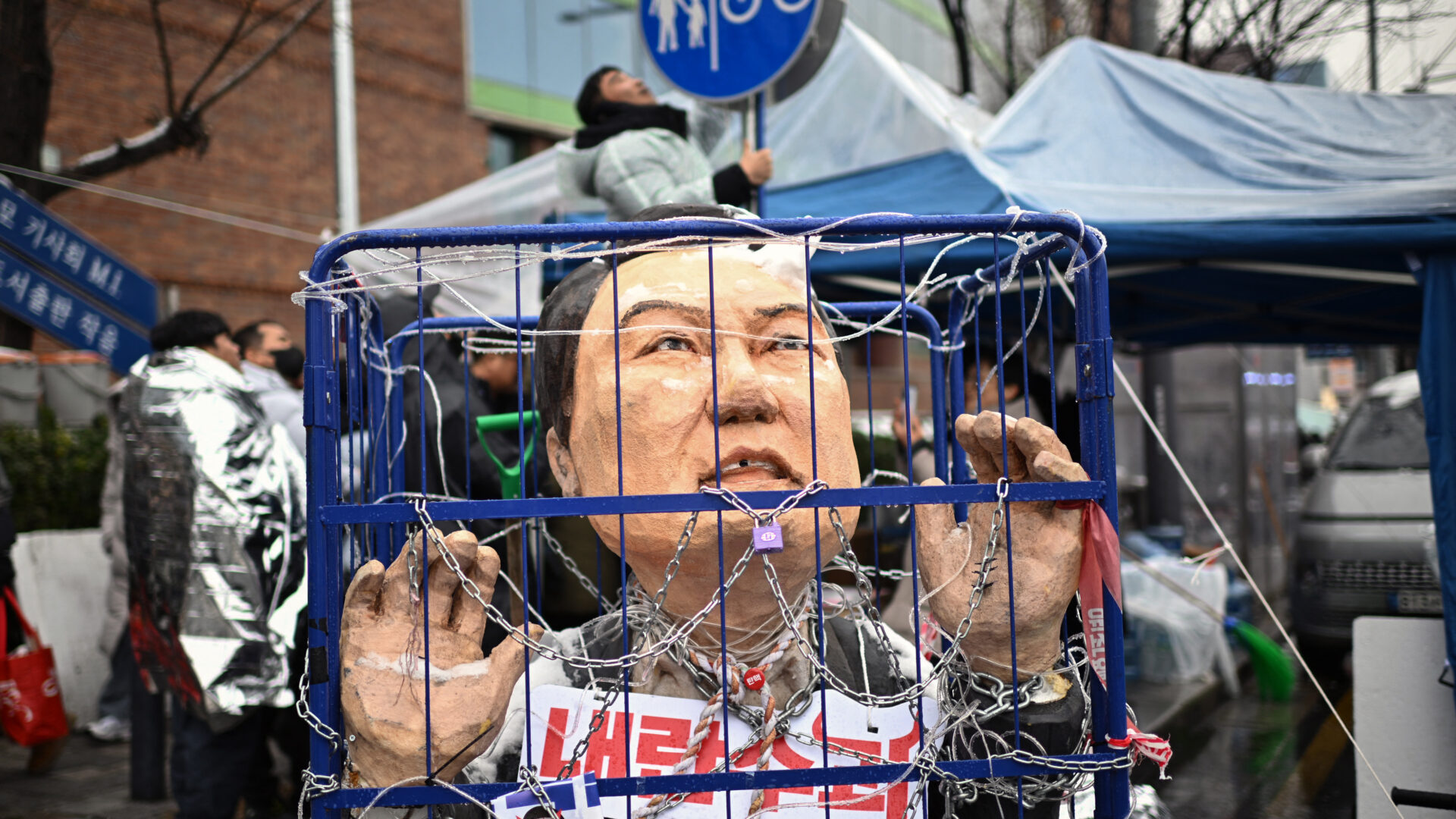
This essay opens with President Yoon Suk Yeol’s stunning six-hour declaration of martial law in South Korea in December 2024 to challenge a comforting assumption: that East Asia’s leading democracies—Japan, South Korea, and Taiwan—have weathered the global wave of backsliding unscathed. Often ranked alongside Europe’s consolidated democracies, the three are better understood, the author argues, as “incipient backsliders” exhibiting norm violations that have quietly grown since the early 2010s. Yoon’s self-coup, though swiftly crushed, exposed how even a wealthy, democratically committed society remains vulnerable. The deeper threat is polarization, which in South Korea is both the main driver of democratic decay and the chief obstacle to repairing it; Taiwan’s fate, meanwhile, hinges on deterring Beijing and on whether the KMT will defend democratic rules under which it increasingly struggles to win. Backsliding demands firmer institutional safeguards and bipartisan resistance to power grabs, the author concludes, before the incipient becomes entrenched.
Image Credit: PHILIP FONG/AFP via Getty Images