
Read the full essay here.
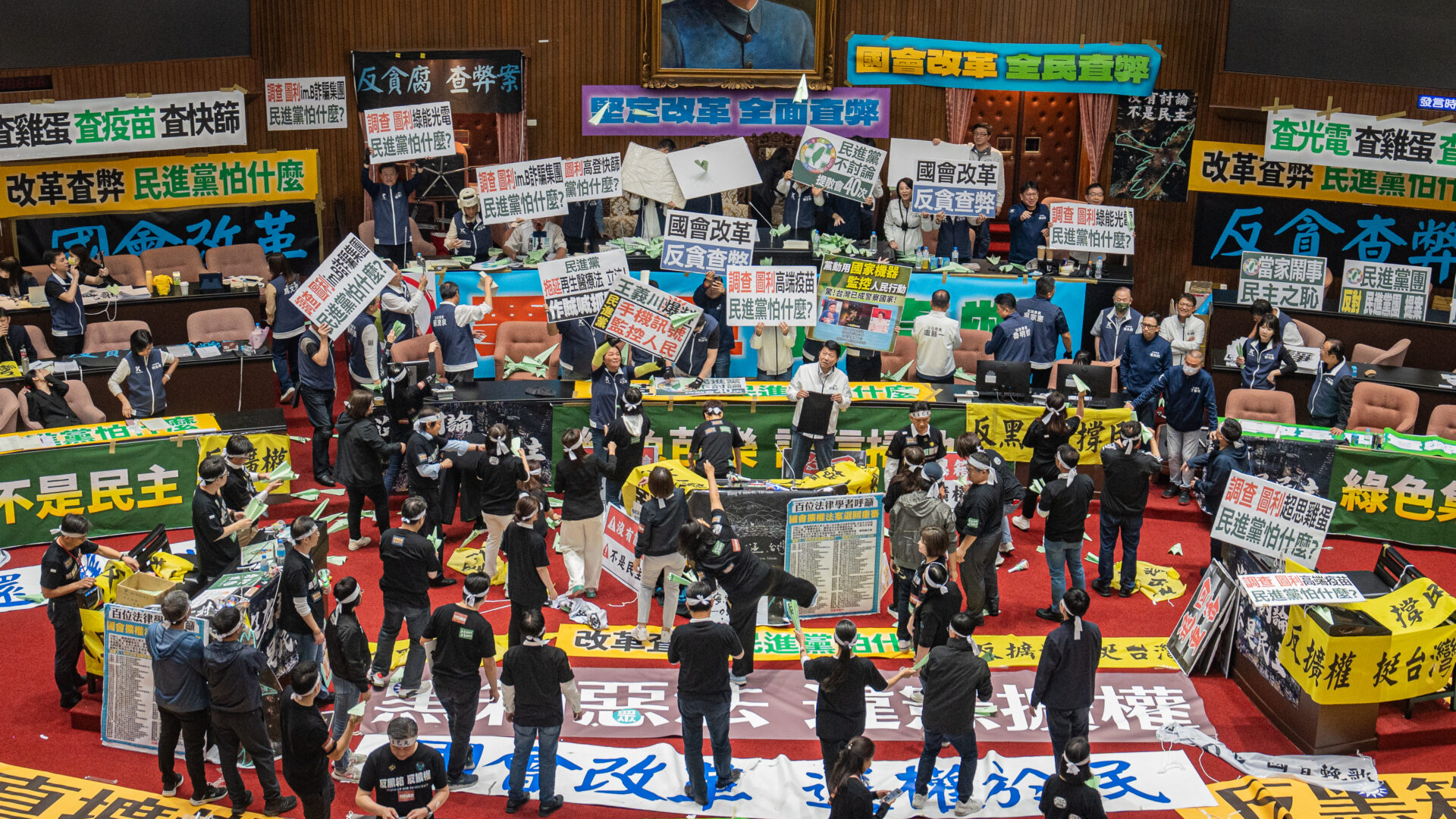
In May 2024, Taiwan’s President Lai Ching-te took office while facing off against an opposition party majority in the legislature. Since then, the island has been caught in a slowly escalating constitutional crisis. The Constitutional Court is now paralyzed, key regulatory bodies sit vacant, the annual budget bill is a half-year late, and the premier has refused to countersign legislation. This political dysfunction has been blamed on nationalist polarization, PRC influence, or reckless and irresponsible opposition parties, but these explanations overlook a simpler cause: Taiwan’s institutions are simply not well-designed to handle divided government. The political system lacks adequate safeguards to protect the independence of accountability institutions. Unified government masked this design flaw for many years, but it now threatens Taiwan’s democracy.
Image Credit: Man Hei Leung/Anadolu via Getty Images