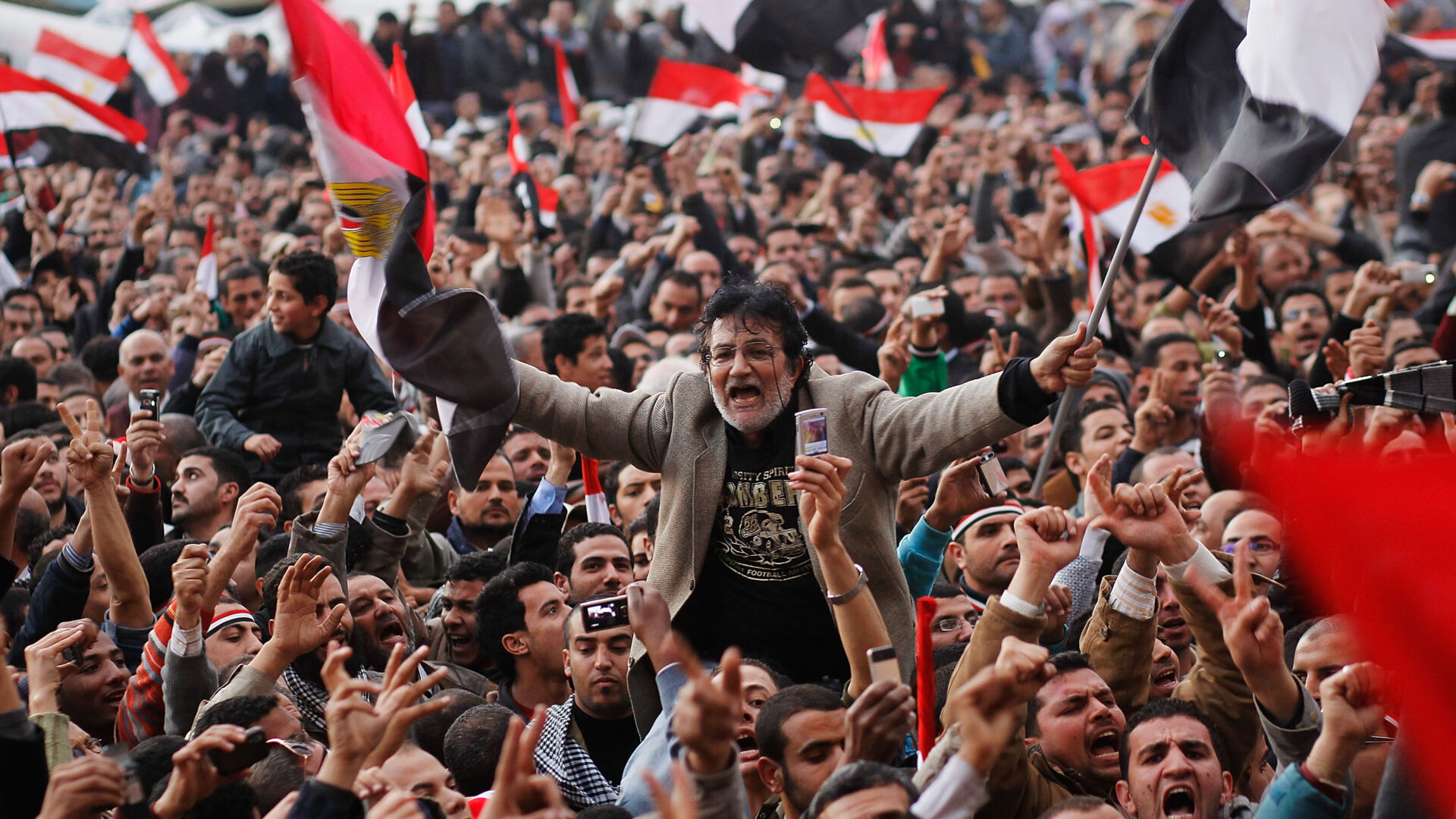
How can one technology—social media—simultaneously give rise to hopes for liberation in authoritarian regimes, be used for repression by these same regimes, and be harnessed by antisystem actors in democracy? We present a simple framework for reconciling these contradictory developments based on two propositions: 1) that social media give voice to those previously excluded from political discussion by traditional media, and 2) that although social media democratize access to information, the platforms themselves are neither inherently democratic nor nondemocratic, but represent a tool political actors can use for a variety of goals, including, paradoxically, illiberal goals.
About the Authors
Joshua A. Tucker
Joshua A. Tuckeris professor of politics and a cofounder and codirector of the Social Media and Political Participation (SMaPP) laboratory at New York University.
Margaret E. Roberts is a professor in the Department of Political Science and the Halıcıoğlu Data Science Institute of the University of California, San Diego.
The Chinese Communist Party is dreaming an authoritarian techno-dream that is a democrat’s nightmare: ever more fine-grained state control made possible by using AI networks to pry and spy everywhere.…
Decentralized governance allows communities to enact policies that reflect their values. But in the digital age, when news spreads far and fast, what’s happening in one place may inflame citizens’…
In China, the Internet is not merely contested space between citizen and government. It is also a catalyst for social and political transformation, offering the possibility of better governance with…