
January 2022, Volume 33, Issue 1
Exchange: Why the Future Is (Still) Democratic
The “democratic deconsolidation” thesis is overblown. Emancipative values continue to spread worldwide, and clearly point to brighter democratic days ahead.
3272 Results
January 2022, Volume 33, Issue 1
The “democratic deconsolidation” thesis is overblown. Emancipative values continue to spread worldwide, and clearly point to brighter democratic days ahead.
October 2024, Volume 35, Issue 4
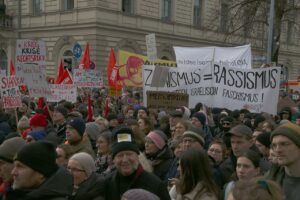
Immigration has changed the face of Western Europe. Yet mainstream political parties have largely ignored citizens’ concerns about what immigration means for their societies, leaving them ripe for far-right populists to exploit.
October 2013, Volume 24, Issue 4
A review of The Promise of Power: The Origins of Democracy in India and Autocracy in Pakistan by Maya Tudor.

The French president risked it all to hand the far right a stinging loss. But the celebration can’t last long. If the country is to avoid greater political chaos, voters must be encouraged to think about broader coalitions that go beyond a narrow left-right divide.
July 2016, Volume 27, Issue 3
As more and more African presidents attempt to remove or circumvent constitutional term limits, African populations increasingly are mobilizing en masse, at great risk, to defend their constitutions.
October 2011, Volume 22, Issue 4
In a runoff between candidates with dubious democratic credentials, former antisystem outsider Ollanta Humala defeated Keiko Fujimori by attracting votes from the middle class.
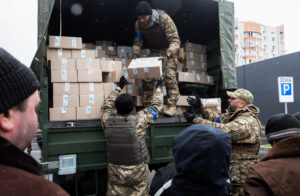
Afghanistan taught us that a firehose of unaccountable aid can destroy a country’s democratic future. In Ukraine, we are making the same mistake all over again. | By Jennifer Brick Murtazashvili and Nataliia Shapoval

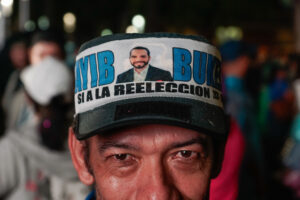
In 2021, democracy’s fortunes were tested, and a tumultuous world became even more turbulent. Democratic setbacks arose in places as far flung as Burma, El Salvador, Tunisia, and Sudan, and a 20-year experiment in Afghanistan collapsed in days. The world’s democracies were beset by rising polarization, and people watched in shock as an insurrection took…
Of course not. But the region’s democratic hopes are fighting an uphill battle against corruption, crime, and a violent past.
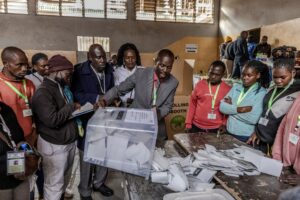
Across the globe, the people who run our elections are being undermined, targeted, and attacked. Here is how to shore them up—and protect democratic institutions, too. | By Fernanda Buril and Erica Shein
July 2014, Volume 25, Issue 3
Read the full essay here. The Editors’ introduction to “The Maidan and Beyond.”
October 2002, Volume 13, Issue 4
The Editors’ introduction to “Democratization in the Arab World?”
January 2002, Volume 13, Issue 1
The Editors’ introduction to “South Asia Faces the Future.”
October 2001, Volume 12, Issue 4
The Editors’ introduction to “Ten Years After the Soviet Breakup.”
January 2000, Volume 11, Issue 1
The Editors’ introduction to “Democracy in the World.”
Summer 1990, Volume 1, Issue 3
Read the full essay here.
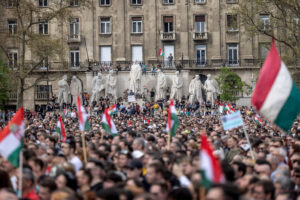

January 2025, Volume 36, Issue 1
With illiberal forces ascendant across the globe, protecting individual liberties and the democratic process is crucial. But when institutions empower minority groups over the majority, can democracy survive?
April 2024, Volume 35, Issue 2
Far-right parties in Europe’s newer democracies have been working hard to appeal to younger citizens, and for good reason: Young people’s shifting values make them a ripe target for the far right.

Online Exclusive by Casey Cagley | Across Latin America, former leaders are keeping a chokehold on their countries’ politics. It’s time their successors break free.
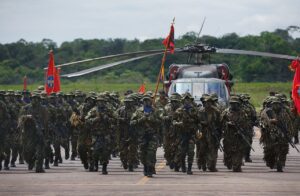
Organized criminal groups in Latin America have money, firepower, and a stranglehold on political life — making them incredibly difficult to defeat. How can countries in the region curb the violence and revive democracy?