
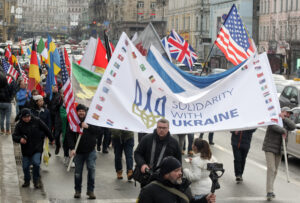
What Putin Fears Most
Forget his excuses. Russia’s autocrat doesn’t worry about NATO. What terrifies him is the prospect of a flourishing Ukrainian democracy.
3285 Results
Forget his excuses. Russia’s autocrat doesn’t worry about NATO. What terrifies him is the prospect of a flourishing Ukrainian democracy.
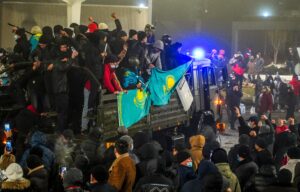
Thousands took to the streets to protest. While the regime promises to listen, its actions make clear: Dissent will not be tolerated.
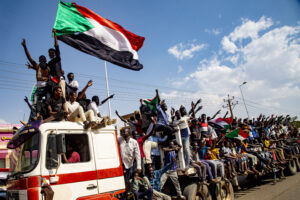
The country just got a new chance to restore its democratic transition. Here’s how they can ensure that Sudan stays on the right path.
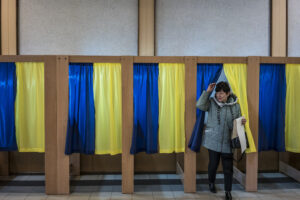
Russia’s brutal ongoing invasion is preventing Ukrainians from holding a presidential election and the campaigning that comes with it. What does that mean for Ukraine’s democracy?
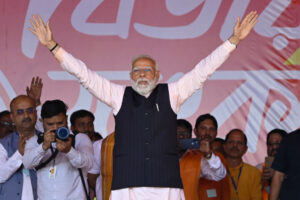
Voters are choosing more than the parties and politicians who will represent them. It is something more basic: The future of India’s secular democracy is on the ballot.
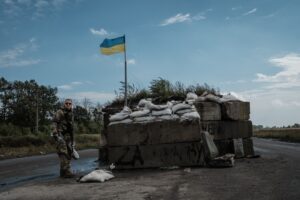
Putin doesn’t care how many of his troops die. He is looking to win a war of attrition. On the second anniversary of Russia’s invasion, Ukraine needs the West’s help—and it needs it now.
Billions in much-needed American military aid are now headed for Ukraine. The following Journal of Democracy essays demonstrate what it will take to reverse the course of this war of attrition, and why this struggle is a “contest between democracy and dictatorship.”
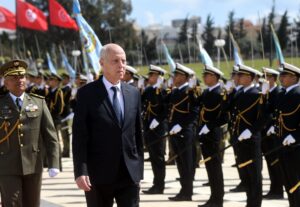
If you want to understand why generals support a presidential power grab, then you need to understand the logic that motivates them. Why they leave the barracks — and what we must do to get them to stand down.
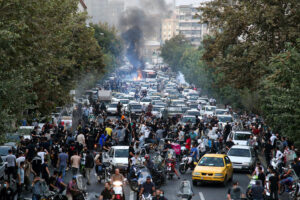
Iran’s president, Ebrahim Raisi, died in a helicopter crash on Sunday. The mullahs may become more repressive in the lead up to the next presidential election. Read about Iran’s most recent wave of unrest, and explore why it may “only [be] a matter of time before a new wave erupts.”
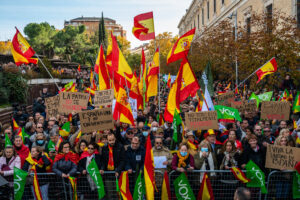
A week from today, voters across all 27 European Union countries will head to the polls to elect the next European Parliament. The following Journal of Democracy essays chronicle the far right’s rise across Europe and consider the dangers it presents in the region and beyond.
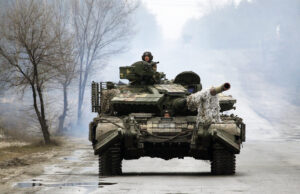
Leading experts explain the significance of Prigozhin’s rebellion and what it means for Putin, his regime, and the ongoing war in Ukraine.
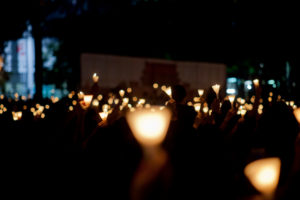
On 4 June 1989, hundreds, perhaps thousands, of peaceful pro-democracy protesters were killed when the Chinese military opened fire on them in Tiananmen Square. The following are some of our most powerful essays on the meaning of the massacre.
Reports on elections in Chad, the Dominican Republic, Iceland, India, Iran, Lithuania, Mexico, North Macedonia, Panama, South Africa, and Togo.
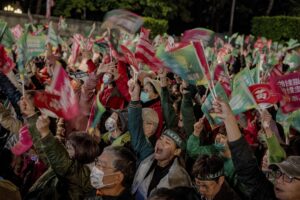
Millions of voters are casting ballots in a string of elections across the globe. At the midyear point, how well is democracy holding up?
APSA Educate, an online library for political science teaching and learning materials, now features a set of Journal of Democracy subject guides. Topics range from AI’s risks for democracy to the crisis of liberalism to the state of democracy in India and Latin America. Visit APSA Educate to learn more.
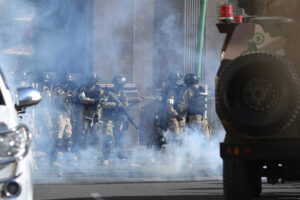
The South American country was once the most coup-prone in the world. Many thought it had closed that chapter. So why did it just suffer another attempted coup?

There is nothing inherently menacing or antidemocratic about conspiracy theories. They can even be a source of amusement. The trouble comes when political elites weaponize them to invite violence.
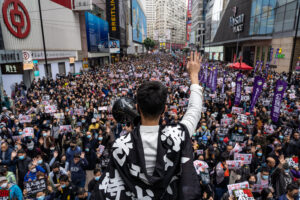
What are the true lessons from Tiananmen Square? Why does nonviolent resistance offer the best chance of challenging the CCP? Hu Ping, a leading Chinese dissident, reflects on the mistakes that were made and what it will take to succeed next time.

Don’t let the Hungarian prime minister’s globe-trotting and grandstanding fool you. Behind the posturing and attempts to steal the spotlight is a strongman who feels his position slipping.
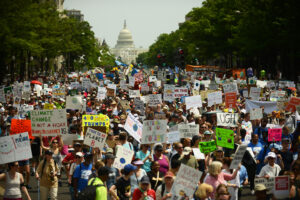
Citizens have lost faith in democracy. Misinformation, disinformation, hyperpolarization, and conspiracies, exacerbated by the modern media environment, have heightened distrust and anger. The following Journal of Democracy essays explore these dynamics and the important role ordinary citizens can play in countering democratic erosion.