
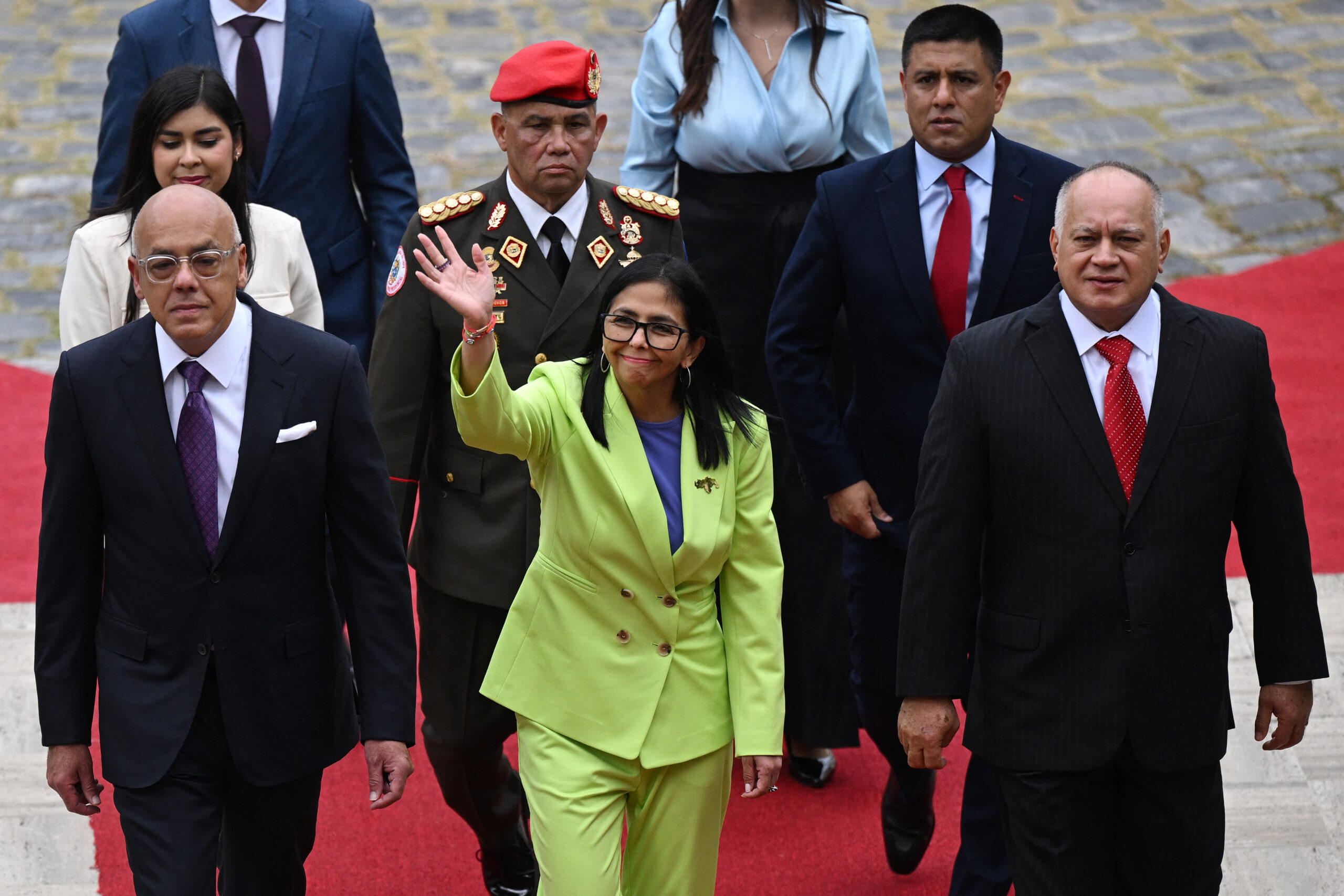
Delcy Rodríguez and her cronies aren’t going to surrender easily. They plan to adapt and undermine any attempt to restore Venezuela’s democracy. This is their strategy.
January 2026
Leer en español aquí.
I want to be clear from the outset. I am optimistic about Venezuela’s future. The imprisonment of Nicolás Maduro marks a genuine opening toward democratization. If current conditions are sustained, Venezuela is on a path toward democratic transition. The timing will be uncertain, the route will be uneven, and the process will be costly. But the direction is clear.
At the same time, Venezuela’s authoritarian system, although fundamentally disrupted, has not collapsed. Power is now exercised by a reconfigured ruling elite, most visibly represented by Maduro’s former vice-president, Delcy Rodríguez, and her brother Jorge Rodríguez, the head of the regime’s National Assembly, supported by a small circle of senior regime figures who survived Maduro’s fall.
For this reason, optimism must not slide into triumphalism. The new governing configuration still has strategic options, and its members are bent on their own political survival. Assuming otherwise would be a serious mistake with potentially irreversible consequences.
History does offer examples of regime insiders who later became transitional figures. I sincerely hope Delcy Rodríguez and Jorge Rodríguez choose that path. Personally, I would welcome and support any process that leads to a real democratic transition, even if driven by actors who once imprisoned me and many of my friends. But hope is not a strategy.
Any serious analysis must begin with a hard assumption: The post-Maduro leadership does not want to democratize. That assumption can and should be revised if their actions demonstrate otherwise. Until then, it must anchor strategic thinking.
My assessment is based not only on Venezuela’s authoritarian trajectory, but also on direct experience. I engaged with both Delcy and Jorge Rodríguez over several years in my capacity as a member of the democratic opposition, a congressman, and later as a negotiator representing the opposition coalition during the Norway-mediated talks in 2021. These interactions, together with the consistent experiences of others who have dealt with them, point to a recurring pattern. Tactical flexibility is repeatedly deployed in the service of a strategic goal: permanence in power and regime survival. From that objective flows the strategy they are now likely to pursue.
Buying Time and Trading Asymmetrically
The core logic of the post-Maduro strategy is adaptation, not surrender. Its first pillar is time. The regime is betting that every additional month without a decisive democratic breakthrough will allow it to reorganize, regain leverage, and test the limits of external pressure.
Time will be purchased through asymmetric bargaining. The regime will offer concessions that it can easily reverse, while demanding benefits that cannot easily be relinquished. The most obvious example is the selective release of political prisoners while security services, intelligence structures, and coercive legal frameworks remain intact. Prisoners can be freed today and jailed tomorrow.
In exchange, the regime will seek irreversible gains. These may include access to frozen funds, international legitimacy, sanctions relief that cannot easily be reimposed, or control over new revenue streams. Once secured, these resources are more likely to reinforce renewed authoritarian control than to advance democratization.
This pattern of asymmetric exchange has defined Venezuelan negotiations for years. There is no reason to believe it will disappear now.
Dividing the Opposition and the United States
The second pillar of the regime’s strategy is fragmentation. The regime understands that it cannot defeat a unified democratic opposition and a coherent U.S. policy at the same time. Its objective is therefore to divide both.
Domestically, it will attempt to distinguish between “moderate” and “radical” opposition actors, those who allegedly guarantee stability and those who supposedly threaten chaos. Internationally, it will seek to convince Washington that certain democratic leaders are too polarizing, too risky, or too destabilizing to be allowed real access to power.
This strategy is already visible in efforts to portray figures such as María Corina Machado, the leader of the democratic opposition and a Nobel Peace Prize laureate, as obstacles to stability rather than expressions of democratic will. The argument is familiar. Venezuela needs order, investment, and calm. Genuine political competition, the regime contends, can wait.
At the same time, the regime will seek to exploit divisions within the United States itself. Differences within U.S. policy debates over the relative priority of stability, energy security, migration, and democratization create openings that the regime can use to delay or dilute pressure. Electoral cycles, bureaucratic rivalries, and diverging assessments of the costs of sustained coercion will be treated as opportunities.
We should therefore expect increased lobbying and advocacy efforts aimed at restricting or delegitimizing the use of coercive tools against the regime, including attempts to mobilize domestic political actors and activist networks that have previously opposed U.S. pressure on Venezuela. The goal is not to defeat U.S. pressure outright, but to weaken its coherence and durability by tying Venezuela policy to domestic political costs in Washington.
Parallel efforts will target U.S. oil companies and private investors. Firms willing to engage with the regime on its terms will be framed as constructive partners. Those insisting on the rule of law and democratic guarantees will be portrayed as ideological or unreliable. The objective is to cultivate a coalition of economic actors with a vested interest in stability without democracy.
The Regime’s Five Endgames
All of this maneuvering serves one overarching purpose: remaining in power. From that objective flow five possible endgames.
First, an authoritarian capitalist model. The regime’s preferred outcome is international acceptance of a model similar to that of China or Saudi Arabia. Large-scale foreign investment, particularly in energy, would coexist with the absence of meaningful political freedom. For years, Venezuelan authorities attempted to sell the world a Cuban-style model that combined economic stagnation with ideological rigidity. That approach failed.
Now they appear willing to sacrifice ideological orthodoxy while preserving political control. A milder version of this scenario would be competitive authoritarianism, characterized by limited pluralism, controlled elections, and carefully managed opposition participation that never genuinely threatens power.
Second, waiting out the United States. A second strategy is endurance. The regime is betting that U.S. capacity or willingness to exert coercive pressure will decline over time, whether due to new global crises, domestic political shifts, or strategic recalculations. The longer the process drags on, the greater the likelihood that Venezuela will slide down the list of U.S. priorities.
So far, only credible coercive pressure, rather than diplomatic engagement or economic incentives, has produced meaningful concessions. The regime’s calculation is that this pressure will eventually weaken.
Third, bending the electoral field. A third path is controlled electoralism. The regime will argue that genuinely free elections would produce instability, threaten investment, or provoke renewed conflict. On this basis, it will seek to exclude or neutralize the strongest democratic actors while allowing elections that are formally competitive but substantively rigged.
Partial economic recovery driven by oil revenues and foreign investment would then be used to legitimize the outcome, even if the transition falls far short of democracy.
Fourth, producing a nondemocratic successor. Finally, the regime may accept losing office, but only to ensure that whoever replaces it does not dismantle the authoritarian system. In this scenario, power changes hands, yet the rules of the game remain fundamentally unchanged. Democratic transition becomes semantic rather than substantive. This is a fail-safe option if the other endgames fail.
Fifth, promoting a genuine democratic transition. This option would emerge only as a result of sustained pressure from both the United States and the Venezuelan democratic opposition, combined with real negotiations involving both actors. The United States is the only external player with the credible coercive capacity and the international standing to offer enforceable guarantees, including sanctions relief, international legal assurances, and other incentives that matter to regime elites operating beyond Venezuela’s borders. The democratic opposition, for its part, is essential to negotiating domestic rules of engagement, political guarantees for regime officials willing to participate peacefully in a democratic system, and the reconstruction of a national social contract that allows political differences to be managed without violence. Until there is clear evidence to the contrary, this should be understood as the regime’s least preferred option, one it would pursue only under sustained and coordinated pressure.
Why Optimism Is Still Justified
Despite the risks, pessimism is not warranted. The current moment is structurally different from previous failed transitions. The regime is weaker, the democratic opposition is more unified, and international leverage is more credible.
Three conditions remain decisive.
First, the United States must sustain not only its capacity, but also its explicit commitment to a real democratic transition, not merely stabilization or economic normalization. Phased approaches that prioritize order over political change risk entrenching authoritarian adaptation.
Second, the democratic opposition must remain united, disciplined, and electorally competitive, while also building credible agreements with other political actors, including elements of the military and members of the regime, to ensure a stable transition.
Third, the regime must remain unable to neutralize external coercion. That would require significant military deterrence or robust backing from actors such as China or Russia, both of which appear unlikely to intervene in the short term.
The greatest danger now is misreading the moment. Underestimating the regime’s adaptive capacity, or confusing economic opening with political transition, could produce an outcome that looks like success but functions as failure.
Venezuela’s history, and that of many other countries, offers ample warnings. Elections can be won and power still lost. Transitions can begin and later be reversed. Openings can be exploited by authoritarian return.
Optimism and vigilance are not contradictory. They are complementary, and both are indispensable at this decisive juncture. What ultimately matters is whether Venezuelans and international stakeholders converge around a shared objective: a real democratic transition with free and fair elections, no political prisoners, and genuine political competition.
Freddy Guevara is a former vice-president of Venezuela’s National Assembly and a former political prisoner. He is currently a Democracy Fellow at Harvard University’s Ash Center for Democratic Governance and Innovation.
Copyright © 2026 National Endowment for Democracy
Image credit: Federico PARRA / AFP via Getty Images
|
FURTHER READING |
||
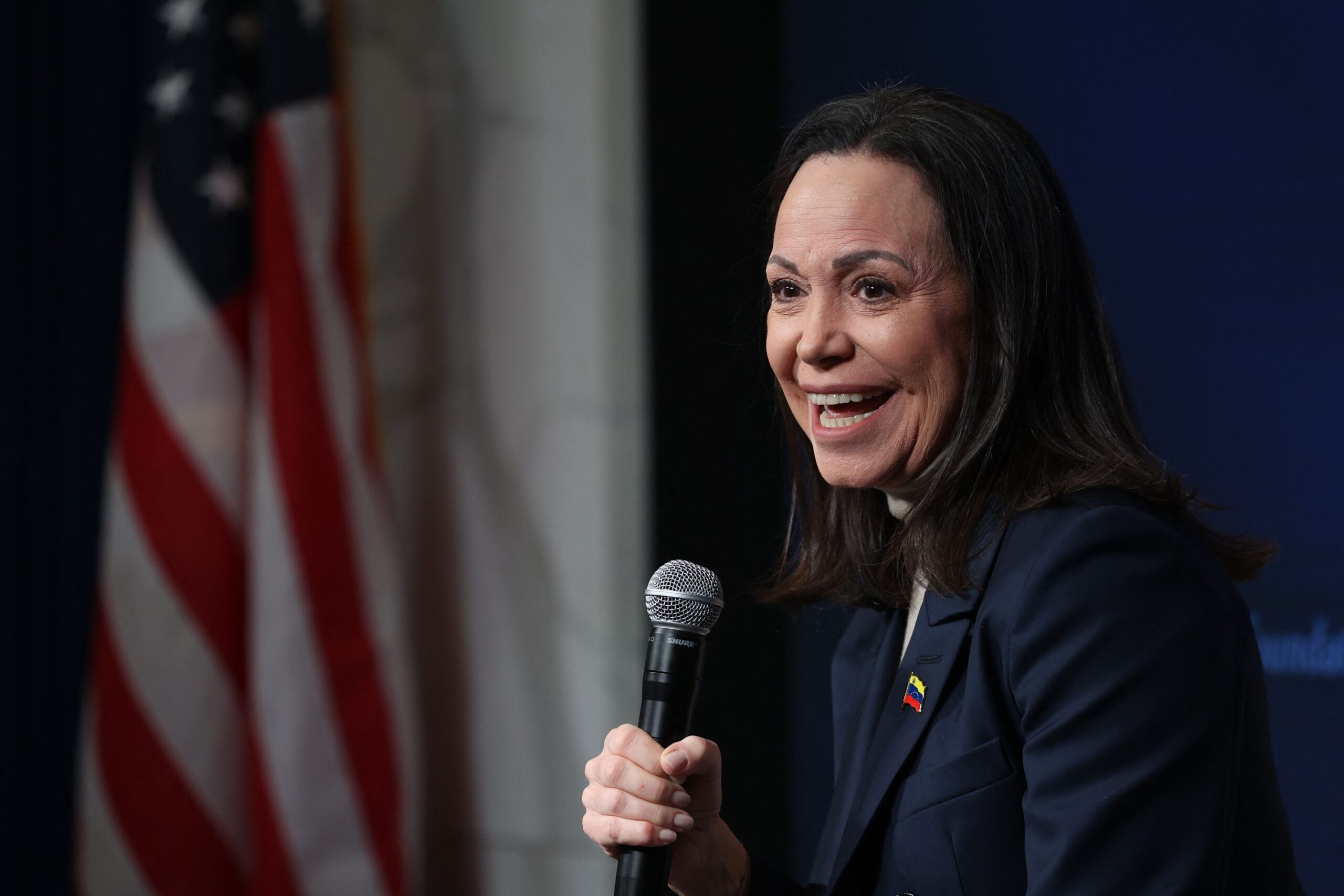
How Machado Can Steer Venezuela Toward DemocracyWhether the capture of Nicolás Maduro leads to democracy depends on Donald Trump — and María Corina Machado’s ability to make a democratic future the only attractive choice. |
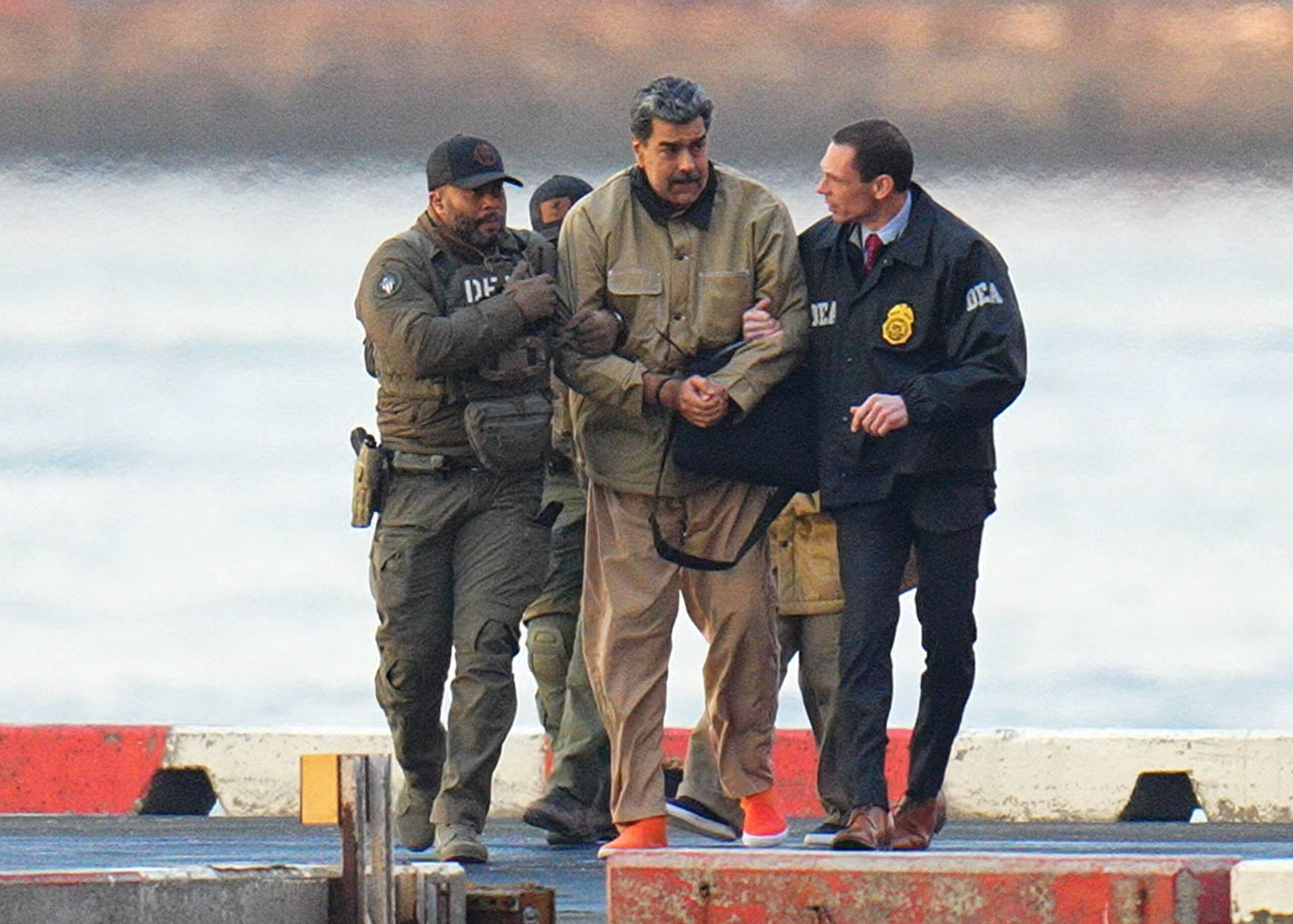
Why the United States Shouldn’t Run Venezuela |
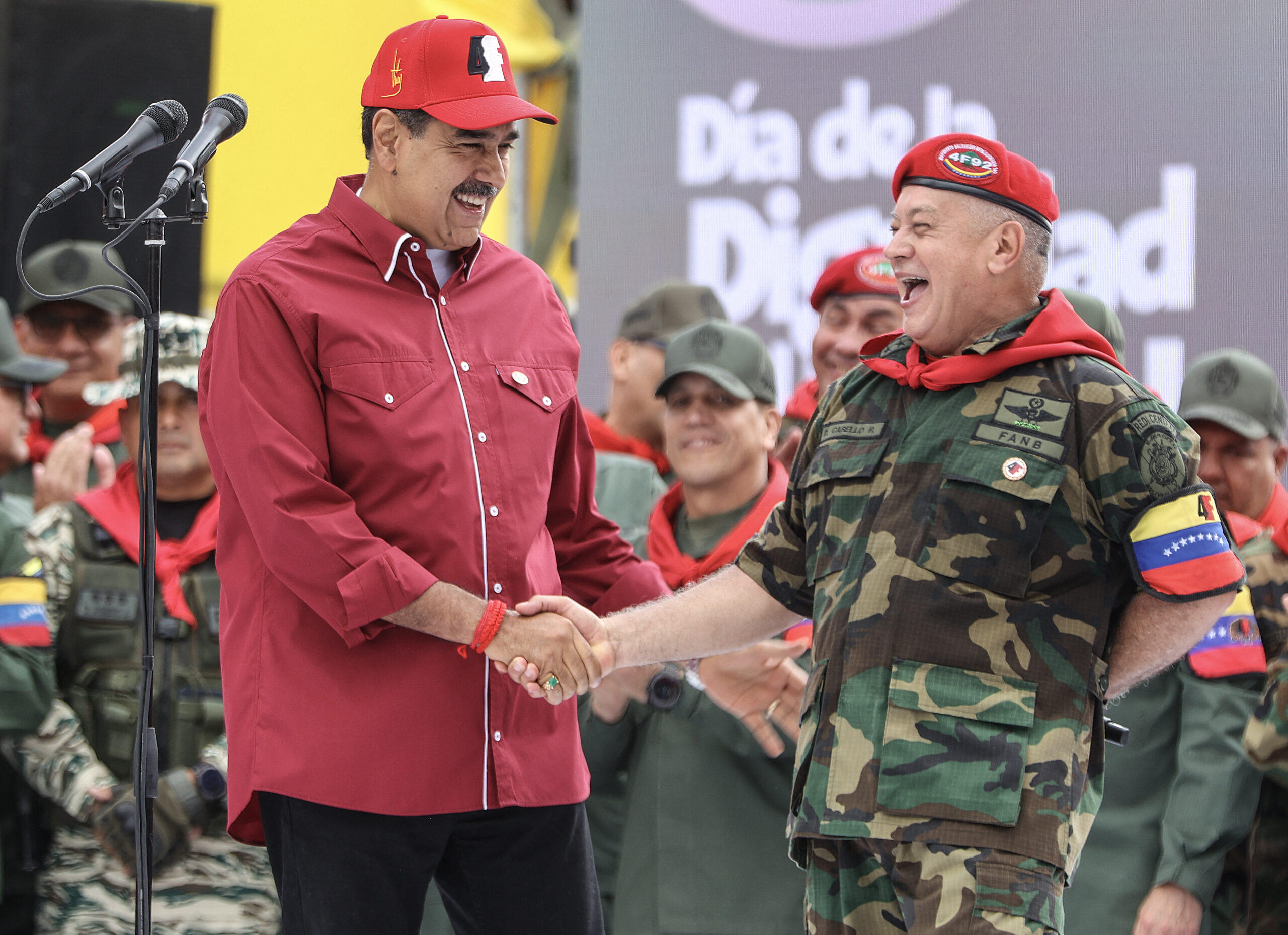
How Venezuela Became a Gangster StateNicolás Maduro is a mafia boss, not a president, and the Venezuelan government is now a criminal enterprise with the power of a state. It poses a threat to democracies everywhere. |