
Read the full essay here.
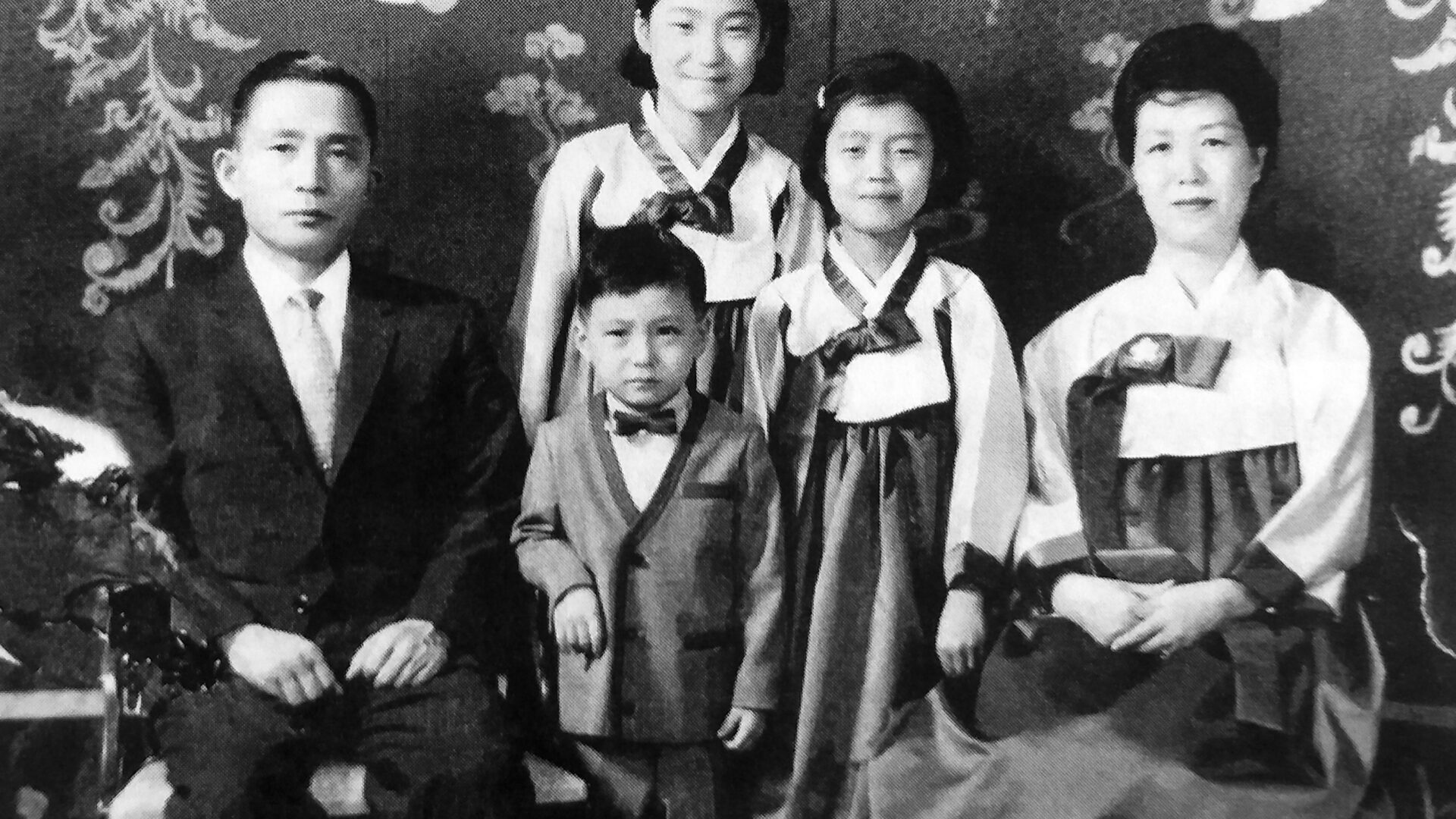
This essay argues that a notable but understudied feature of democracy is the election of former dictators and their children. These “dictocrats” and “dictobrats” have won the presidency or prime minister’s office in approximately one-fifth of all new democracies since the mid-1970s. To explain their surprising electoral success, the essay explores the tension between “authoritarian inheritance,” or the electoral benefits of roots in dictatorship, and “authoritarian baggage,” or the liabilities of such roots. Unlike authoritarian successor parties, dictocrats and dictobrats cannot credibly distance themselves from the past, leaving them little choice but to openly embrace it. Their appeal rests on nostalgia for a mythical “golden age” of stability, prosperity, or other achievements—real or imagined—associated with past dictatorships. Democracies must respond by debunking such myths about the past and addressing the grievances that contribute to authoritarian nostalgia in the present.
Image Credit: Universal History Archive/Universal Images Group via Getty Images