
Read the full essay here.
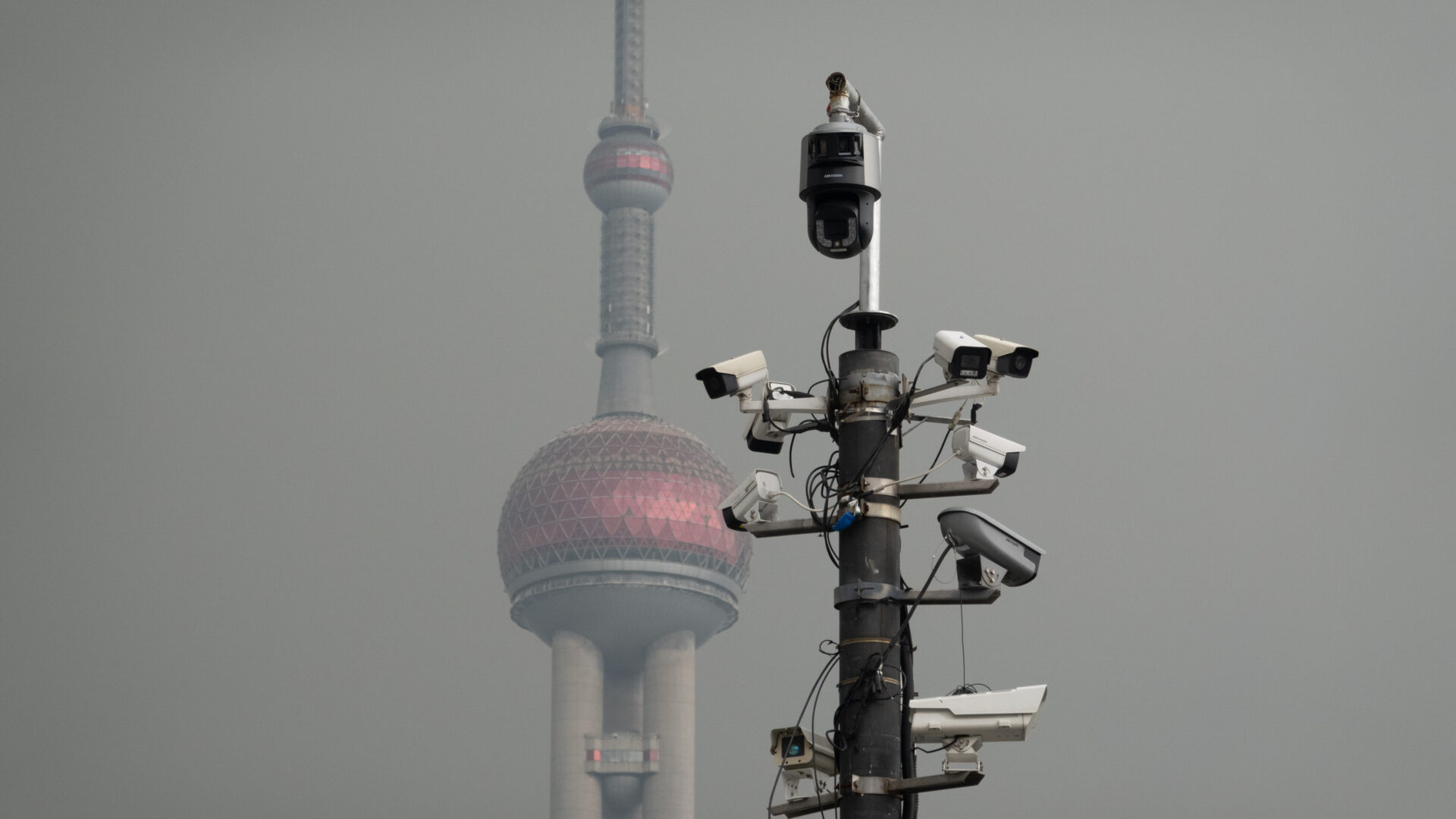
AI is often portrayed as a frictionless accelerator of authoritarian control. In reality, AI systems force rulers into an unavoidable calibration dilemma. Any predictive system requires a decision threshold: lowering it creates backlash through collateral repression (false positives), while raising it creates blind spots for genuine threats (false negatives). This structural volatility produces “threshold whiplash”—cycles of tightening and abrupt loosening—exemplified by China. Far from a silver bullet, AI bureaucratizes uncertainty, compelling autocrats to choose which vulnerability to expose. Prodemocracy actors can exploit these vulnerabilities by demystifying algorithmic power, establishing protective norms, and challenging the “panopticon bluff” through strategic resistance.
Image credit: Costfoto/NurPhoto via Getty Images