
Read the full essay here.
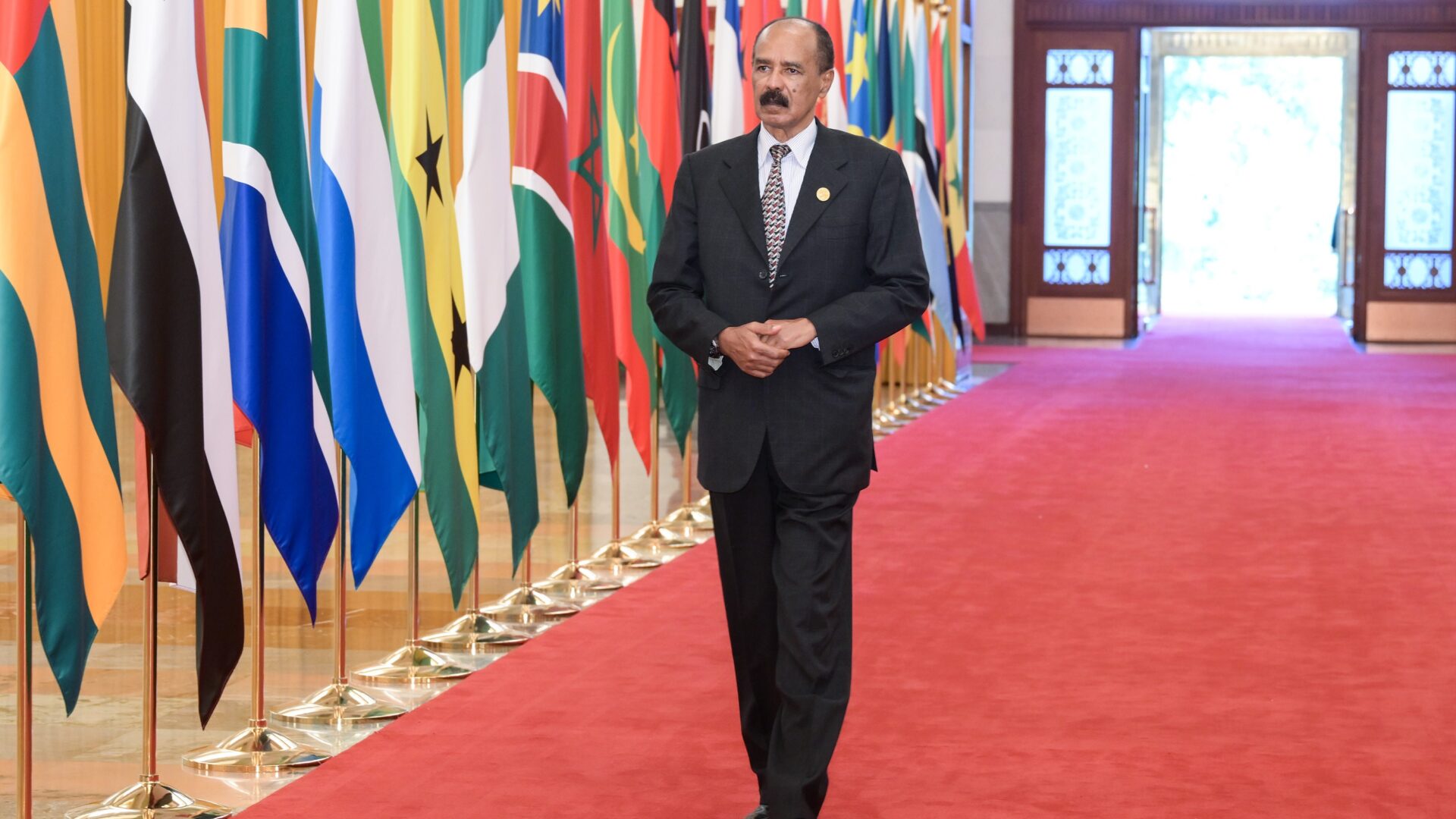
Against the backdrop of a 2026 war scare between Eritrea and Ethiopia, this essay traces the roots of Eritrea’s authoritarianism and insists that it was not inevitable. President Isaias Afwerki, in power since 1991, has buried the country’s only ratified constitution and rules by personal fiat, unchecked by parliament, courts, free press, or elections. Correcting the common claim that Eritrea has never held a vote, the author—an anthropologist who did fieldwork there during the transition—recovers the democratic experiments the Eritrean People’s Liberation Front briefly attempted after independence and then methodically abandoned. The absence of domestic accountability, he argues, is not merely a national tragedy but a structural driver of regional instability: A regime that legitimizes itself through permanent external threat cannot allow that threat to recede. So long as one man can commit Eritrea to war without oversight, he concludes, conflict in the Horn of Africa will recur not by accident but by design.
Image Credit: Li He/Xinhua via Getty Images